A Cosmic Dance: SpaceX Rocket on Collision Course with the Moon
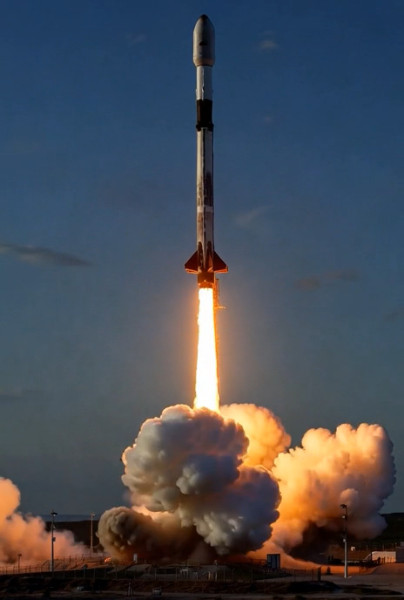
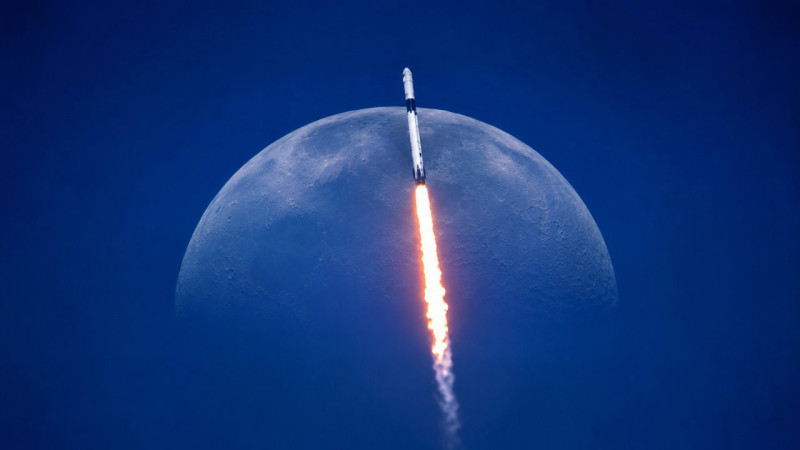
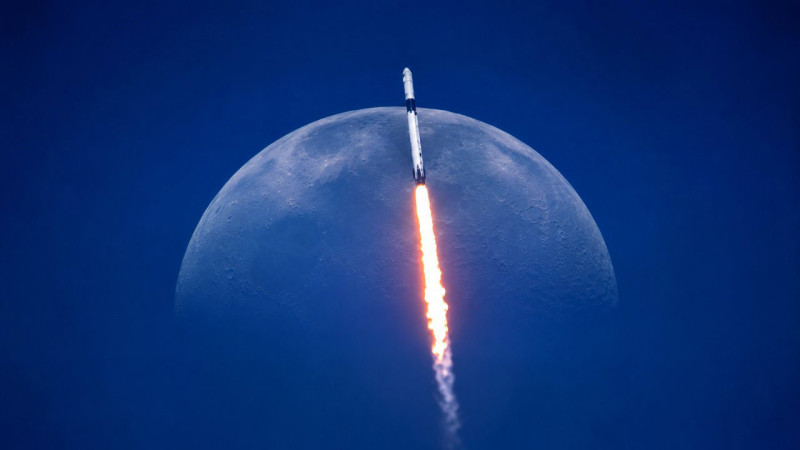
In an unprecedented cosmic ballet, a SpaceX rocket is set to perform a dramatic pirouette, culminating in a high-speed collision with the moon. At 9:12 AM this morning, the world watches as an 8,800-pound remnant of a Falcon 9 rocket speeds towards the lunar surface at a staggering 5,400 miles per hour.
The Unlikely Protagonist: The Wayward SpaceX Rocket
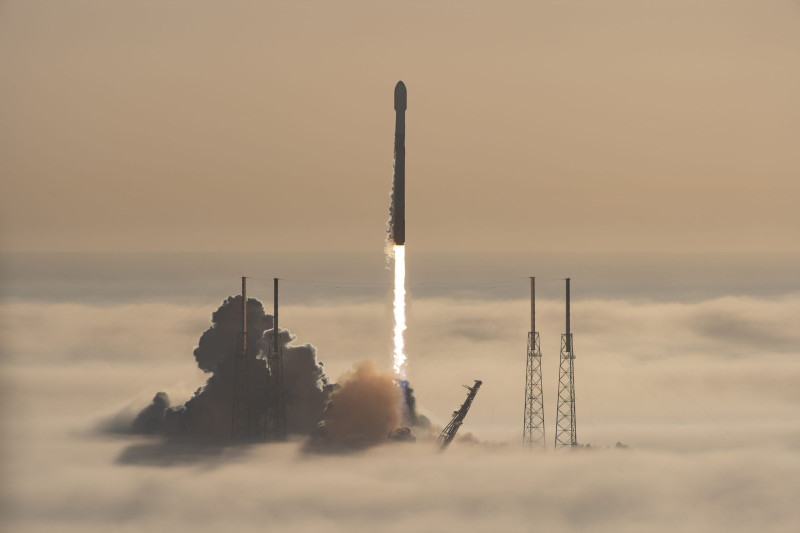
A discarded SpaceX rocket booster, launched in January 2025, is now on an unexpected journey to meet the moon. After successfully carrying two private lunar landers, the second stage of the Falcon 9 has been wandering in space, waiting for its inevitable lunar impact. This high-speed collision is an extraordinary example of the unpredictable nature of space travel and the potential consequences of leaving remnants of missions in orbit.
This SpaceX rocket was initially part of a mission to carry two private lunar landers. But now, with no fuel left, and no way to control its trajectory, it will collide with the lunar surface. The rocket's final act is a testament to the unpredictability of space debris and the long-term effects of orbital missions, raising questions about the future of space exploration and the responsibility of companies like SpaceX in managing their debris.
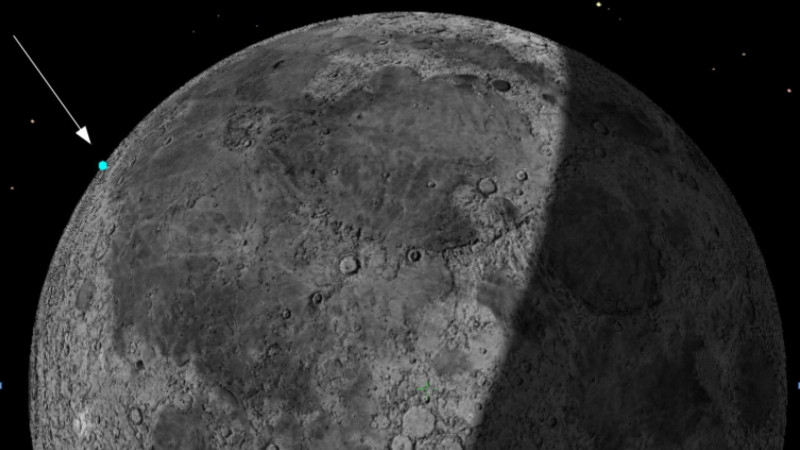
The rocket's impact will take place near the crater Einstein on the western lunar limb, a region that faces away from Earth. This remote location adds to the intrigue of the event, as it will be out of direct view for most Earth-based observers.
The Science Behind the Crash: Predictions and Precautions
Bill Gray, an expert in celestial mechanics, estimates that the SpaceX rocket will leave an approximately 60-foot crater upon impact. The collision, however, will not directly harm any ongoing lunar missions, as NASA and other space agencies have taken precautions to safeguard their operations. This impact highlights the delicate balance between the risks and rewards of space exploration.
The SpaceX rocket will create a fresh crater on the lunar surface, adding to the existing space debris and potentially disrupting future missions. This impact is a reminder of the long-term effects of space missions and the need for more sustainable practices in space exploration.
NASA, along with other space agencies, has been monitoring the situation closely. The agency's expertise in orbital mechanics and space debris management is crucial in predicting the outcome and ensuring the safety of ongoing missions.
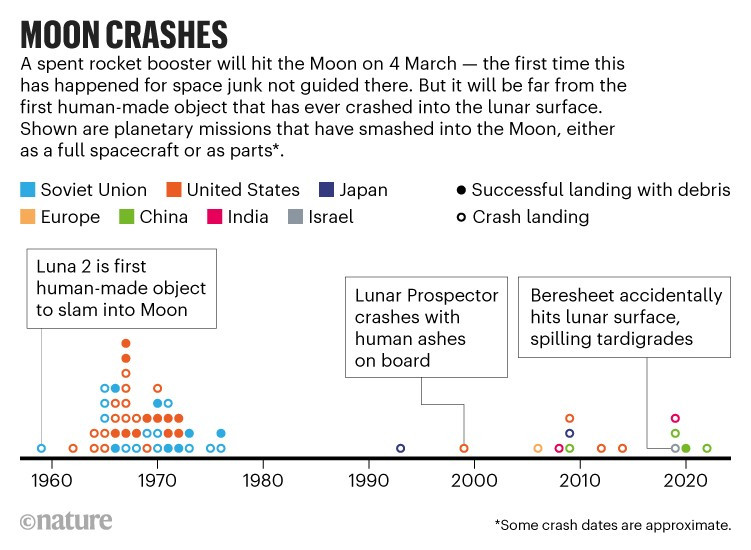
The agency’s experience with previous lunar impacts, particularly the 2022 collision of the Chinese Long March 3C upper stage, provides valuable insights into the potential consequences of such events. The Long March 3C upper stage, part of the 2014 Chang'e-5 mission, struck the far side of the moon, leaving a crater and raising concerns about the growing problem of space debris.
NASA’s role in monitoring the SpaceX rocket’s impact underscores the importance of collaboration and vigilance in space exploration. According to NASA, the impact will have a minimal effect on the lunar surface, but the agency remains vigilant in its observations and analysis of space debris.
“This event underscores the importance of sustainable space practices and the need for continued monitoring of space debris” — NASA spokesperson
The Future of Lunar Exploration: Learning from the Impact
The impending SpaceX rocket crash serves as a wake-up call for the future of lunar exploration. As private companies and space agencies plan more missions to the moon, the need for responsible space practices becomes increasingly important. The upcoming impact offers a unique opportunity to study the effects of high-speed collisions on the lunar surface and to refine our understanding of space debris.
The SpaceX rocket crash will leave a lasting mark on the moon, a testament to human endeavor and the unpredictable nature of space travel. But beyond the spectacle, it serves as a reminder of the challenges and responsibilities that come with exploring the cosmos. As we continue to push the boundaries of space exploration, it is crucial to learn from these events and strive for a more sustainable and responsible approach to the final frontier.
But as we wait for the SpaceX rocket to hit the moon, one cannot help but wonder: in a universe filled with endless possibilities, what other cosmic surprises await us on the horizon?
How does this story make you feel?
 Up next · ScienceSpaceX Rocket's Unintended Lunar Impact: What Happened?