SpaceX Rocket's Unintended Lunar Impact: What Happened?
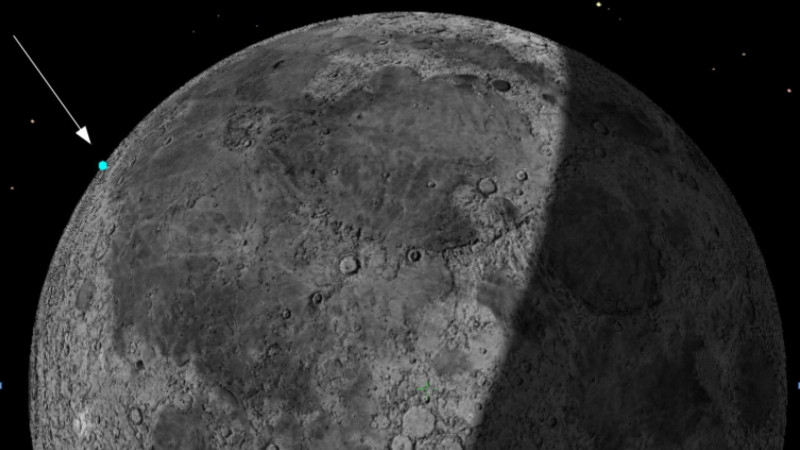
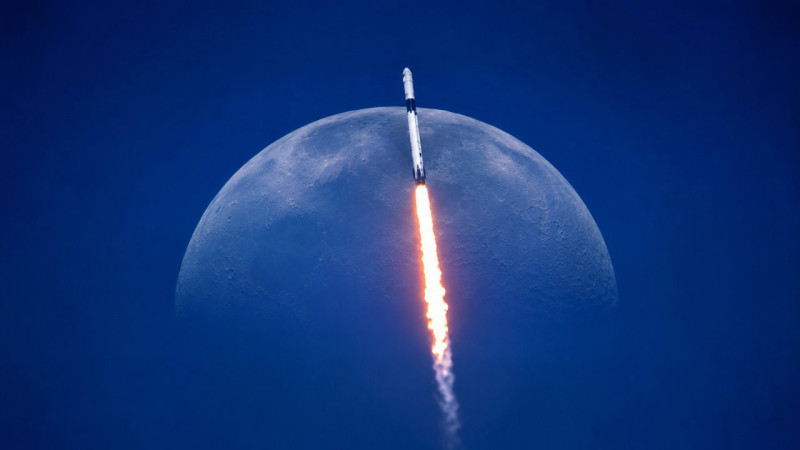
Early on August 5, 2026, a SpaceX rocket is believed to have smashed into the moon, marking an unexpected and dramatic lunar event. The second stage of a Falcon 9 rocket, which had previously launched two private lunar landers in 2025, had been on a collision course with the moon. This event, though unintentional, has certainly got everyone talking.
Unintended Lunar Collision: The Details
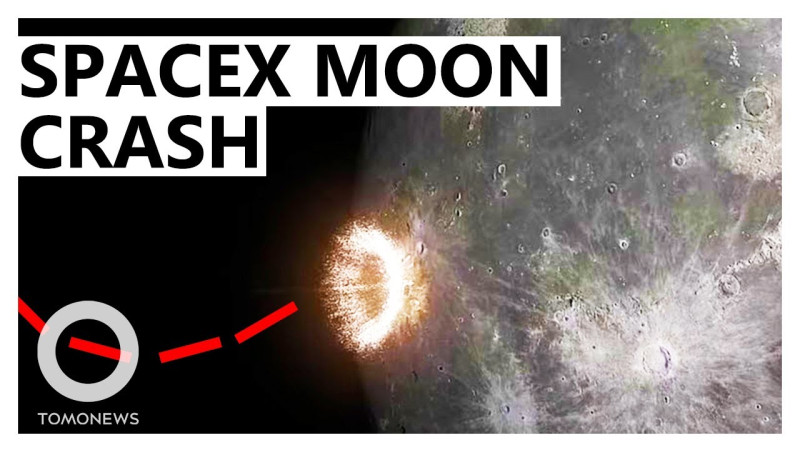
So, what exactly happened? The Falcon 9 rocket, weighing approximately four tons, was traveling at a staggering 5,400 miles per hour – that’s seven times the speed of sound – when it collided with the lunar surface. The impact site is believed to be near the Einstein Crater, on the part of the moon that is visible from Earth.
Space-tracking expert, Bill Gray, predicted the impact speed and location, noting that it would leave a fresh crater on the lunar surface. The crash site is actually on the part of the moon that receives daylight and is visible from Earth.
The Unlikely Journey of a Rocket Stage
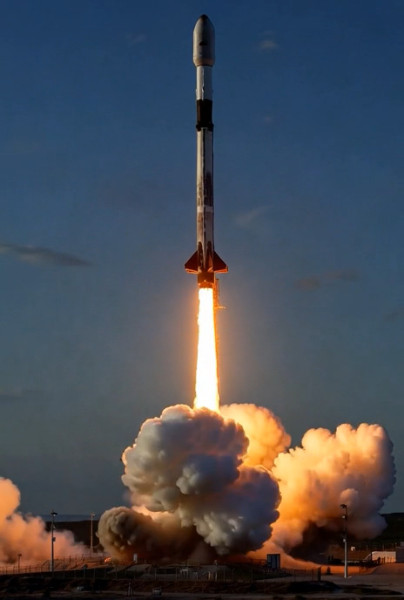
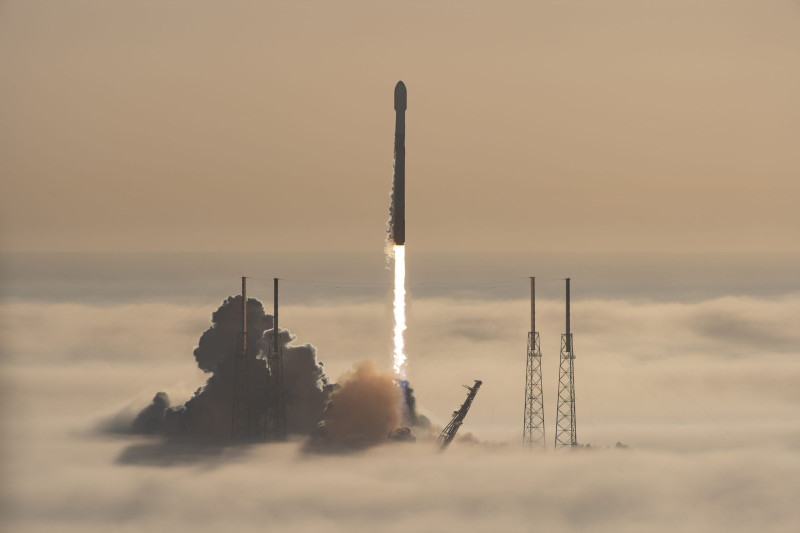
Look, SpaceX regularly launches rockets to space. But this time, things didn’t go as planned. In 2025, a Falcon 9 rocket launched a pair of lunar landers, and the upper stage of the rocket was left to float through space. What happens next? Well, it didn’t just drift off into the void. Instead, it ended up on a collision course with the moon.
Here's the thing: The discarded upper stage of the Falcon 9 rocket had been floating through space, and it was on a trajectory that would eventually take it to the moon – but it wasn't supposed to. This was a piece of space junk. It was a part of a rocket that had done its job and was left to drift. It wasn't on a kamikaze mission, but it was definitely on a one-way trip to the moon. And then — get this — it crashed into the moon, creating an impact crater.
The Science Behind the Crash
To understand the impact of this moon crash, it’s crucial to remember that the moon lacks an atmosphere. This means there’s no air resistance to slow down the rocket, making the collision more dramatic. Picture this: a four-ton object hitting the lunar surface at 5,400 miles per hour. It’s like a high-speed car crash, but on a cosmic scale. And, it's not the first time something’s crashed into the lunar surface, but it’s certainly a notable event.
But, here’s the twist: NASA isn’t directly involved in this crash, but they’re monitoring it. The space agency is keeping an eye on the impact and its potential effects on future lunar missions. And get this: The European Space Agency is also involved, as it had been monitoring the Falcon 9 rocket since its launch in 2025.
Here’s another key point: This is the first known instance of a large piece of space junk hitting the moon. Most space debris burns up in Earth’s atmosphere, but there’s no atmosphere on the moon. So, this collision gave scientists a unique opportunity to study the effects of a high-velocity impact on the lunar surface.
And then, there’s the human element. This Falcon 9 rocket was part of a mission to send private landers to the moon. These landers were designed to explore the lunar surface and send back data to Earth. But the upper stage of the rocket, which was supposed to be discarded, ended up on a trajectory that would take it to the moon. It was an unintentional collision, but it’s a reminder of the challenges of space exploration. As SpaceX continues to push the boundaries of space travel, it’s crucial to remember that not everything goes as planned.
So what is next, you might ask? The SpaceX rocket’s unintended moon impact is a reminder of the challenges and uncertainties of space exploration. But it’s also an opportunity to learn and improve. The science behind this moon crash will help us understand the effects of high-velocity impacts on the lunar surface, which could be crucial for future missions. And, as SpaceX continues to innovate and push the boundaries of space travel, who knows what the future holds? One thing's for sure: space exploration is never boring.
How does this story make you feel?
 Up next · ScienceSpaceX Rocket Crashes into the Moon: Lunar Impact of Unprecedented Proportions