SpaceX Rocket Crashes into the Moon: Lunar Impact of Unprecedented Proportions
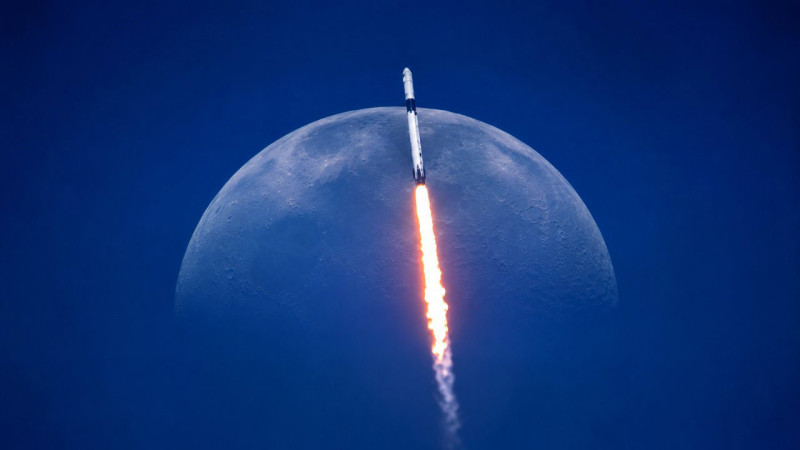
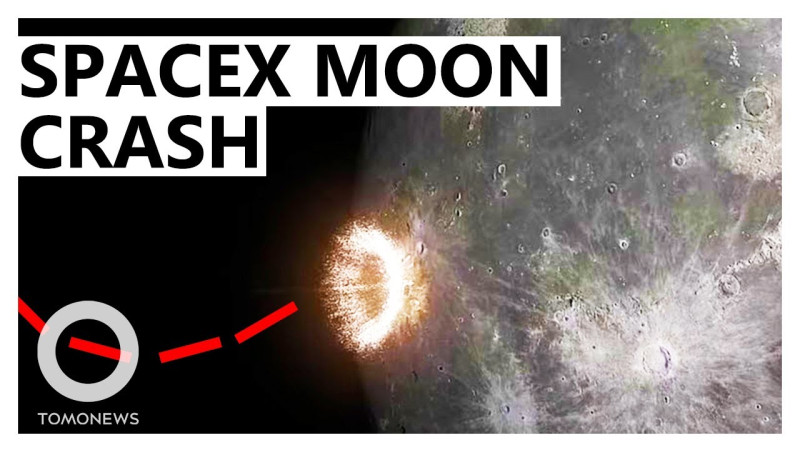
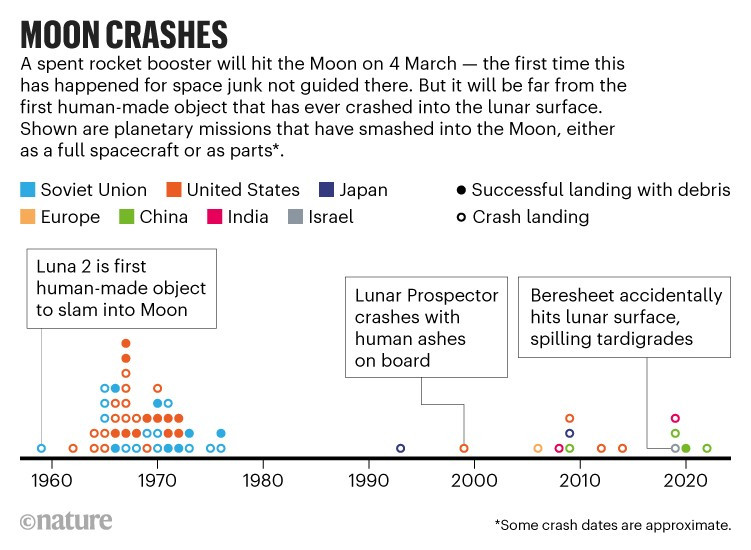
The moon, a silent sentinel in the night sky, has just felt the fury of human ingenuity. A SpaceX rocket has slammed into its surface at a staggering 5,400 miles per hour, leaving scientists and space enthusiasts alike with a mix of awe and concern. This lunar collision was not a planned mission, but an accidental impact of a SpaceX rocket stage from a previous launch, marking a dramatic turn in space exploration and its unintended consequences.
Unplanned Encounter: The SpaceX Rocket's Path to the Moon
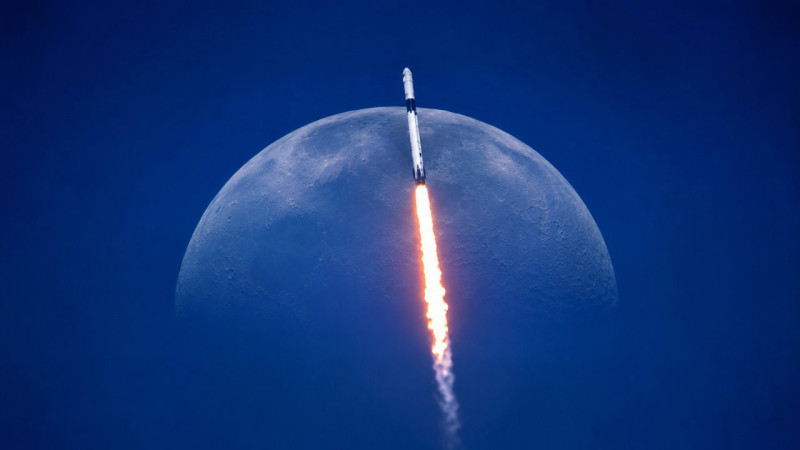
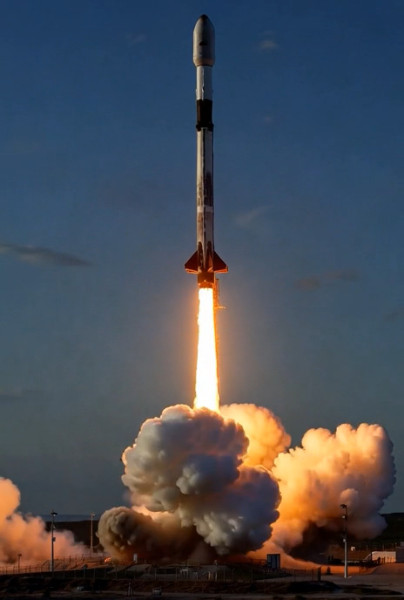
SpaceX is known for its unprecedented advances in space travel, but this time, the company finds itself in uncharted territory. The SpaceX rocket booster, part of the Falcon 9 series, was launched on a mission to send two private landers to the moon last year. After its primary mission, the booster was left to drift through space, eventually falling into the moon's gravitational pull.
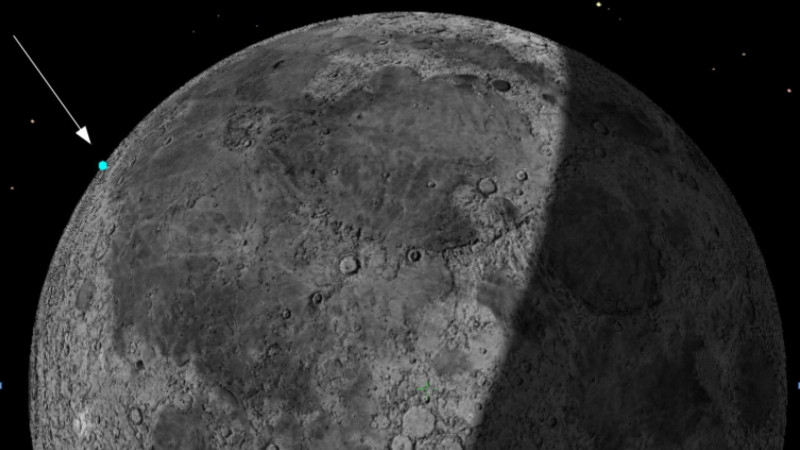
The rocket’s impact is expected to create a crater, one that will serve as a stark reminder of the debris that orbits our celestial neighbor. The collision occurred near the Einstein Crater, a site that receives ample daylight, making it visible to telescopes in the Americas. Scientists are now monitoring the impact site, hoping to learn more about the lunar surface and the dynamics of high-velocity collisions.
NASA, ever watchful, has been observing the situation closely. The agency will use this event to gather data that could protect future lunar astronauts. As humanity prepares to return to the moon, understanding the risks posed by space debris is crucial. This SpaceX rocket crash offers a unique opportunity to study the effects of high-velocity impacts on the lunar surface and to prepare for potential hazards that future missions might encounter.
The SpaceX rocket was traveling at 5,400 miles per hour, about seven times the speed of sound. The sheer velocity of the impact underscores the dangerous nature of space debris and the importance of responsible space travel.
Lunar Impact: A New Frontier in Space Debris Studies
This moon crash is a stark reminder of the growing problem of space debris. As more rockets are launched into space, the risk of collisions increases. The SpaceX moon crash highlights the need for better management of space debris, especially as we look to expand our presence in space.
While the SpaceX rocket collision was unintended, scientists are seizing the opportunity to study the impact. The creation of a crater provides a natural experiment, one that could yield valuable insights into the geology of the moon and the behavior of space debris. Telescopes are trained on the impact site, gathering data that could help in future lunar missions.
Think again. This SpaceX rocket crash is not just about a piece of debris hitting the moon. This mission into the unknown holds the potential to revolutionize our understanding of lunar geology and the risks of space travel. Scientists are eagerly awaiting the data, hoping to uncover secrets that could shape the future of space exploration.
This moon crash is a testament to the unpredictable nature of space exploration. The impact of the SpaceX rocket could lead to new discoveries, but it also serves as a warning about the dangers of uncontrolled space debris. As we continue to push the boundaries of space travel, we must be mindful of the challenges that lie ahead.
Lunar Impact: A New Frontier in Space Debris Studies
The SpaceX rocket crash on the moon raises a crucial question: How can we ensure that future space missions are safer and more controlled? The impact highlights the need for international cooperation and stricter regulations on space debris. As we venture deeper into space exploration, it is essential to address the risks posed by debris and ensure that our celestial explorations are sustainable.
The reality is, we have to take into account the possibility of uncontrolled space debris, and the moon crash of the SpaceX rocket is a stark reminder of that. We can't ignore this issue or it will become a significant threat to future space missions. It's time to act and mitigate the risks now, while we still can.
How will scientists and engineers harness the data from this moon crash to make future missions safer? How will this impact our understanding of the lunar surface and the challenges of space travel? The answers lie in the data that telescopes are now collecting, offering a glimpse into a future where space exploration is safer, more controlled, and informed by the lessons of the SpaceX rocket crash. But, if the SpaceX rocket crash has taught us anything, it's that the sky is no longer the limit. We're now looking at the stars, and the risks that come with it. The question remains: Are we ready to face the unknown?
How does this story make you feel?
 Up next · ScienceSpaceX Rocket Crashes Into the Moon: A Lunar Impact Like No Other