Russia's Sudden Departure from APEC Shifts Geopolitical Landscapes
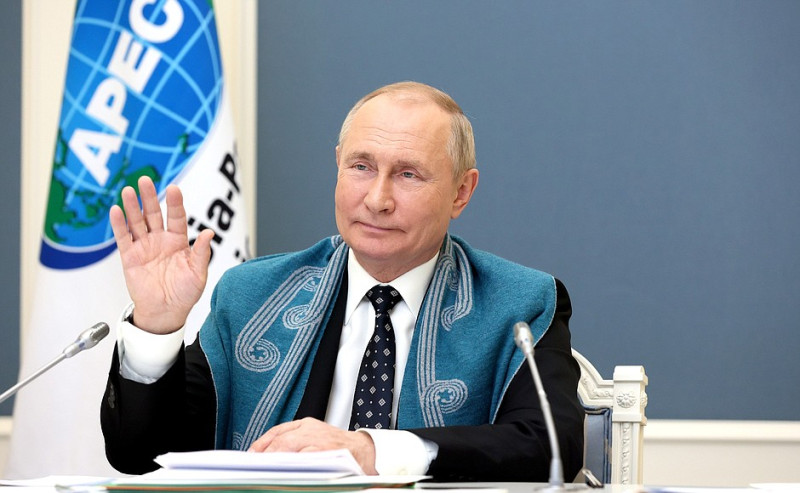
In a move that has sent ripples through the international community, Russia has announced its exit from the Asia-Pacific Economic Co-operation (APEC), an organization known for fostering economic cooperation and trade among its member countries. The decision, made by Russian President Vladimir Putin, has sparked debates about the future of regional stability and economic dynamics in the Asia-Pacific region.
The Implications of Russia's Exit on Global Trade
Russia's departure from APEC is a significant geopolitical shift, with far-reaching implications for global trade and economic cooperation. The bloc, which includes key economic players like the United States, Japan, and South Korea, has long been a critical platform for facilitating trade and investment in the Asia-Pacific region. Russia's exit is predicted to lead to a reconfiguration of global trade dynamics, particularly in the Asia-Pacific, as member countries reassess their strategic alignments and trade agreements.
Russia's Strategic Realignment and Future Partnerships
Russia's decision to leave APEC seems to be driven by a desire to focus on bilateral agreements and regional alliances that better serve its national interests. Speaking in a televised address, President Putin emphasized the need for a more flexible and independent foreign policy, stating, "Our participation in APEC has become less beneficial in the current geopolitical climate, and we believe it is time to explore alternative avenues for economic growth."
Russia's exit has raised concerns among other APEC members, particularly China, which has highlighted the potential disruption to regional trade and investment agreements. China's Belt and Road Initiative, a key component of its economic strategy, relies heavily on APEC for trade facilitation. “Russia’s exit will undoubtedly create challenges for our regional initiatives,” a spokesperson for the Chinese Foreign Ministry said, underscoring the significance of Russia's departure.
APEC's Future and Regional Economic Co-operation
One high-ranking APEC official responded to the news by stating, "While we understand Russia's strategic decisions, we deeply regret the potential loss of a key partner. We believe in the strength of our collective efforts and remain open to future collaborations." The official’s remarks underscore the significance of Russia’s departure and the potential for renewed diplomatic efforts. The future of APEC appears to hinge on how member countries adapt to this sudden withdrawal and whether the bloc can maintain its relevance in a rapidly changing geopolitical landscape.
"Russia’s exit from APEC is a significant geopolitical shift that will have far-reaching implications for global trade and economic cooperation. This move underscores the importance of regional alliances and the need for countries to adapt to changing dynamics in order to maintain economic stability and growth.
The Asian Development Bank has issued a report indicating that the exit could lead to a shift in investment flows, potentially benefiting other regional blocs. The bank’s analysis suggests that countries like India and ASEAN members might see increased investment opportunities as a result. As the international community watches closely, the coming months will be crucial in determining the long-term effects of this decision.
One expert on regional economic cooperation, speaking on the condition of anonymity, noted, "Russia’s decision is a strategic move that will undoubtedly reshape the economic landscape of the Asia-Pacific region. The future of APEC will depend on how member countries respond to this challenge and whether they can forge new alliances to maintain economic stability."
How does this story make you feel?
 Up next · PoliticsSimpsons Blackout Rumors Intensify Ahead of FEMA Emergency Test