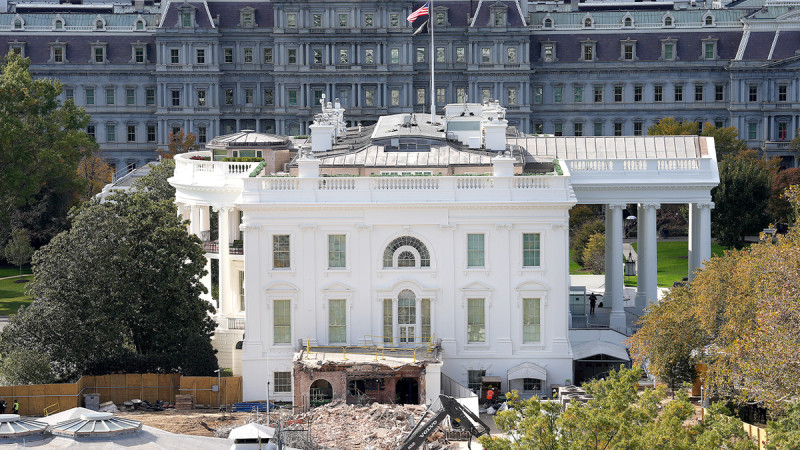
Appeals Court Halts Trump's White House Ballroom Construction
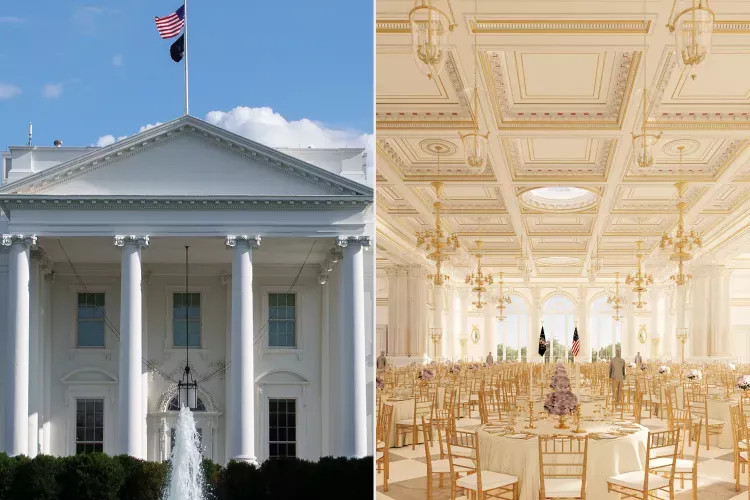
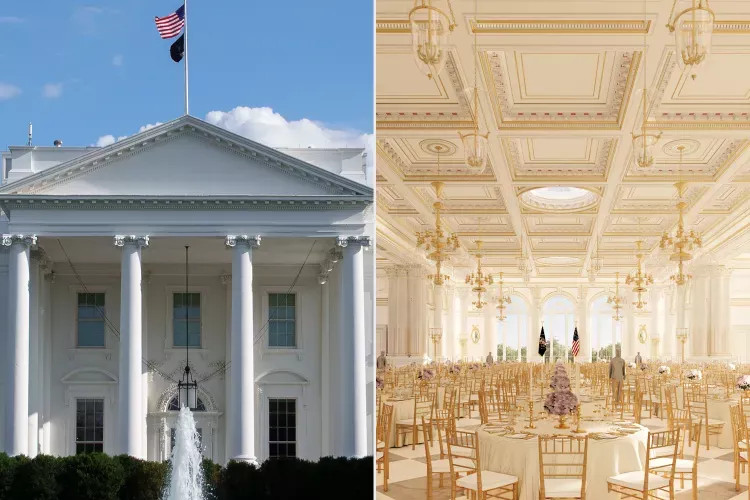
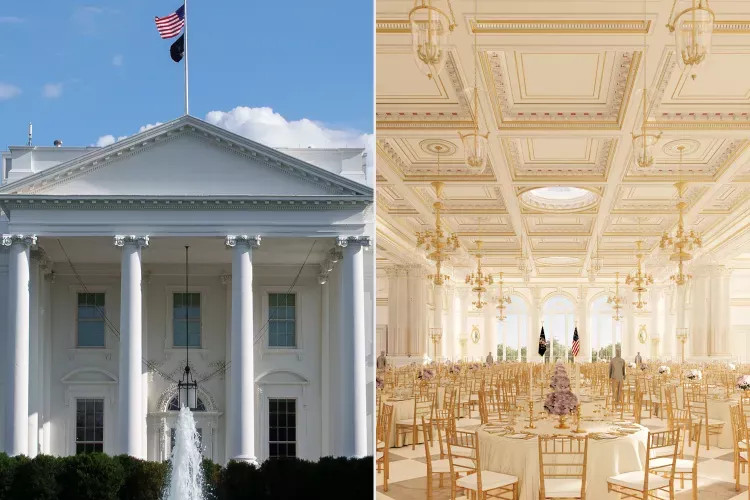
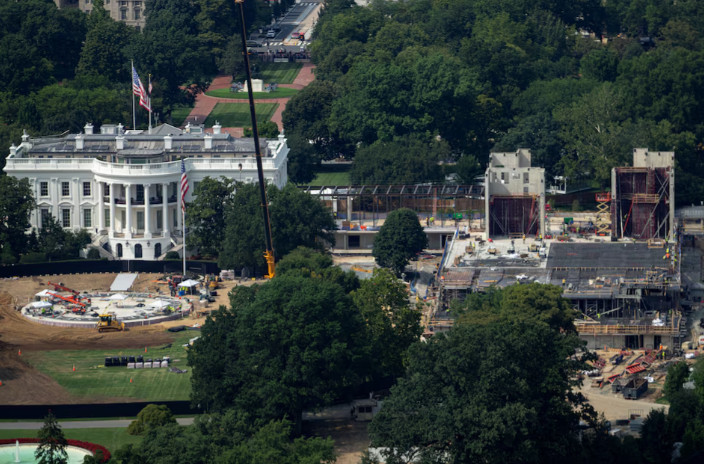
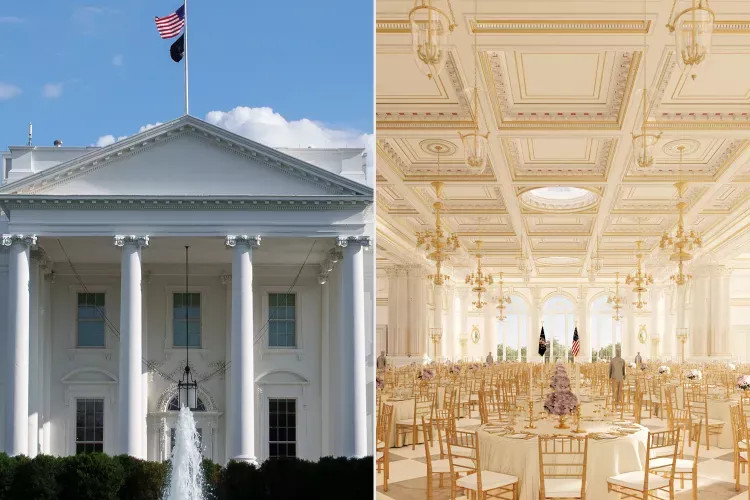
The Trump administration's ambitious plans to build a $400 million White House ballroom have hit a significant roadblock, as a federal appeals court recently ordered a halt to the construction that was already underway.
Legal Ruling: Construction Must Stop Due to Lack of Congressional Approval
The appeals court's decision comes as a result of a legal challenge that asserted the Trump administration lacked the necessary congressional approval to proceed with the project. The court ruled that the construction must stop because Congress has not authorized the project. This decision underscores the legal and political complexities surrounding the renovation and expansion of the White House ballroom.
The court's ruling is a decisive blow to the Trump administration, which has been pushing for the construction of a new ballroom on the White House grounds. According to available reports, the administration has argued that the project is a necessary renovation to enhance the White House's event spaces, but critics contend that the project has been poorly managed and lacks proper oversight.
Critics of the project had argued from the outset this was a controversial and unprecedented decision, pointing out that previous presidents had never undertaken such a massive and costly project without explicit approval from Congress.
Legal Challenges and Next Steps
The legal battle over the White House ballroom construction is far from over. With the appeals court's ruling, the Trump administration is likely to face further legal challenges and potential delays as it seeks to obtain the necessary approvals to proceed with the project.
The ruling could also set a precedent for future presidential projects, making it clear that any significant renovations or expansions to the White House require congressional approval. This decision could have broader implications for how future presidents approach similar projects, emphasizing the importance of transparency and accountability in public spending.
The court's decision is a crucial victory for those who have long advocated for greater oversight and accountability in presidential projects. The ruling underscores the need for congressional approval and highlights the legal and political challenges that can arise from ambitious projects.
“This decision underscores the importance of following established procedures and obtaining the necessary approvals before proceeding with large-scale projects. It’s a reminder that even the White House is not above the law,” said an expert in Washington DC politics.
The Trump administration's plans for the White House ballroom may now face an uncertain future, as the legal battle continues and the administration seeks to navigate the complexities of congressional approval and public scrutiny. The next steps in this saga will likely include further legal challenges and political maneuvering, as the Trump administration seeks to salvage its ambitious plans for the White House renovations.
As the legal challenges continue, the question remains whether the Trump administration will ultimately succeed in constructing the White House ballroom and, if so, what the future of presidential projects and renovations will look like in the years to come.
Will the Trump administration find a way to navigate the legal and political hurdles to complete the construction of the White House ballroom?
How does this story make you feel?
 Up next · PoliticsA Legal Crossroads for the White House Ballroom Construction