National Hurricane Center in High Alert for Two Emerging Tropical Waves
On the bustling floor of the National Hurricane Center (NHC) in Miami, the atmosphere is a controlled frenzy. The air is thick with the hum of computers and the murmur of experts huddled around screens, eyes scanning satellite images and weather models. The tropical waves in the Atlantic basin are a topic of intense scrutiny, as the NHC has recently identified two new areas of potential development. "We’re tracking a pair of tropical waves, one of which could very well develop into something more significant," says meteorologist Maria Rodriguez, her fingers tapping out a rapid-fire sequence of commands on her keyboard.
Emerging Tropical Waves: A Closer Look
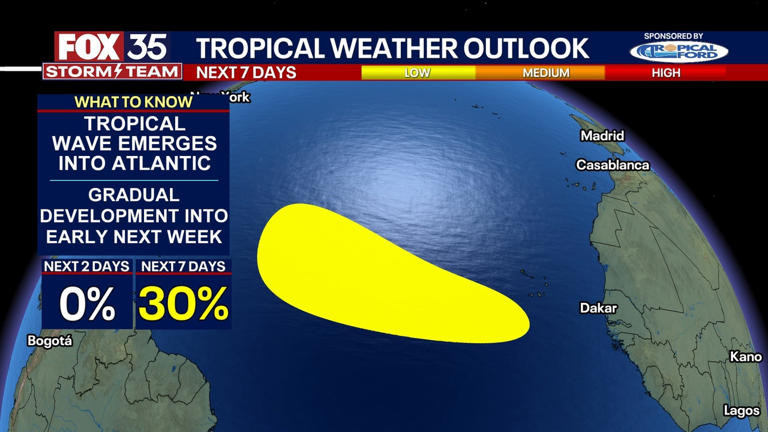
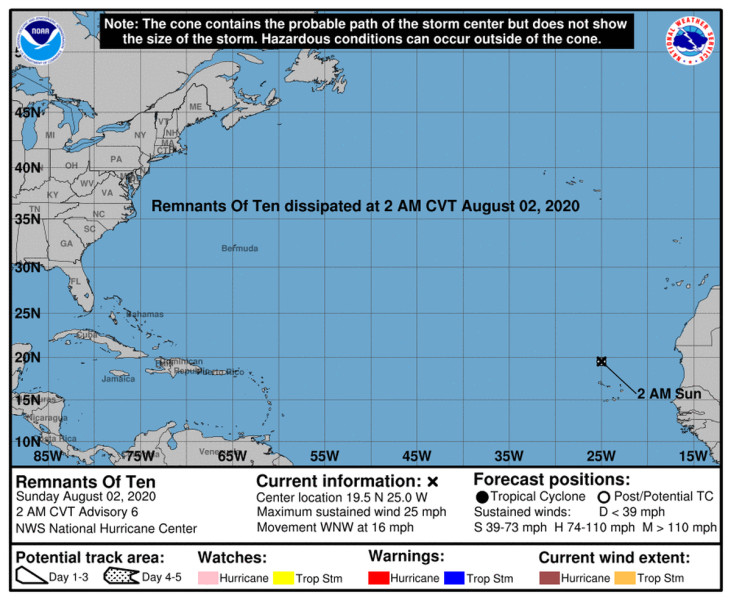
The center is closely monitoring the activity in the far eastern Atlantic Ocean, particularly around the Cabo Verde Islands. A broad area of showers and thunderstorms associated with a tropical wave has been identified several hundred miles west-southwest of the Cabo Verde Islands. The second area of concern is another tropical wave moving westward, which has shown signs of organization but has only a low chance of development currently, according to the latest Tropical Weather Outlook from the NHC.
NHC's Monitoring and Preparedness
As the NHC tracks these tropical waves, they are also diligently preparing for the potential impact on coastal regions. The Atlantic hurricane season officially runs from June 1 to November 30, with the peak typically occurring between August and October. The NHC has designated these two areas to watch for potential tropical development, emphasizing the importance of staying vigilant during this period. "We’re seeing an uptick in activity, which is typical for this time of year," Rodriguez explains. "But it’s crucial to remember that even low-probability systems can quickly intensify if conditions are right."
Preparing for the Storm
While the NHC continues to monitor the emerging tropical waves, communities along the Eastern Seaboard are preparing for the worst. Emergency management teams are on standby, and residents are encouraged to review their hurricane preparedness plans. "This is the time to make sure your hurricane kit is stocked and your family’s evacuation plan is in place," says John Davis, a local emergency management coordinator. "Even if these systems don’t develop, it’s always better to be over-prepared."
The NHC, with its state-of-the-art technology and expert team, remains a beacon of vigilance in the face of nature’s unpredictability. As the tropical waves continue to move westward, the NHC will provide regular updates and advisories, ensuring that the public stays informed and prepared. "We’re committed to keeping everyone safe, no matter what the tropics throw at us," Rodriguez concludes, her eyes never leaving the screen as she continues to track the movements of the tropical waves, ensuring that the nation is ready for whatever comes next.
“The key to managing these storms is staying informed, being prepared, and knowing what to do when the warnings come in," Rodriguez says, her voice steady and reassuring. "We can’t control the weather, but we can control how we respond to it.”
How does this story make you feel?
 Up next · SciencePerseid Meteor Shower 2026: A Sky-Gazer's Dream