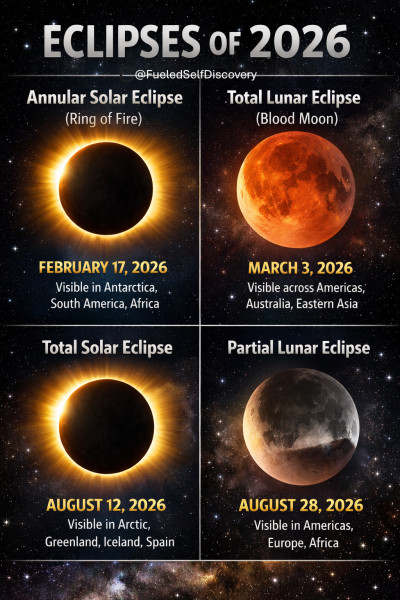
August 2026 Solar Eclipse: A Celestial Spectacle
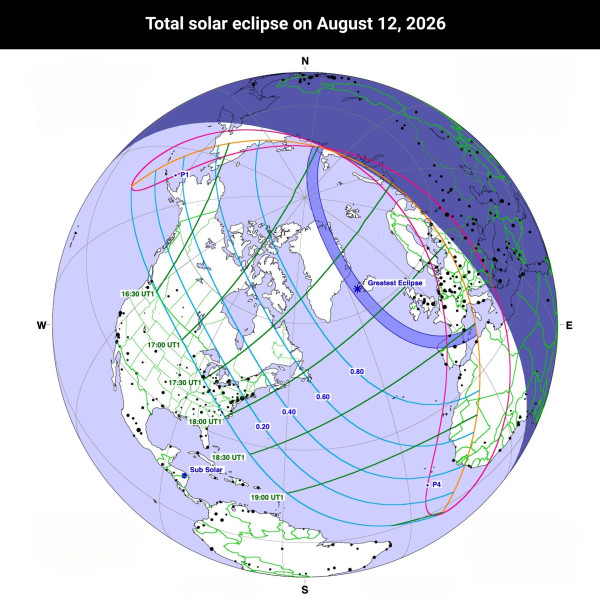
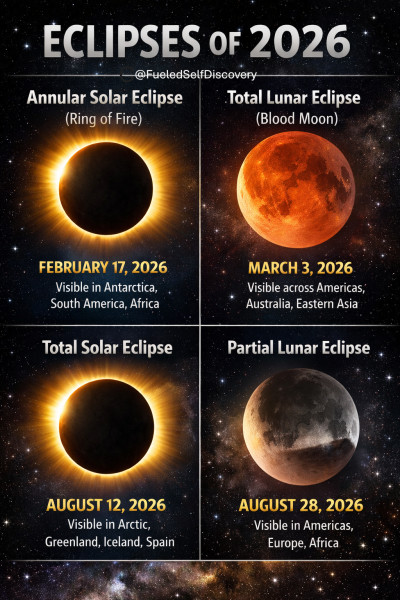
The skies are about to be graced by one of the most anticipated celestial events of the decade: a total solar eclipse set to occur on August 12, 2026. This solar eclipse will be visible from select regions, promising an awe-inspiring display for those fortunate enough to witness it. Here's everything you need to know about the upcoming total solar eclipse 2026, including the key details, where to watch, and how to view it safely.
What Time is the Solar Eclipse on August 12, 2026?
For those eager to mark their calendars, the total solar eclipse will occur on August 12, 2026. While the exact timings will vary depending on your location, the eclipse is expected to pass over Iceland and northern Spain, with partial visibility extending to northern Portugal and parts of Europe, including the UK and Ireland.
In Iceland, the eclipse will be visible in the late afternoon, offering a unique experience for astronomy enthusiasts and casual viewers alike. Viewers in Spain and Portugal will be able to catch the event at a slightly earlier time, making it a must-watch for anyone in these regions. The eclipse will be most visible in the northern hemisphere.
If you're hoping to catch a glimpse of the eclipse from the UK or Ireland, you'll still have a chance to witness a partial eclipse, although the totality won't be visible from these locations. The best viewing spots in the UK will be in the northern regions, where the eclipse will be more pronounced.
Where to Watch the 2026 Total Solar Eclipse?
Eclipse viewers in Iceland and northern Spain are in for a treat, as these regions will experience the full effect of the total solar eclipse. Iceland's remote landscapes will offer a dramatic backdrop for the event, while Spain's scenic beauty will provide a romantic setting for the celestial spectacle.
For those in the UK and Ireland, the partial eclipse will still be a sight to behold. Observers in these regions should look towards the south on the day of the eclipse to get the best view.
For those outside the visibility range, you can still enjoy the event through live streams and online broadcasts. Various astronomy websites and social media platforms will be covering the event, ensuring that anyone with an internet connection can share in the excitement.
If you're hoping to get a front-row seat to the eclipse, consider planning a trip to Iceland or northern Spain. These locations will offer the best views and a range of viewing events that will make the experience even more memorable.
How to Watch the Eclipse Safely
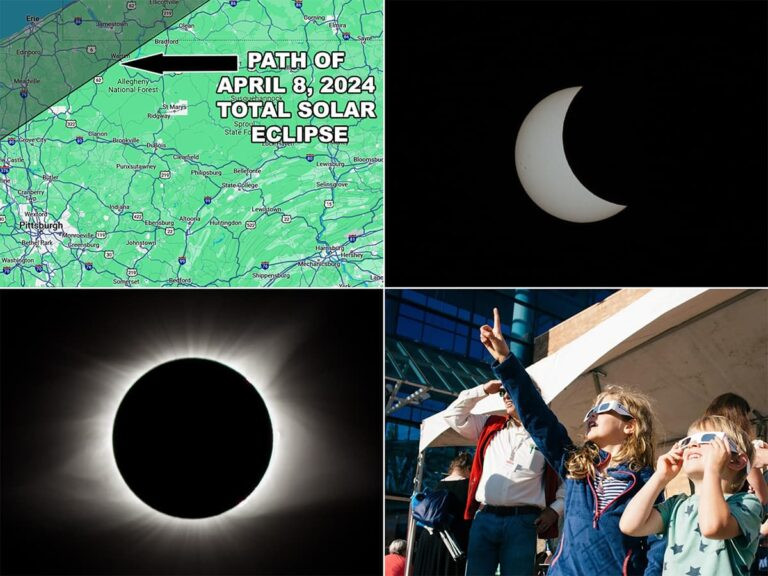
Watching a solar eclipse is an incredible experience, but it's crucial to do so safely. Looking directly at the sun, even during an eclipse, can cause permanent eye damage. Here are a few tips to ensure you view the eclipse safely:
Use Eclipse Glasses: Invest in a pair of certified eclipse glasses that meet international safety standards. These glasses are specially designed to filter out harmful solar radiation.
Wear Sunglasses Over Eclipse Glasses: If you have to wear prescription glasses, ensure they fit comfortably over your eclipse glasses. Regular sunglasses are not sufficient to protect your eyes from the sun's rays.
Pinhole Projector: For a more DIY approach, a pinhole projector can be a safe and fun way to view the eclipse. This method allows you to project the image of the eclipse onto a surface without looking directly at the sun.
Join an Organized Event: Many astronomy clubs and organizations will be hosting viewing events with the necessary safety equipment. Participating in these events can provide a safe and enjoyable experience for everyone.
Remember, the solar eclipse is a rare and awe-inspiring event, but safety should always be your top priority. With the right precautions, you can enjoy this celestial phenomenon without risking your vision.
And then — get this — as the moon passes between the Earth and the sun, it will cast a shadow that will travel across parts of Europe, creating a unique and breathtaking spectacle. The path of totality will trace a narrow band across Iceland and northern Spain, offering a prime viewing spot for those in the right place at the right time.
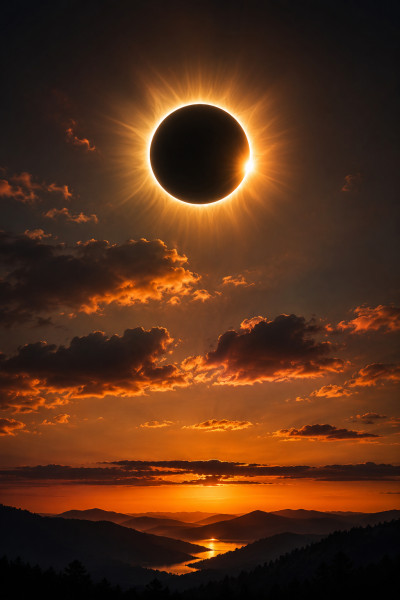
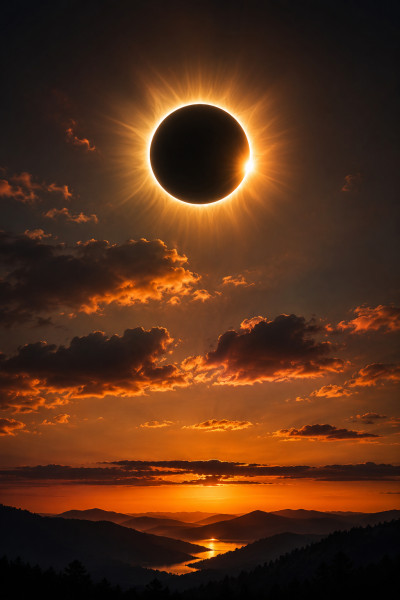
The eclipse will last for several hours, but the period of totality — when the moon completely blocks the sun — will only last a few minutes. During this brief window, viewers will be treated to a stunning display of the sun's corona, the delicate outer atmosphere that is usually obscured by the sun's brightness.
For those who can't make it to Iceland or Spain, the good news is that the partial eclipse will be visible from a much wider area, including the UK, Ireland, and parts of North America. Even if you won't see the totality, the partial eclipse is still a sight to behold, and it's a great opportunity to appreciate the magic of the cosmos.
So, mark your calendars and start planning your viewing party. Whether you're in Iceland, Spain, or watching from home, the total solar eclipse 2026 is an event you won't want to miss.
How does this story make you feel?
 Up next · ScienceThe Total Solar Eclipse of August 2026: A Celestial Spectacle