Unraveling Reality: The Lindsay Clancy Trial Live Updates and The Postpartum Psychosis Defense
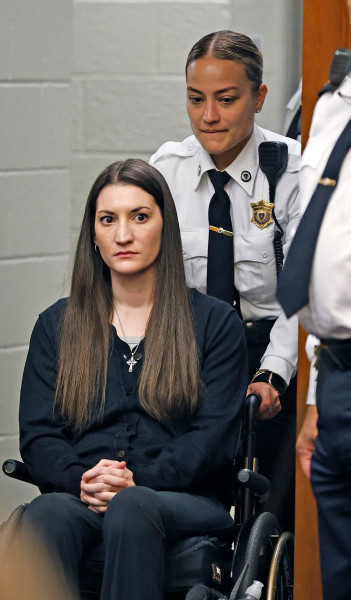
As the curtain falls on the Lindsay Clancy courtroom drama, it is not the court's gavel that silences the air, but the whispers of postpartum psychosis. In the shadow of the trial, the fragility of motherhood is laid bare, its edges jagged and unyielding.
Lindsay Clancy Trial: The Unraveling of a Mother's Mind
In the quiet of the Duxbury home, the massacre unfolded in the heart of a mother whose world had been consumed by a disorder rarely understood and often misdiagnosed: postpartum psychosis. The Lindsay Clancy murder trial, which has captivated public attention in recent times, highlights a condition that devastates not just the mother but the very fabric of her family.
For Lindsay Clancy, the dark corners of her mind began to close in as she struggled with the sudden change in medication. A psychiatric nurse testified that Clancy felt "super disconnected with myself and reality" during this period, a harrowing descent into a mental state that would ultimately claim the lives of her three young children. It is a chilling reminder of the heightened vulnerability of new mothers and the devastating consequences when support and intervention fail to reach them.
“Postpartum psychosis is a rare but severe mental health condition that can strike any new mother, often without warning," said Dr. Jennifer Tufts, a psychiatrist who treated Lindsay Clancy. "It's a medical emergency, and prompt intervention is crucial."
Day 11: The Trial Continues with New Revelations
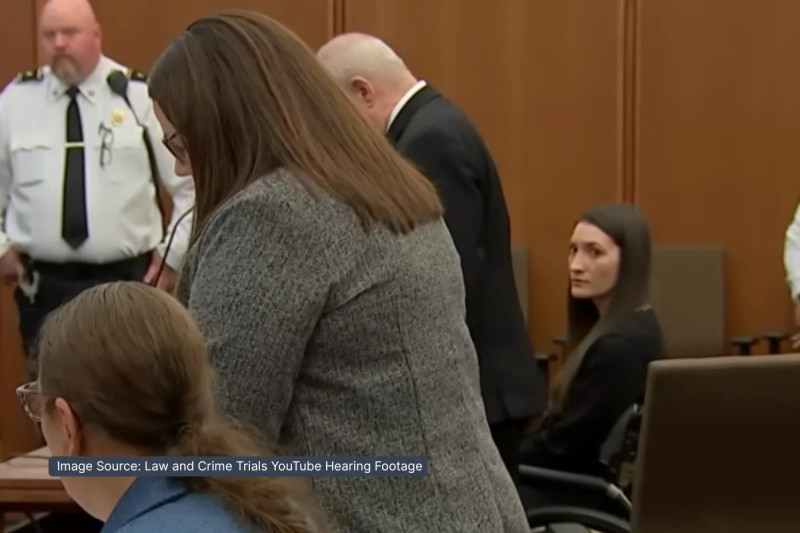
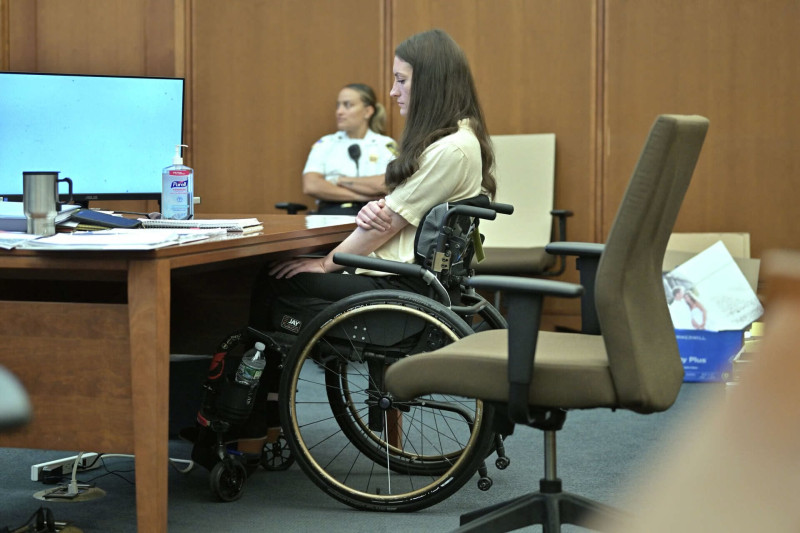
Today, as the trial enters its 11th day, the public is captivated by the unfolding drama. The courtroom becomes a stage where the intricate dance of testimony and cross-examination unfolds, each step revealing a deeper layer of the tragedy that befell the Clancy family. The trial, which began weeks ago, is expected to continue for several more days as both the prosecution and defense present their arguments.
On today's docket, defense counsel and prosecutors are expected to focus on the mental state of the accused, delving into the complexities of postpartum psychosis and its impact on Lindsay Clancy's actions. The defense argues that Clancy was not in her right mind when she harmed her children, a claim supported by medical experts who have testified about the severity of her condition.
The Role of Kevin Reddington and Other Key Players
In the intricate web of the Lindsay Clancy trial, Kevin Reddington emerges as a pivotal figure. As the husband of Lindsay Clancy, Kevin Reddington's testimony offers a rare glimpse into the family's dynamics and the events leading up to the tragic incident. Reddington, who was out picking up food at the time of the murders, provides a poignant reminder of the sudden and unpredictable nature of postpartum psychosis.
The trial has also seen the involvement of various medical professionals who have testified about Lindsay Clancy's mental state. Dr. Jennifer Tufts, one of the psychiatrists who treated Clancy, was cross-examined on Monday as the trial entered its third week. Her testimony, along with that of other medical experts, has shed light on the intricacies of postpartum psychosis and its potential to devastate lives.
As the trial continues, the courtroom remains a microcosm of the broader debate surrounding postpartum psychosis and the urgent need for better mental health support for mothers. The testimony of medical experts, the intricacies of the legal arguments, and the emotional weight of the defendant's actions all converge to create a narrative that is as heartbreaking as it is enlightening.
The Lindsay Clancy trial serves as a stark reminder of the fragility of the human mind and the urgent need for greater awareness and support for mothers experiencing postpartum psychosis. As the trial unfolds, the story of Lindsay Clancy and her family will continue to resonate, prompting a deeper examination of the challenges faced by mothers in the aftermath of childbirth.
How does this story make you feel?
 Up next · HealthTaylor Farms Salsa Recall: Jalapeño Salmonella Outbreak Sparks Nationwide Concern