Massive Beef Recall Shakes Retailers in Two States
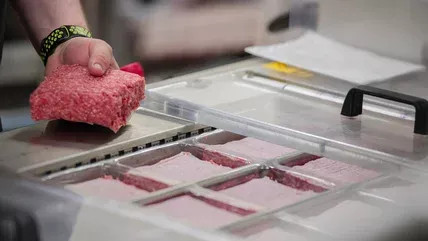
In the bustling aisles of supermarkets across Florida and Texas, shelves usually stocked with raw beef are eerily sparse. The reason? A recent massive recall of nearly 30,000 pounds of raw beef from Argentina, which has set off a wave of concern among consumers and retailers alike. This recall, initiated by Corte Argentino USA LLC, underscores the critical importance of food safety regulations and the vigilance required in the supply chain. The recalled meat had bypassed a required import reinspection, raising alarms about potential health risks and the integrity of the food supply chain. — This beef recall, which has sent shockwaves through the industry, is just one of the latest in a series of food safety scares that have highlighted the need for stringent oversight and transparency in the food supply chain.
The Details of the Recall: A Closer Look at the Violation
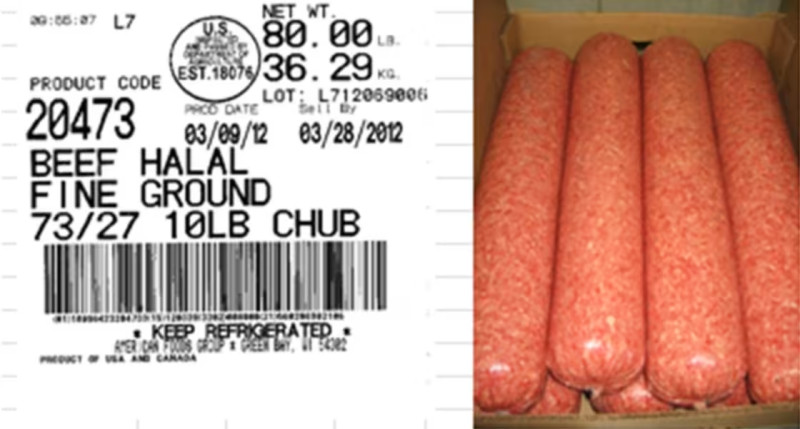
The recall involves nearly 30,000 pounds of raw boneless beef products that were imported from Argentina and distributed to retailers in Florida and Texas. The USDA has categorized this recall as Class I, indicating a "high or medium-risk" situation. This classification underscores the seriousness of the violation, which involved the meat bypassing a mandatory import reinspection. The failure to undergo this inspection means that the meat could potentially harbor contaminants or pathogens that pose a significant health risk to consumers.
Corte Argentino USA LLC, the Florida-based company responsible for the recall, issued a statement acknowledging the oversight. The company emphasized its commitment to food safety and urged consumers to return any affected products immediately. The recall affects a variety of raw beef products, and retailers have been instructed to remove the items from their shelves and dispose of them accordingly.
The Impact on Consumers and Retailers: Navigating the Aftermath
The recall has left consumers and retailers scrambling to ensure their safety and compliance. For consumers, the recall means checking their refrigerators and freezers for any potentially contaminated beef products. Retailers, meanwhile, are tasked with the challenging job of identifying and removing affected products from their inventory, a process that requires meticulous attention to detail and effective communication with suppliers.
One of the biggest challenges in the aftermath of a recall is restoring consumer confidence. The recall has highlighted the importance of transparency and effective communication in the food supply chain. Retailers are now under pressure to provide clear and accurate information about the recall, including which products are affected and what consumers should do if they have purchased the recalled beef. — This recall has also sparked a broader conversation about the need for stricter oversight and more comprehensive safety measures in the food industry. Experts are calling for enhanced monitoring and more robust inspection protocols to prevent similar incidents in the future.
The Broader Implications: Food Safety and Regulatory Oversight
The recall has brought into sharp focus the broader issues of food safety and regulatory oversight. The incident has raised questions about the effectiveness of current inspection protocols and the need for more stringent measures to ensure the safety of imported food products. Experts are calling for enhanced monitoring and more robust inspection protocols to prevent similar incidents in the future.
Federal food safety regulators have issued guidelines for consumers and retailers on how to handle the recalled beef products. Consumers are advised to check their refrigerators and freezers for any potentially contaminated items and to return them to the point of purchase for a refund. Retailers, meanwhile, are instructed to remove the affected products from their shelves and dispose of them in accordance with local regulations. The USDA has also emphasized the importance of proper handling and storage of raw beef products to prevent contamination.
"This recall underscores the critical importance of food safety regulations and the vigilance required in the supply chain. Ensuring that all imported food products undergo the necessary inspections is essential to protect consumers and maintain the integrity of the food supply chain."
The USDA
The beef recalled incident serves as a stark reminder of the need for ongoing vigilance and robust regulatory oversight in the food industry. As retailers and consumers alike grapple with the aftermath, the focus remains on preventing future incidents and ensuring the safety of the food supply chain.
How does this story make you feel?
 Up next · HealthBig Bear Eagle Jackie's Passing Marks End of Battle with Anemia