Bacon Recall: Over 12,000 Pounds Imported from Canada
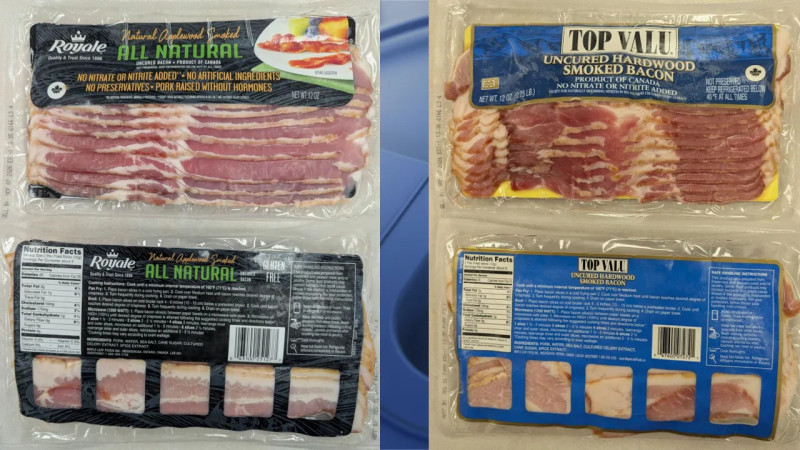
The smell of sizzling bacon is a staple in many households, but for some consumers, the joy of bacon was suddenly overshadowed by the news of a massive bacon recall hitting the headlines on July 24, 2026. Maple Leaf Foods Inc. announced a recall of more than 12,000 pounds of not-ready-to-eat (NRTE) bacon imported from Canada. The recall, prompted by an import violation, highlights the intricacies of food safety regulation in the United States. Here's what you need to know about the recent bacon recall and its implications for consumers.
The Import Violation: What Happened During the Recall
The U.S. Department of Agriculture's Food Safety and Inspection Service (FSIS) discovered that the bacon had entered the United States without the benefit of import reinspection. This oversight means that the product was not subject to the standard safety checks required for food imports. The recalled bacon, produced by Maple Leaf Foods, includes Royale Natural and Top Valu brand uncured bacon packages. These products were sold at Grocery Outlet locations in Idaho, Oregon, and Washington, with production dates in June 2026. Consumers are advised to check their fridges for packages with production dates ranging from "JUN 23 2026" to "SEP 07 2026".
One of the key points of concern is the integrity of the food supply chain. As Jason Thompson, a food safety expert, explained, "This incident underscores the importance of rigorous inspections. Even a small oversight can have significant repercussions for public health."
“This incident underscores the importance of rigorous inspections. Even a small oversight can have significant repercussions for public health.” - Jason Thompson, Food Safety Expert
Consumer Alert: What You Need to Know About the Recall
The USDA issued a high-level recall alert, classifying this as a critical issue due to the potential health risks involved. Consumers are urged to return any affected products to the place of purchase for a full refund. The recall affects a wide range of products, from small 8-ounce packages to larger 1.3-pound packages, all imported from Canada. "We are working closely with the USDA to ensure that all affected products are removed from the market as quickly as possible," stated a spokesperson for Maple Leaf Foods.
Grocery Outlet stores in Oregon, Washington, and Idaho have been particularly affected, as they were the primary distributors of the recalled products. The recall has prompted a wave of concern among consumers, with many questioning the safety of imported foods. Local outlets have responded by setting up return stations and providing detailed information to help consumers navigate the recall process.
The Impact on Food Safety Regulations
The bacon recall serves as a stark reminder of the importance of food safety regulations in maintaining public health. The incident has sparked a broader discussion about the enforcement of import regulations and the potential risks associated with food products that bypass standard inspection procedures. Experts are urging for stricter oversight and more transparent communication between regulatory bodies and consumers.
The recall has also highlighted the complex nature of the global food supply chain, where products can traverse international borders before reaching the consumer's table. As food safety regulations continue to evolve, it is crucial for both producers and regulators to work together to ensure that all food products meet the highest safety standards.
People are also worried about the disruption in supply chains and how it will affect the availability of bacon and other pork products in the coming weeks. As Angela Martinez, a local resident, put it, "I only buy bacon once a week, but now I'm worried about what to prepare for breakfast."How does this story make you feel?
 Up next · HealthMedicare Part D Subsidies: A Sunset Announced