A Rare Celestial Event: The August 12, 2026 Total Solar Eclipse

Today, the world's eyes turn skyward as a spectacular celestial event unfolds. The solar eclipse of August 12, 2026, is poised to captivate millions across the globe, marking a rare and awe-inspiring display of cosmic alignment. This total solar eclipse is not merely an astronomical curiosity; it's a reminder of the universe's grandeur and our place within it.
The Path of Totality: Where to Witness the Eclipse
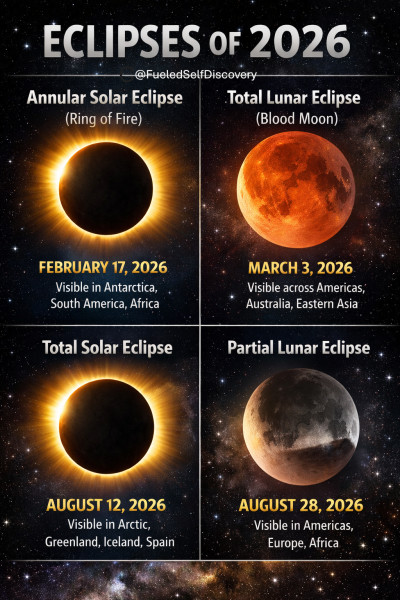
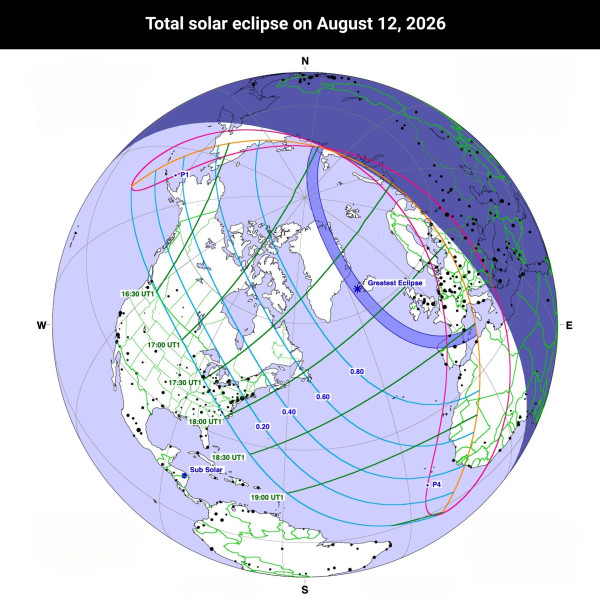
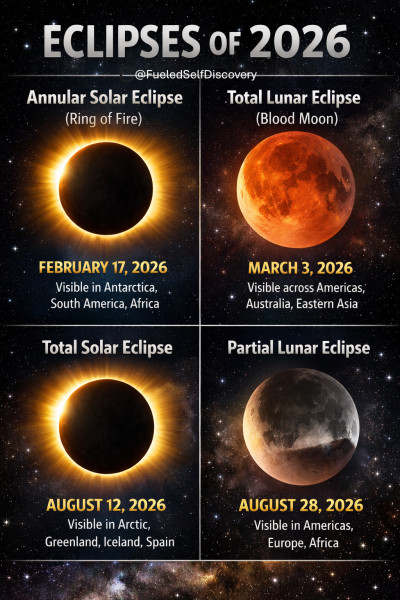
For those eager to witness the total solar eclipse 2026, the path of totality will sweep across a diverse array of locations. NASA reports that Greenland, Iceland, northern Russia, the Atlantic Ocean, Spain, and a small corner of Portugal will experience the full effects of the eclipse. This August 12 solar eclipse is particularly notable because it opens the first total solar eclipse to cross mainland Europe since 1999, and the first over Spain since 1905. The path of totality is a narrow band where the sun will be completely obscured by the moon, creating a dramatic and breathtaking experience for viewers lucky enough to be within this zone. According to available reports, totality will last up to 2 minutes and 20 seconds, providing a rare opportunity to see the sun's corona and other celestial phenomena.
Understanding the Solar Eclipse: Science and Timing
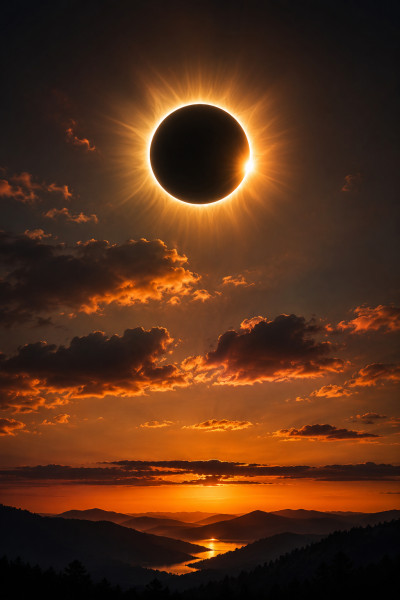
To grasp the significance of this solar eclipse 2026, it’s essential to understand the mechanics behind it. A solar eclipse occurs when the moon passes between the Earth and the sun, casting a shadow on the Earth's surface. The phenomenon takes place at the moon's descending node of orbit, where the moon aligns perfectly with the sun and Earth, resulting in a total or partial eclipse. The eclipse will begin to be visible in Greenland and Iceland, then move across northern Russia, the Atlantic Ocean, and finally culminate in Spain and Portugal. The exact timing of the eclipse will vary by location, but the event will be visible to various degrees in Europe and parts of North America and Africa. The solar eclipse on August 12, 2026, is anticipated to be a significant event, particularly for those in the path of totality, where the sky will darken, and the sun's corona will be visible for a brief period.
A Counter-Perspective: Contemplating the Eclipse as a Cultural Phenomenon
While the scientific aspects of the solar eclipse of August 12, 2026, are undeniably fascinating, it's worth contemplating the cultural and psychological impact of such an event. For many, eclipses are more than just astronomical events; they are profound experiences that evoke a sense of wonder and awe. Throughout history, eclipses have been associated with myths, legends, and superstitions in various cultures. In recent times, they have become opportunities for scientific discovery and public engagement, drawing crowds of enthusiasts and researchers alike. The total solar eclipse 2026 is not just a scientific marvel; it's a global event that bridges cultures and brings people together in a shared moment of cosmic wonder.
In anticipation of the August 12 solar eclipse 2026, enthusiasts and scientists alike are preparing to witness one of nature's most spectacular displays. The total solar eclipse 2026 promises to be a memorable event, offering a rare opportunity to experience the beauty and mystery of our celestial neighbors. As the day progresses, millions will look to the skies, united by a shared sense of awe and curiosity. This eclipse is more than just an astronomical event; it's a reminder of our place in the universe and the enduring allure of the natural world. The August 12 solar eclipse 2026 is set to be a celestial spectacle that will captivate the world, leaving us with a profound sense of wonder and a deeper appreciation for the cosmos.
How does this story make you feel?
 Up next · ScienceAre you ready for the night sky spectacle?