Eli Lilly Lawsuits Target Black Market Sales of Retatrutide
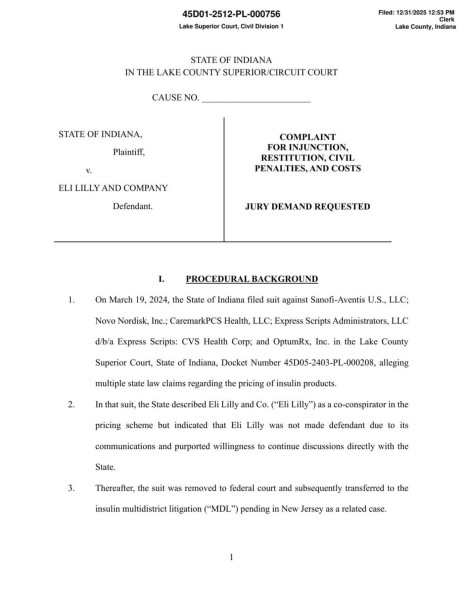
In a bold move to protect its experimental obesity drug retatrutide, Eli Lilly recently filed lawsuits against six U.S. firms, alleging illegal sales of the unapproved medication. The pharmaceutical giant is taking a strong stance against what it calls a dangerous black market for retatrutide, which is still undergoing clinical trials. This ongoing issue has forced Eli Lilly to escalate its legal actions, seeking to safeguard patients and maintain the integrity of its drug development process.
The Legal Battle: Eli Lilly’s Fight Against Illegal Sales
Eli Lilly’s latest legal actions are part of a broader strategy to combat the illicit market for retatrutide. The company has filed six lawsuits targeting companies that allegedly sell unauthorized versions of the drug. According to Eli Lilly, these black-market activities pose significant risks to public health, as the unauthorized products may not meet safety and efficacy standards. The lawsuits aim to hold these entities accountable and send a clear message to potential violators. Eli Lilly's efforts have extended beyond the courtroom. The company has called on online platforms, payment companies, and regulatory authorities to help curb the illegal trade of retatrutide. This multipronged approach highlights the gravity of the issue and the company's determination to protect its intellectual property and consumer safety.
Understanding the Impact on Public Health and Regulatory Compliance
While the legal battle rages, the impact of these black-market activities on public health is a concern. Unauthorized versions of retatrutide could be unsafe, ineffective, or both, putting patients at risk. Eli Lilly’s call for public support underscores the importance of vigilance in reporting suspicious activities. The company has provided a hotline, 1-800-LillyRx, for individuals to report illegal retatrutide products to law enforcement and regulatory authorities. By involving the public, Eli Lilly hopes to build a strong collective effort to combat the unauthorized sale of its drug. The regulatory landscape for experimental drugs like retatrutide is strict, and companies must follow rigorous guidelines to ensure safety and efficacy. Eli Lilly’s legal actions send a clear message to potential violators and reinforce the need for compliance with regulatory standards.
The ongoing legal battle between Eli Lilly and the six companies selling black-market versions of retatrutide represents a significant development in the fight against illegal drug sales. By taking a proactive stance, Eli Lilly is setting a precedent for other pharmaceutical companies facing similar challenges. The company’s multipronged approach, which includes legal actions and public engagement, demonstrates a commitment to safeguarding public health and maintaining the integrity of its drug development process. The illegal sale of retatrutide underscores the complexities of regulating experimental drugs in the modern pharmaceutical landscape. It also raises questions about the effectiveness of current regulatory frameworks and the need for enhanced enforcement to protect consumers from harmful products. As the legal battle unfolds, the public and regulatory authorities will closely monitor the developments, hoping for a resolution that prioritizes patient safety and upholds the integrity of the pharmaceutical industry. Will the legal actions taken by Eli Lilly be enough to curb the black-market sales of retatrutide, or will additional measures be necessary to address this growing concern?
How does this story make you feel?
 Up next · HealthEbola Resurgence: A Deadly Wave Sweeps the Democratic Republic of Congo