Silencer Shop: Major Victory for Gun Rights in Latest NFA Ruling
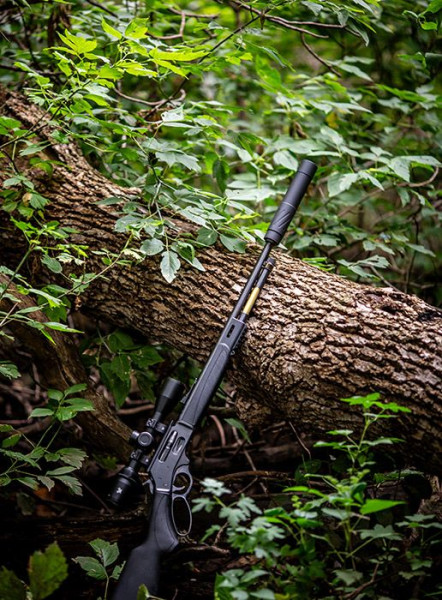
In a decision that’s shaking up the world of firearms enthusiasts and legal experts alike, a recent ruling has struck down a long-standing regulation governing the purchase and ownership of silencers. This landmark decision, involving the Silencer Shop, has sent ripples through the community, with many now questioning the future of the National Firearms Act (NFA) and its impact on suppressor ownership.
Unpacking the Ruling: What Happened?
Look, it’s not every day you see a 92-year-old law get overturned, but recently, a federal court ruling has done just that. The ruling in the Silencer Shop Foundation v. Bureau of Alcohol, Tobacco, Firearms and Explosives (ATF) case has declared the NFA registration process for suppressors and short-barreled rifles as unconstitutional. The decision, issued by Judge James Wesley Hendrix in the United States District Court for the Northern District of Texas, has been a game-changer.
Here’s the thing: the NFA, enacted in 1934, mandated that anyone purchasing certain classes of firearms, including silencers, pay a $200 tax and register the firearm with the ATF. The rationale behind this was Congress’s authority to levy taxes. But the recent ruling found that these restrictions are unconstitutional as applied to untaxed firearms.
What does this mean for you? Well, it means that the long and arduous process of registering and taxing these firearms has been thrown into question. The ATF will no longer enforce the NFA registration for silencers and short-barreled rifles, which could make a huge difference for those who have long advocated for reform.
The Impact: What Comes Next?
Sound familiar? Remind you of anything? The ruling is still fresh, but it’s already clear that this decision is going to have far-reaching effects. The Department of Justice (DOJ) has shocked many by announcing that it will not appeal the decision, essentially waving the white flag on nearly a century of regulatory red tape.
And then — get this — Silencer Shop has already announced plans for historic, no-form-4 suppressor transfers. This means, in theory, that you could soon be buying and owning a suppressor without the need for an NFA form or registration. It’s a seismic shift in how these items are regulated, and the implications are huge for gun owners and manufacturers alike.
But it’s not all smooth sailing. The judgment remains stayed for seven days from its August 5th entry, during which the current ATF process remains in effect. This means there’s a bit of a waiting game as the world adjusts to this new legal landscape.
What Does This Mean for Suppressor Ownership?
For those who have long advocated for reform, this recent victory in the NFA ruling is a major win. The decision could pave the way for a simpler, more straightforward process for owning suppressors and other regulated firearms. “This ruling is an important first hurdle in the larger effort to remove silencers from the NFA and establish a simpler, more appropriate purchasing process for law-abiding Americans,” said one expert involved in the case.
But here’s the kicker: while the ruling is a significant step forward, it’s not the final word. The legal battle over the NFA is far from over, and it will be interesting to see how this plays out in the coming months. Some legal experts have pointed out that while the ruling is a victory, the fight for suppressor reform is still ongoing.
The broader question is whether this ruling will embolden other legal challenges to the NFA or set a precedent for future cases. The landscape of gun regulation in the United States is complex and ever-evolving, and this ruling is just the latest development in a long and contentious debate. But for now, the Silencer Shop and its supporters are celebrating a major victory in their quest for reform.
And in a way, this ruling reminds us of a time not so long ago, when the end of Prohibition marked the beginning of a new era. Just as that period saw a shift in how certain goods were regulated, so too could this ruling signal a new chapter in gun ownership and regulation. Who knows where this will lead? But one thing’s for sure: it’s going to be an interesting ride.
How does this story make you feel?
 Up next · PoliticsA Courtroom Drama Unfolds: The Lindsay Clancy Trial