DOJ Declines to Appeal NFA Ruling, Sparking Uncertainty for Gun Enthusiasts
The Department of Justice (DOJ) has declined to appeal a recent ruling that invalidated key provisions of the National Firearms Act (NFA).
DOJ's Shocking Decision to Not Appeal
The DOJ's decision has sent shockwaves through the firearms community. The ruling in question, handed down recently by a federal judge, struck down NFA registration requirements for suppressors and other items, effectively removing a significant regulatory burden for gun owners.
The judge determined that the removal of associated taxes invalidated the law, marking a historic victory for gun-rights advocates and a stunning blow to decades of federal gun control policies.
The DOJ's refusal to appeal this ruling means that the stay on the decision, which was set to expire, will be upheld, leaving the door open for further legal challenges and regulatory confusion.
What Does This Mean for Gun Owners and the NFA?
The DOJ's decision not to appeal the ruling has significant implications for gun owners and the broader firearms community. The NFA, a pillar of Prohibition-era gun control, has long been a contentious issue, with critics arguing that its regulations are overly burdensome and unconstitutional.
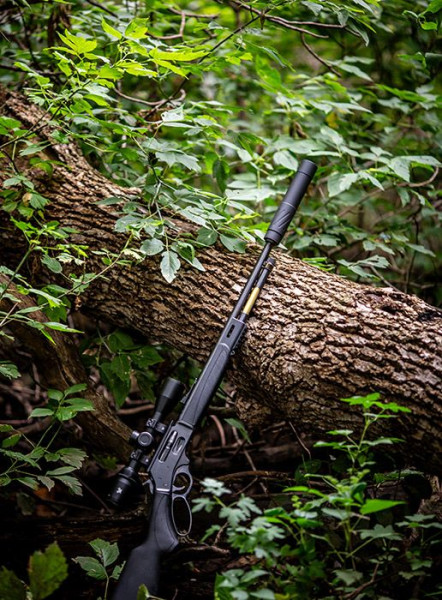
Since the NFA was enacted in 1934, it has required individuals to register and pay a tax on certain firearms, including suppressors, short-barreled rifles (SBRs), and short-barreled shotguns (SBSs).
The recent ruling, which applies to suppressors and other items, has raised questions about the future of the NFA and whether other firearms covered under the act could also be affected. The decision, however, only applies to the plaintiffs and their members, leaving many gun owners in a state of uncertainty.
The decision not to appeal has effectively allowed a key component of the NFA to lapse, potentially opening the door for further legal challenges and regulatory confusion.
Gun-rights advocates have hailed the ruling as a significant victory, arguing that it strikes a blow against decades of federal gun control policies. However, the broader implications of the ruling remain uncertain. The DOJ's decision not to appeal the ruling has left many gun owners and industry stakeholders in a state of confusion, unsure of how the decision will impact their ability to legally own and use certain firearms.
The Future of Gun Regulation Under the NFA
The DOJ's decision to not appeal the ruling has left many experts and stakeholders speculating about the future of gun regulation under the NFA. The ruling, which struck down NFA registration requirements for suppressors and other items, has raised questions about whether other firearms covered under the act could also be affected. The decision, however, only applies to the plaintiffs and their members, leaving many gun owners in a state of uncertainty.
Some experts argue that the ruling could pave the way for further legal challenges to the NFA, potentially leading to its eventual repeal. Others, however, caution that the ruling is still very narrow in scope and that the broader implications of the decision remain uncertain.
The decision not to appeal means that the stay on the decision, which was set to expire, will be upheld, leaving the door open for further legal challenges and regulatory confusion.
"What this ruling means for the future of the NFA is anyone's guess. It's a complex legal and regulatory landscape, and there are still a lot of unanswered questions," says a spokesperson for Capitol Armory, a leading firearms retailer.
Think again. The DOJ's decision not to appeal the ruling has left many gun owners and industry stakeholders in a state of confusion, unsure of how the decision will impact their ability to legally own and use certain firearms. Nobody saw this coming.
But here’s the real question: Will this ruling set a precedent for other legal challenges to the NFA, or will it remain a narrowly focused decision with limited impact? Only time will tell, but one thing is clear: the fight over gun regulation is far from over. Many expect further legal battles as the implications of this decision become clearer. The future of gun regulation in the United States is at a critical juncture, and the DOJ's decision not to appeal the NFA ruling has made that future even more uncertain.
How does this story make you feel?
 Up next · PoliticsPA Lottery Faces Controversy Amid Controversial Winnings Controversy