Kennedy Center Board Votes for Closure as Renovation Battle Continues
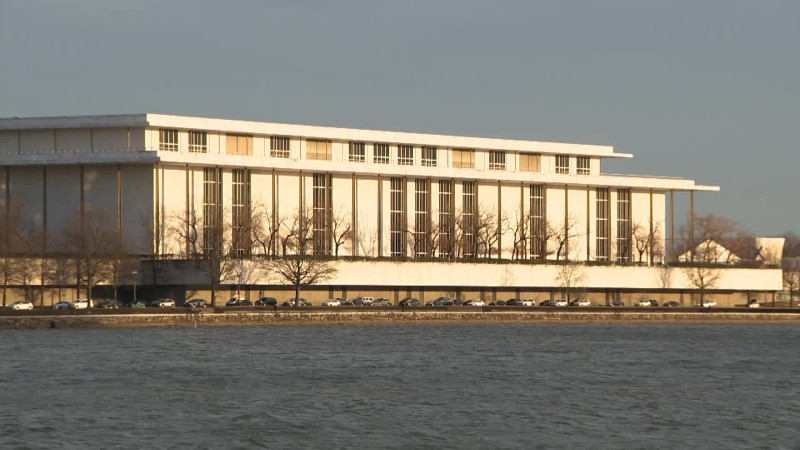
The John F. Kennedy Center for the Performing Arts faces an uncertain future. Recent reports indicate that the board has voted to close the Washington, D.C., arts complex for a $250 million renovation. This decision follows a tumultuous period marked by legal challenges and public outcry, particularly in relation to the National Symphony Orchestra.
Board Votes to Close for Renovations
In a significant move, the Kennedy Center board voted to close the complex for renovations, despite a federal judge temporarily blocking a similar closure earlier. The decision comes as part of a broader set of changes orchestrated by the board, which has been under scrutiny for its alignment with former President Donald Trump. The renovation project, which is estimated to cost $250 million, aims to revamp the iconic arts complex, but it has sparked controversy due to its potential impact on the National Symphony Orchestra and other cultural programs housed within the center.
Financial and Public Backlash
The National Symphony Orchestra, a cornerstone of the Kennedy Center, is facing severe financial strain. Documents reveal that individual donors and audience members have pulled away from the orchestra, leading to millions in lost revenue. This financial turmoil is exacerbated by the board's recent decisions, which have been perceived as politically motivated and potentially detrimental to the institution's cultural heritage.
In addition to the financial woes, the Kennedy Center's board is also embroiled in a legal battle. A federal judge blocked an initial attempt to close the center for two years, citing concerns about the lack of transparency and the potential impact on the National Symphony Orchestra. The board's latest vote to close the center for renovations has been met with criticism, with some arguing that it is a transparent effort to bypass the court's ruling.
The ongoing controversy surrounding the Kennedy Center's closure and the National Symphony Orchestra's future has led to a public outcry. Critics argue that the board's decisions are politically motivated and could irreparably harm the cultural legacy of the Kennedy Center. The board's alignment with former President Donald Trump has further fueled public backlash, with many calling for greater transparency and accountability in the decision-making process.
The National Symphony Orchestra, a cornerstone of the Kennedy Center, is facing severe financial strain. Documents reveal that individual donors and audience members have pulled away from the orchestra, leading to millions in lost revenue. This financial turmoil is exacerbated by the board's recent decisions, which have been perceived as politically motivated and potentially detrimental to the institution's cultural heritage.
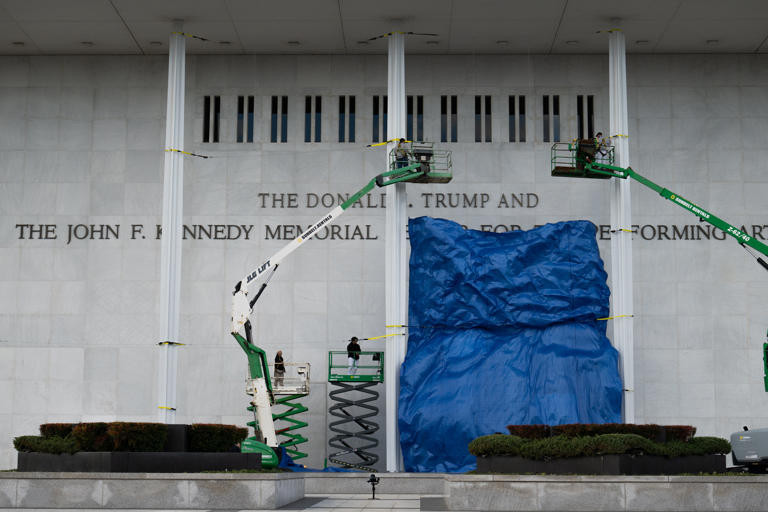
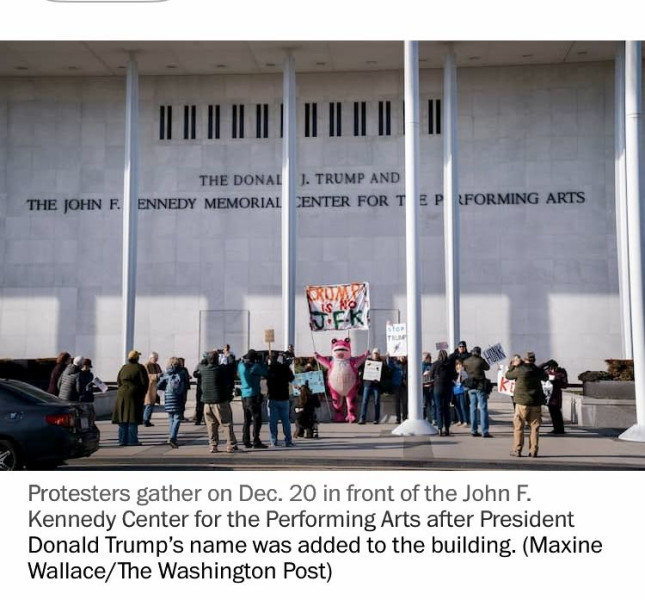
The board's decision to attach Trump’s name to the performing arts center has added another layer of complexity to the situation. The move has been seen as a controversial effort to align the center with the former president's legacy, a decision that has sparked significant public and political debate.
"This latest development is a transparent effort to circumvent the Court's ruling, and flies in the face of the statutes that Congress passed," said Rep. Joyce Beatty (D-Ohio).
The board of the John F. Kennedy Center for the Performing Arts voted for the second time to close the building for renovations. The decision would close the iconic institution for a two-year period, a move that has been met with significant public and legal scrutiny.
This latest development is a transparent effort to circumvent the Court's ruling, and flies in the face of the statutes that Congress passed.
The National Symphony Orchestra has rapidly lost many of its audience members and individual donors since President Donald Trump seized control of the John F. Kennedy Center for the Performing Arts, sending revenue into a two-year free fall that has pushed the internationally acclaimed orchestra into financial crisis.
The board's decision to close the Kennedy Center for renovations is a clear indication that the institution is facing significant financial and legal hurdles. The closure could have far-reaching implications for the National Symphony Orchestra and other cultural programs housed within the center.
How does this story make you feel?
 Up next · EntertainmentHeated Rivalry Season 2: Emily Hampshire, Edvin Ryding, and More Join the Cast