Trump's Sudden Shift: Steam Catapults Replacing Advanced Systems on US Aircraft Carriers
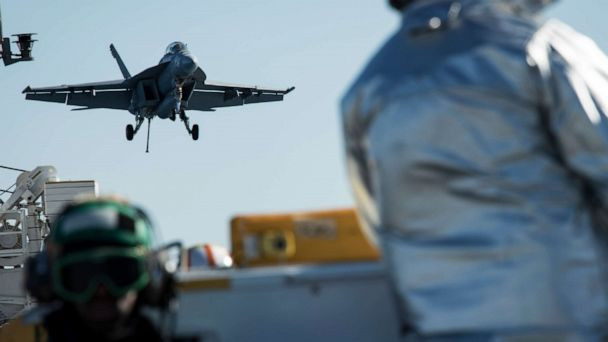
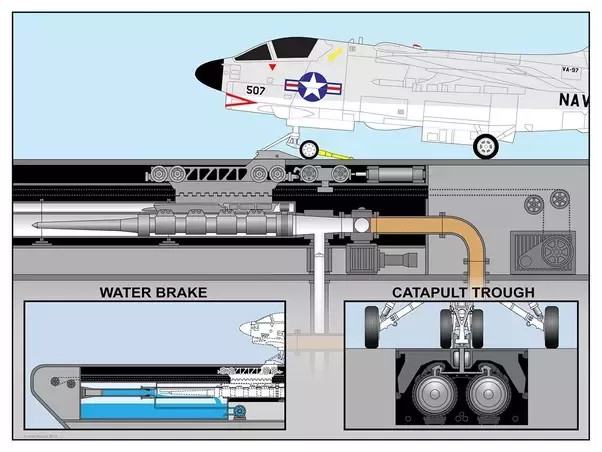
In a shocking move that has sent ripples through the defense community, President Trump has ordered the US Navy to replace its state-of-the-art electromagnetic catapult systems with older steam-powered catapults on its newest aircraft carriers. This decision, which reverses a significant technological advancement, has raised eyebrows and sparked debates about the future of naval aviation and the Pentagon's priorities.
The Return of Steam Catapults: A Reversal of Technological Progress
The Navy's transition to electromagnetic aircraft launch systems (EMALS) has been a hallmark of modern naval technology, providing greater efficiency, reliability, and reduced maintenance requirements compared to traditional steam catapults. The new system was specifically designed to enhance the operational capabilities of the Gerald Ford-class aircraft carriers, which are set to form the backbone of the US Navy's carrier fleet for decades to come. Trump's directive, which affects the USS Doris Miller, the fourth Ford-class carrier, marks a abrupt shift away from this advanced technology.
This decision reverses a decade-long technological advancement, opting instead for a system that has been largely phased out in favor of more modern solutions. The move has significant implications for the Navy's operational readiness and maintenance requirements, potentially increasing the number of personnel needed to operate and maintain the carriers.
What Does This Mean for the USS Doris Miller and Future Carriers?
The USS Doris Miller, the fourth Ford-class carrier, is currently under construction and was slated to feature the advanced EMALS system. However, with Trump's directive, the Navy will now have to retrofit the ship with steam catapults, a process that could introduce new challenges and delays in an already complex shipbuilding project. The decision also raises questions about the future of the Ford-class carriers as well as the broader implications for naval aviation technology.
The switch to steam catapults could have far-reaching consequences, including increased costs and operational challenges. Steam catapults require more maintenance and have a higher failure rate compared to the advanced EMALS system, which could impact the readiness and operational effectiveness of the Navy's carrier fleet.
In a directive dated Thursday, President Trump ordered the Navy to replace the EMALS system with traditional steam catapults on the USS Doris Miller, a move that has been met with opposition from naval officers. The Navy has been vocal about the benefits of the EMALS system, citing its reduced manpower requirements and improved operational efficiency.
The EMALS system is more reliable and has fewer maintenance requirements than steam catapults, providing a significant advantage in terms of operational readiness and efficiency.
The Geopolitical and Strategic Implications
Trump's directive has sparked a debate over the strategic and geopolitical implications of this shift. Critics argue that the move could undermine the Navy's technological edge and operational readiness, potentially compromising the US's ability to project power globally. The decision comes amid significant defense funding debates and uncertainties about the future of the Navy's carrier fleet, adding another layer of complexity to the ongoing discussions.
Some experts suggest that the decision could be motivated by a desire to reduce reliance on foreign technology and enhance domestic manufacturing capabilities, aligning with a broader trend in defense policy. However, others question the wisdom of this move, given the advanced nature of the EMALS system and its proven benefits in terms of efficiency and reliability.
Yet, the bigger question on everyone's mind is: could this decision signal a broader shift in defense strategy, or is it a temporary setback in the pursuit of technological superiority? The answer remains unclear, but it's evident that the US Navy is at a critical juncture, and the path it chooses will have long-lasting implications for its operational capabilities and strategic posture.
How does this story make you feel?
 Up next · PoliticsClacton By-Election: Nigel Farage's Triumph and the Unlikely Rise of Count Binface