FDA's Urgent Egg Recall: Millions of Eggs Linked to Salmonella Outbreak
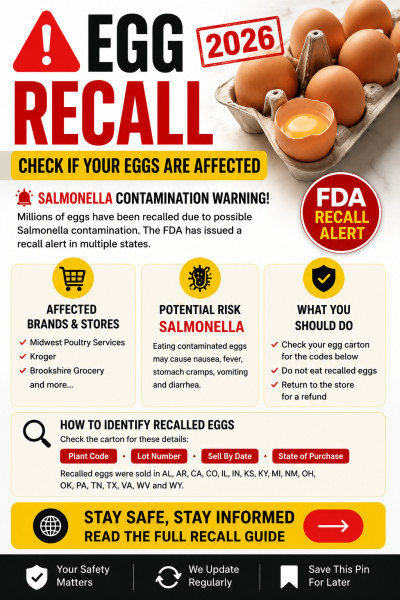
In the fluorescent glare of the briefing room, Emily Metz, president and chief executive of Midwest Poultry Services. L.P, stood before a sea of cameras. The hum of phones buzzing in pockets filled the air as she delivered the news: a recall for nearly 1.6 million dozen eggs, or around 19 million individual eggs, had just been upgraded to the highest risk warning by the FDA. The eggs, both white and brown cage-free, were potentially contaminated with Salmonella Enteritidis.
Millions of Eggs Recalled: Midwest Poultry Services Faces Scrutiny
The recall, initially announced by Midwest Poultry Services in late July, has now been escalated to a Class I designation, the FDA's highest risk classification. This designation indicates that there is a reasonable probability that the use of or exposure to a violative product will cause serious adverse health consequences or death. The eggs, produced in Texas, were distributed under various brand names, making it a widespread concern for consumers and retailers nationwide.
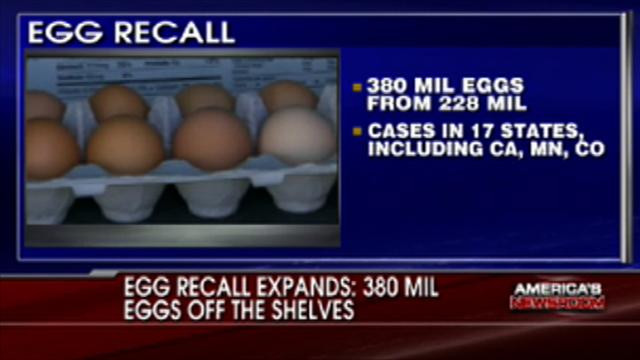
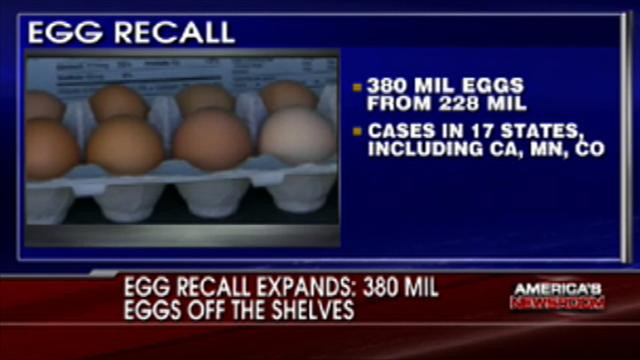
The outbreak has already caused 98 illnesses and 26 hospitalizations across 17 states. The FDA has been diligently working to trace the source of the contamination, which remains a critical step in preventing further spread of the Salmonella Enteritidis outbreak.
Emily Metz, in her statement, emphasized the company's commitment to food safety and transparency. "We are taking this situation very seriously. Our top priority is the health and safety of our customers," Metz stated. Despite these assurances, the public's trust in the safety of their food supply remains shaken.
In the face of this crisis, Midwest Poultry Services is working closely with the FDA to ensure all affected products are removed from store shelves and distribution channels. The recall affects a variety of brands, which has complicated the process of identifying which eggs are safe to consume.
The Impact on Public Health and Consumer Confidence
The recall has sent ripples through the food industry, affecting not only the immediate consumers but also the broader supply chain. Retailers and food service providers are scrambling to check their inventory and verify that they are not holding any of the recalled products. This includes grocery stores, restaurants, and institutional food suppliers, all of which are critical for public health and consumer safety.
The FDA Class I recall is a stark reminder of the vulnerabilities in the food supply chain. Public health officials are urging consumers to check their refrigerators and pantries for any of the affected brands and to discard any eggs that may be part of the recall. The FDA has issued a list of affected brands and lot codes, which can be found on their website.
The recall has also highlighted the broader issue of foodborne illnesses in the United States. Salmonella is a common and often severe foodborne pathogen, and outbreaks such as this one underscore the need for vigilant oversight and strict safety standards. The FDA's intervention in this case is crucial for containing the spread and protecting public health.
The Road to Recovery: What Lies Ahead for Midwest Poultry Services and the Public
As the investigation continues, Midwest Poultry Services is under intense scrutiny. The company must work to regain consumer trust and ensure that such a widespread contamination does not happen again. This includes implementing stricter safety protocols, conducting thorough audits, and maintaining transparent communication with the public.
For the public, the recall serves as a wake-up call to be more vigilant about the food they consume. Checking expiration dates, ensuring proper storage, and staying informed about recalls and food safety alerts are crucial steps in protecting personal health. With the FDA's highest-risk warning in place, the outbreak and the recall could still have repercussions for weeks to come.
In the end, the true impact of this widespread recall will be measured not just in the number of eggs recalled, but in the broader implications for food safety and public health. As the investigation unfolds, one question remains: how will Midwest Poultry Services and the broader food industry respond to this crisis, and what changes will be implemented to prevent such outbreaks in the future? This ongoing egg recall saga will continue to unfold in the coming weeks, with public health and consumer confidence hanging in the balance.
How does this story make you feel?
 Up next · HealthDolly Parton’s Absence from Dollywood Event Sparks Health Concerns