Salmonella-Free Eggs: A Recall Crisis Unfolds in the US

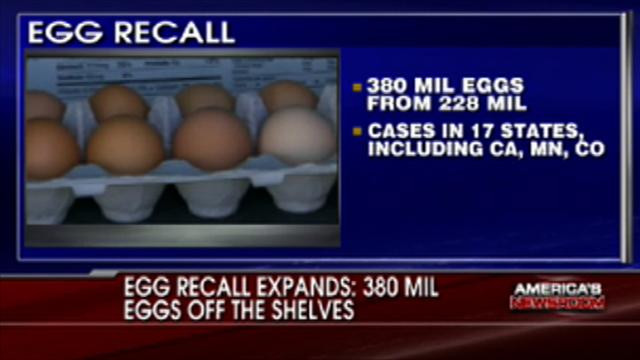
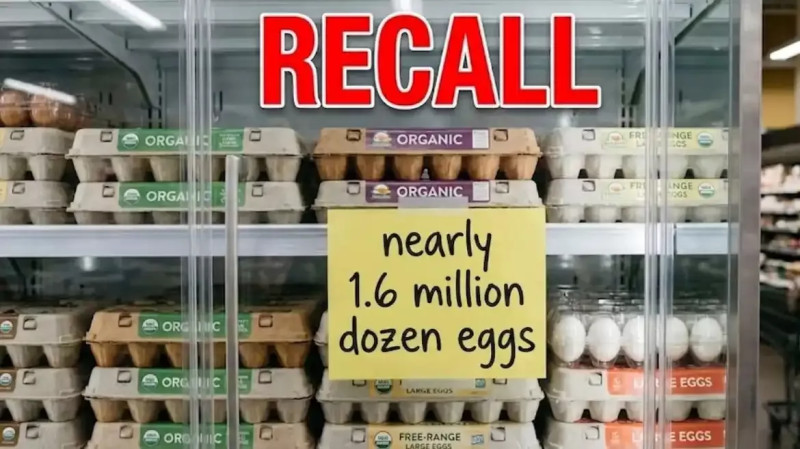
A sense of urgency filled the fluorescent-lit halls of Midwest Poultry Services. The hum of phones buzzing in pockets and the rapid-fire clicks of keyboards, along with the tension in the air, indicated a significant public health crisis was unfolding — a recall of nearly 1.6 million cartons of eggs due to potential salmonella contamination.
The Scope of the Recall: A Nationwide Concern
The recall, initiated by Midwest Poultry Services, L.P., covers an extensive range of products, including white shell eggs and brown cage-free shell eggs. This massive recall, affecting approximately 19 million individual eggs, has raised alarms across the nation. The eggs were produced in Texas and distributed across the United States, reaching consumers in various states.
— The FDA has been working closely with Midwest Poultry Services, L.P., to identify all affected products and ensure public safety.
The recall specifically impacts eggs sold in bulk and retail sizes, including 6, 12, 18, 24, 30, 36, and 60 egg packages. The sell-by and best-by dates range from July 20, 2026, to August 17, 2026, indicating that many consumers may still have these eggs in their homes. The recall's extensive reach underscores the importance of public awareness and vigilance.
The Public Health Impact: A Growing Concern
As of now, nearly 100 people have been infected with salmonella, which has been linked to the recalled eggs. This outbreak has affected 17 states, highlighting the widespread impact of this food safety issue. The Food and Drug Administration (FDA) has been closely monitoring the situation and providing updates to the public. The FDA urges consumers not to eat, sell, or serve the recalled eggs, emphasizing the importance of food safety measures.
The CDC and FDA are collaborating to investigate the outbreak and provide public health guidance. The CDC has issued a warning to avoid consuming the recalled eggs and to check for any affected products in homes and businesses. The outbreak serves as a reminder of the ongoing threat of foodborne illnesses and the need for vigilant food safety practices.
The Public Response: Information and Prevention
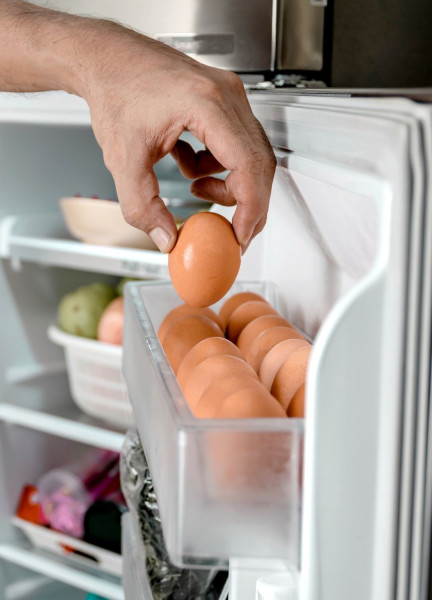
The public response to the recall has been swift, with many consumers and businesses taking immediate action to remove the affected eggs from their inventory. The FDA has provided detailed information on how to identify the recalled products, including specific codes and labels. Consumers are advised to check their fridge for any of the affected eggs and return them to the place of purchase for a refund.
— "This recall highlights the critical role that public health agencies play in ensuring food safety. It's essential for consumers to stay informed and take proactive steps to protect their health," said a representative from the FDA.
Consumers are also encouraged to follow proper food handling and storage practices to reduce the risk of foodborne illnesses. This includes washing hands thoroughly before and after handling raw eggs, cooking eggs to the appropriate temperature, and refrigerating eggs promptly. These measures are essential to prevent the spread of salmonella and other foodborne pathogens.
Midwest Poultry Services, L.P. has been cooperative in the recall process, working diligently to address the issue and ensure the safety of the public. The company has issued a statement expressing its commitment to food safety and customer well-being, stressing the importance of public awareness and vigilance in preventing foodborne illnesses.
To the frustration of many, the FDA has yet to identify the specific source of the contamination, leaving many to wonder about the robustness of the nation’s food safety protocols and what more could have been done to prevent this widespread outbreak.
How does this story make you feel?
 Up next · HealthFDA Class I Egg Recall: The Deadly Salmonella Contamination Crisis