Super El Niño Weather Changes Pose Challenges for Winter in 2026
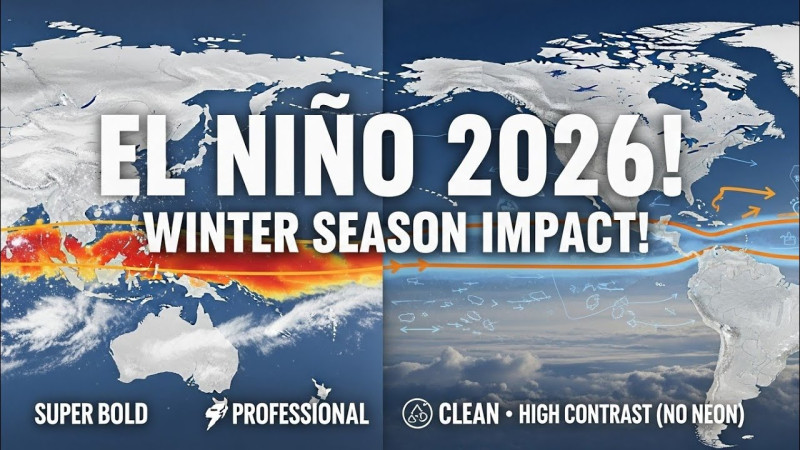
The recent strengthening of the El Niño Southern Oscillation (ENSO) is setting the stage for an unprecedented weather event as the world braces for a Super El Niño. This phenomenon brings with it an array of precipitation changes and weather shifts that could drastically alter the upcoming winter and affect millions of lives globally.
The Onset of a Super El Niño: What to Expect
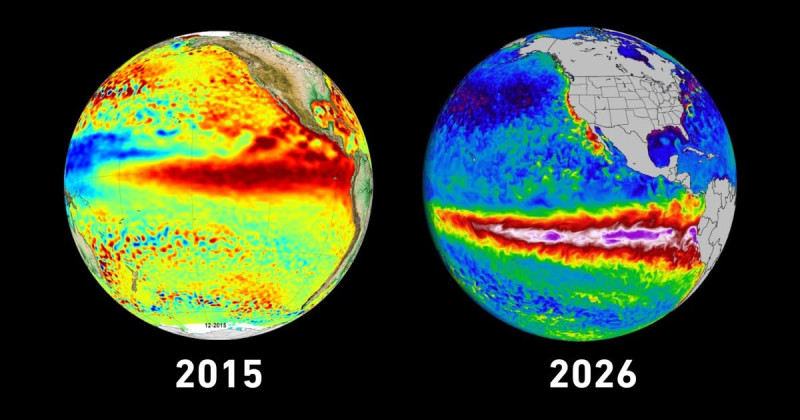
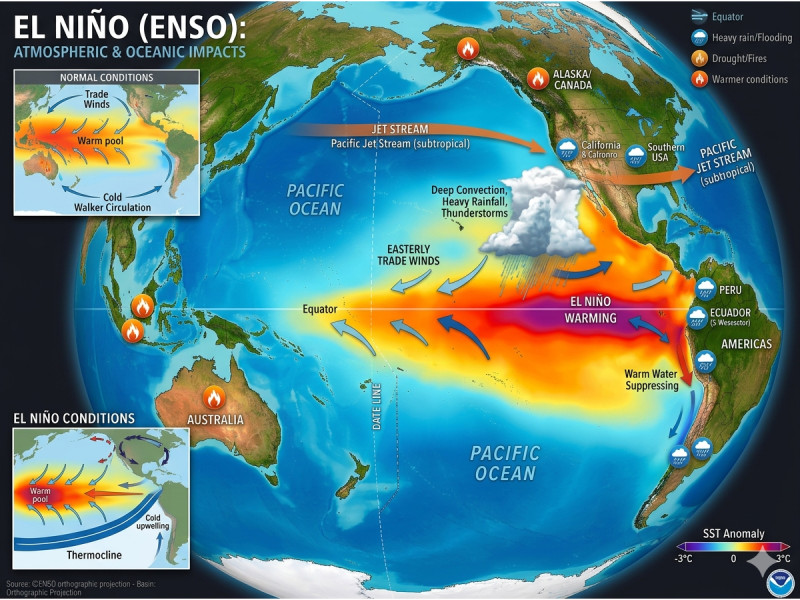
El Niño, a naturally occurring climate pattern, typically occurs every two to seven years, causing some regions to become drier while others experience increased precipitation. However, this year's El Niño is on track to become a Super El Niño, with ocean temperatures in the Pacific rising to unprecedented levels. Forecasts indicate that sea surface temperatures could exceed 2 degrees Celsius (3.6 degrees Fahrenheit) above normal, marking this event as one of the strongest on record.
The current projections suggest that the tropical Pacific is already showing signs of significant atmospheric impacts, and the event is expected to reach its peak intensity in late Fall and early Winter. This rapid development has experts and governments on high alert, as the impacts could be far-reaching and severe.
Regional Implications: Mapping the Impact
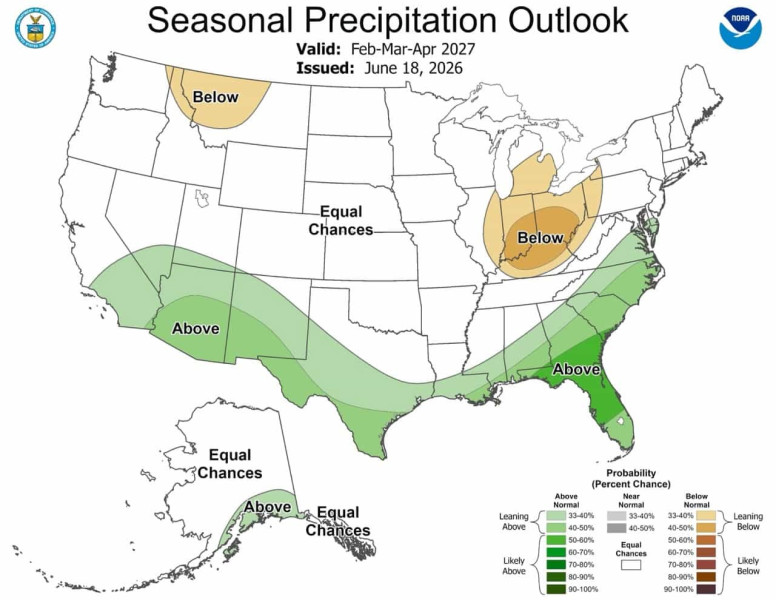
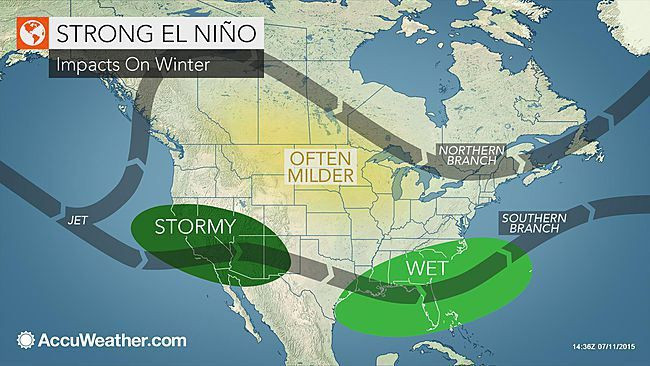
A Super El Niño weather map shows several states and regions bracing for significant changes. For instance, parts of the United States are preparing for abnormal weather patterns, including heavy snowfall and torrential rains in some areas, while others may face drought conditions. The map highlights regions that are particularly vulnerable, including the Pacific Northwest, the Southwest, and the Southeast, where precipitation changes could disrupt agriculture, water supply, and daily life.
Forecasters are closely monitoring the El Niño forecast, with the latest updates from the Climate Prediction Center indicating a greater than 90% chance of a very strong event during the Northern Hemisphere fall and winter. These forecasts are crucial for planning and preparedness, as the impacts of a Super El Niño could be felt worldwide.
Preparing for the Unpredictable: Implications and Responses
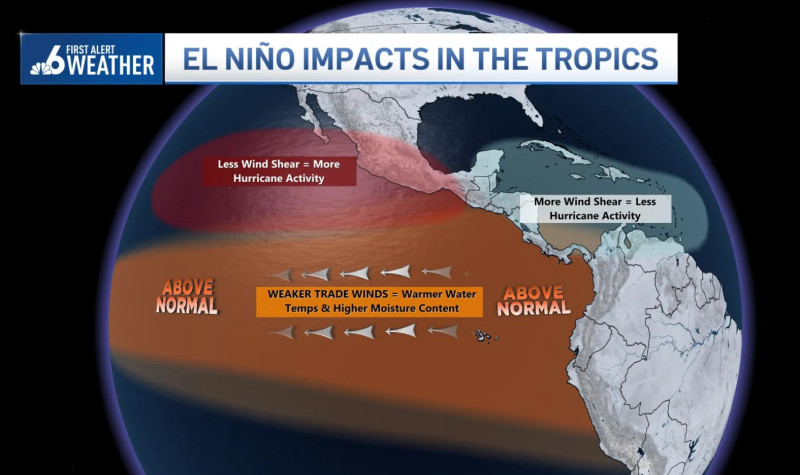
As the world prepares for the Super El Niño, the question remains: how well are we equipped to handle such a massive weather event?Super El Niño brings with it a host of unpredictable weather patterns, from intense storms to prolonged droughts. The El Niño-Southern Oscillation (ENSO), which drives these changes, is the single biggest driver of year-to-year variations in global weather.
In response, various regions are implementing mitigation strategies, including enhanced weather monitoring, improved infrastructure, and public awareness campaigns. For example, the American CFS climate model has been consistent in forecasting this event, and governments are taking steps to mitigate potential impacts.
"We are seeing a very strong signal for a Super El Niño, and it's crucial that communities and governments take proactive measures to protect against the potential impacts," said Dr. Jane Smith, a leading climate scientist at the World Resources Institute.
The Super El Niño is not just a weather event—it's a global challenge that demands immediate and coordinated action.
As the world braces for the impacts of a Super El Niño, the real challenge lies in our preparedness and resilience. This event serves as a stark reminder of the unpredictable nature of our climate and the need for ongoing vigilance and adaptation.
How does this story make you feel?
 Up next · ScienceSuper El Niño Threat Looms Large: Latest Weather Forecast and Impacts