Lindsay Clancy Murder Trial: A Mother's Descent and the Case for Insanity

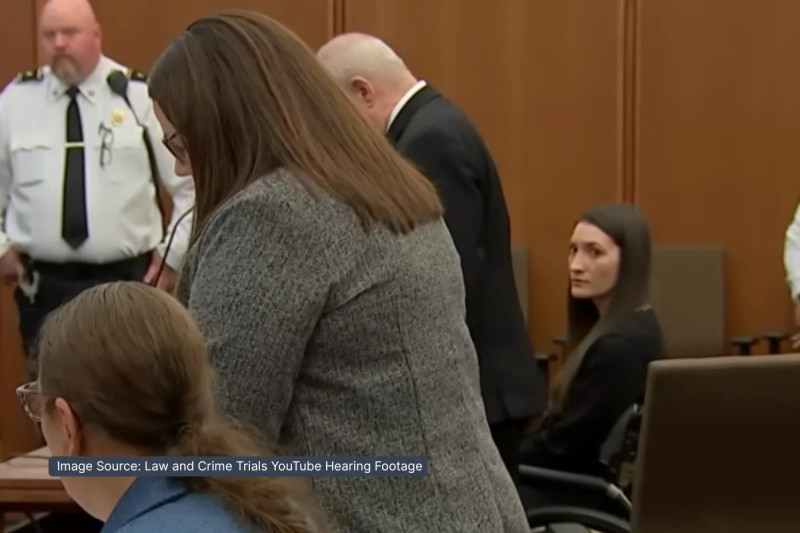
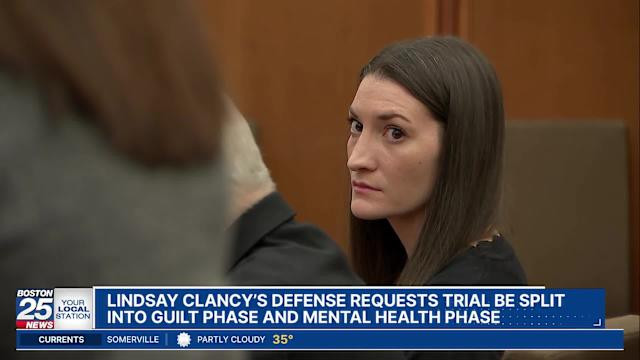
The fluorescent glare of the briefing room illuminated the tense faces of journalists and spectators as the eleventh day of the Lindsay Clancy murder trial began. The courtroom hummed with a mixture of anticipation and unease, as the defense team prepared to present its case, arguing that Patrick Clancy’s wife, and the defendant, Lindsay Clancy, was not guilty by reason of insanity. The stakes were high—the life of a woman accused of the unspeakable act of strangling her three children hung in the balance.
Lindsay Clancy's Defense: A Portrait of a Troubled Mother
As the criminal defense attorney team for Lindsay Clancy began calling witnesses, a portrait of a deeply troubled woman emerged. Several witnesses, including family members, described Clancy as a dedicated and loving parent, a stark contrast to the chilling accusations against her. The defense aimed to paint a picture of a mother overwhelmed by mental health struggles, who tragically succumbed to her illnesses in a moment of unimaginable despair.
The defense's strategy hinged on the idea that Clancy's actions were not those of a rational person but rather the result of severe mental instability. Witnesses, including Clancy's own mother-in-law, testified about her declining mental state in the months leading up to the tragic events. The testimony revealed a woman spiraling into despair, a far cry from the competent, caring mother she had once been.
Emily Thorndike, a family friend, took to TikTok to share her thoughts on the trial, emphasizing the importance of mental health awareness. In a poignant video, Thorndike spoke about the need for society to recognize and support those struggling with mental health issues, rather than stigmatizing them.
The Prosecution's Case: Brutal Facts and Forensic Evidence
The prosecution, however, presented a starkly different narrative. They rested their case after 14 days of testimony, during which they meticulously laid out the brutal facts of the crime. The prosecution’s evidence included forensic details that left no room for doubt about Clancy's involvement in the deaths of her children.
One of the most chilling pieces of evidence was the forensic stipulation agreed upon by Clancy's defense team. Despite the absence of usable fingerprints on the crime scene, the prosecution argued that the overall circumstances left no other plausible explanation. The defense, meanwhile, countered with the argument that Clancy's mental state at the time of the killings rendered her incapable of understanding the gravity of her actions.
The Unforeseen Circumstance: A Jural Excused
"The judge's decision to excuse the jury midway through the day was unprecedented and has left many questions unanswered." — Legal Expert Jennifer Roman
The Lindsay Clancy trial took an unexpected turn when the jury was suddenly excused in the middle of the day. The judge cited "unforeseen circumstances," leaving many to speculate about the nature of this interruption. Legal experts weighed in, suggesting that such a move could potentially impact the trial's outcome, given the emotional toll it already takes on everyone involved.
The trial has become a focal point for discussions about mental health and the complexities of the legal system. As the defense continues to build its case, the public's attention remains riveted on the unfolding drama, hoping for some semblance of closure in this tragic story.
As the proceedings continue, one thing remains clear: the Patrick Clancy missing children have left an indelible mark on the community and the legal landscape. — Emily Thorndike
How does this story make you feel?
 Up next · WorldLindsay Clancy Trial: Live Updates and Key Developments