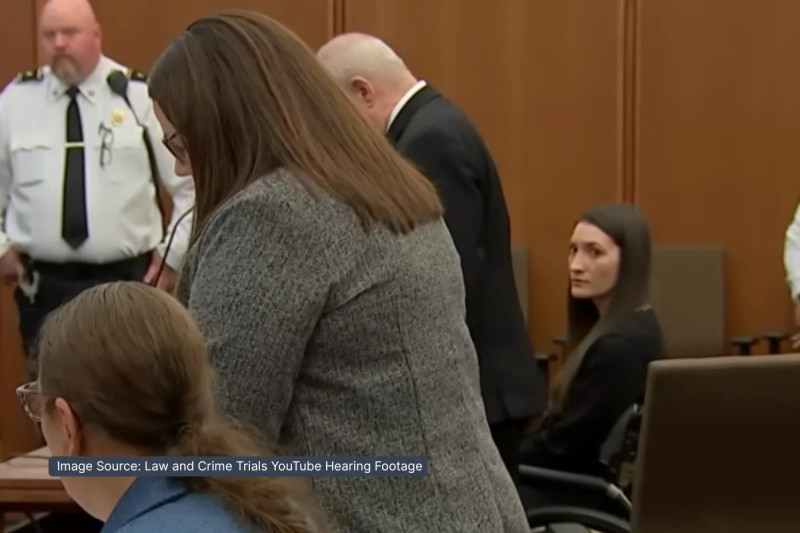
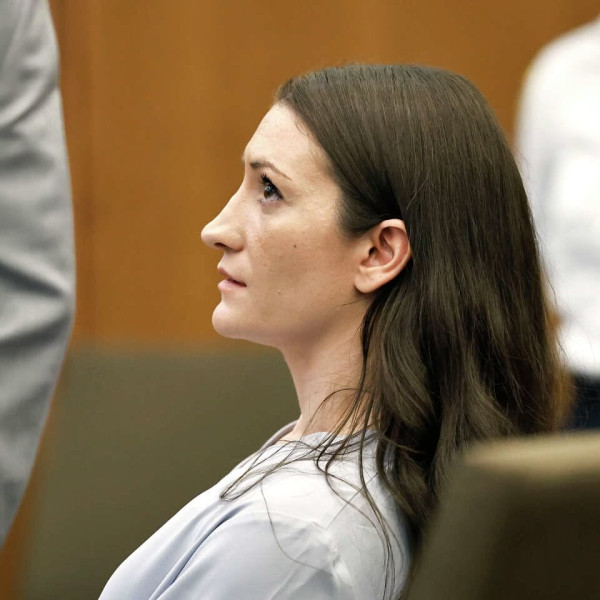
Lindsay Clancy Trial Day 17: Judge Dismisses Jury Early
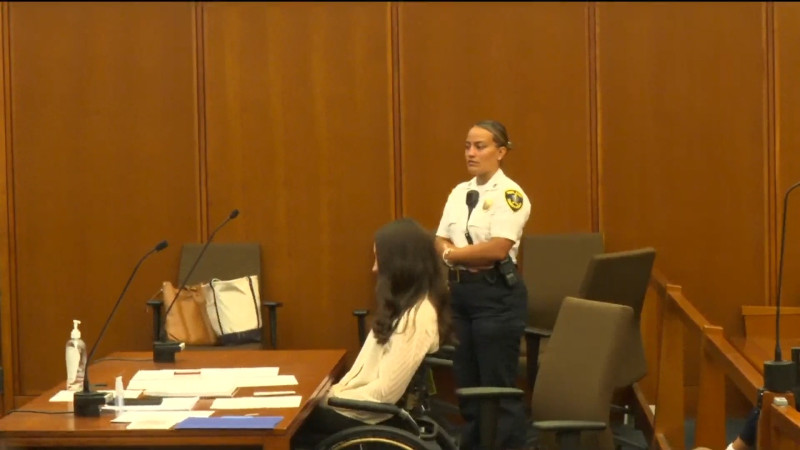
The courtroom drama of the Lindsay Clancy trial continues to unfold in Massachusetts, with the trial entering a critical phase. The defense has begun calling witnesses to argue that Lindsay Clancy, 36, was not criminally responsible for the deaths of her three children. In a surprising turn, the jury was dismissed early yesterday, leaving the proceedings in flux. This development adds to the mounting tension and speculation surrounding the case.
Judge Dismisses Jury Early: Unforeseen Issues
On a day when some anticipated a big breakthrough, Judge William Sullivan sent the jury home in the case of Lindsay Clancy trial. The courtroom, already abuzz with the prosecution's recent completion of their case, was left in suspense as Sullivan cited an "unforeseen circumstance" for the abrupt adjournment. The defense, which has been presenting its case, now finds itself navigating an extended window of uncertainty.
The judge's decision to dismiss the jury early comes as a stark reminder of the unpredictable nature of the legal proceedings. Sullivan, known for his meticulous handling of high-profile cases, had previously indicated that the defense would be calling key witnesses, including those who described Clancy as a dedicated and loving parent. This mix of expected and unexpected elements has kept observers on the edge of their seats.
Defense Strategy: Expert Testimony and Insanity Plea
Clancy, who has pleaded not guilty to the murders of her children, 5-year-old Cora, 3-year-old Dawson, and 8-month-old Callan, is facing a complex legal battle. Her defense team is poised to argue that Clancy was not criminally responsible for the deaths. The strategy hinges on establishing that Clancy was either experiencing a mental breakdown or had a diminished capacity to understand the gravity of her actions due to postpartum psychosis.
The trial has underscored the challenges faced by prosecutors in proving criminal responsibility. Legal experts suggest that the defense's insanity plea could sway the jury’s perception of the case. The defense’s arguments have included testimonies from experts who have tried to paint a picture of Clancy's mental state at the time of the killings.
Yesterday, day 17 of the Lindsay Clancy murder trial began with the defense calling what could be one of its final witnesses. The prosecution, which has already presented extensive evidence, is now watching closely as the defense makes its case. The atmosphere in the courtroom has been described as tense, with the defense aiming to build a narrative that could potentially lead to a not guilty by reason of insanity verdict.
One of the key issues for the defense is to highlight the severity of Clancy's mental health struggles. Witnesses have described Clancy’s mental state leading up to the tragic event, painting a picture of a woman grappling with severe emotional turmoil. According to available reports, Clancy has been portrayed as a devoted mother who was suffering from a debilitating condition.
"This case underscores the complexities of mental health and criminal responsibility," commented a legal expert, noting the delicate balance the defense must maintain in presenting their arguments.
The ongoing trial has also brought to light the broader implications of postpartum psychosis and the need for better understanding and support for new mothers.
Live Updates and Public Interest
The Lindsay Clancy trial has captured national attention, with live updates being closely followed by the public. The case has sparked intense debate about mental health, parental responsibility, and the legal system's handling of such cases. The emotional toll on all parties involved—including the families, legal teams, and the broader community—cannot be overstated.
As the trial continues, the focus remains on the intricate dance between the prosecution and defense. The defense must carefully craft their narrative to sway the jury, while the prosecution aims to counter with evidence that demonstrates Clancy’s criminal responsibility. The outcome of this trial will not only shape the legal landscape but also serve as a poignant reminder of the fragility of human life and the complexities of mental health.
In a trial where the stakes are nothing less than a mother's freedom and a family's shattered future, the Lindsay Clancy trial stands as a stark reminder of the profound impact of mental health on our lives. With the jury now dismissed for the day, the tension in the courtroom remains palpable, setting the stage for the next pivotal moments in this gripping legal drama.
How does this story make you feel?
 Up next · WorldDay 11 of Clancy Trial Focuses on Mental Health and Medication Concerns