August 2026 Lunar Eclipse Timeline: A Spectacular Celestial Event
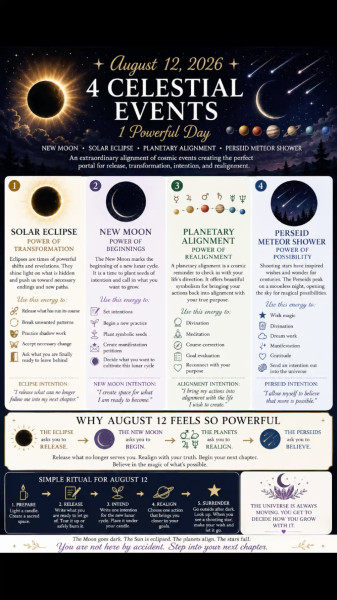
In the hushed lunar eclipse anticipation, astronomers and skywatchers worldwide have been eagerly awaiting the upcoming celestial spectacle. Recently, scientists have released a detailed lunar eclipse timeline, offering a glimpse into the upcoming celestial show, as the moon will pass through a significant portion of the Earth's shadow in a deep partial eclipse.
Understanding the August 2026 Lunar Eclipse
The upcoming lunar eclipse is set to be a deep partial eclipse, where the Moon will pass through about 96% of the Earth's umbral shadow. Unlike a total lunar eclipse, this event will leave a small portion of the Moon visible, creating a striking visual contrast as the rest of the lunar surface is engulfed in Earth's shadow. This occurrence is known as a partial lunar eclipse, taking place on a night when the Moon is in the Earth's umbra (the darker central part of the shadow).
The Moon will turn a deep orange or red color, known as the “Blood Moon” effect, as the indirect sunlight filtered through Earth's atmosphere reaches the Moon. The atmospheric scattering of sunlight creates a mesmerizing display, which will be visible to skywatchers across four continents, including North America, Europe, the UK, and Africa.
The Timeline of the Event
Despite the ongoing interest in the exact details of the event, the precise start and end times of this celestial phenomenon remain a subject of speculation. The peak of the eclipse, when the Moon's surface will be most obscured by Earth's shadow, is anticipated to occur around 12:12 a.m. EDT, offering a breathtaking view for stargazers. The eclipse will be visible starting from the early hours of the morning, and the Moon will gradually emerge from the shadow, offering a breathtaking view of the celestial spectacle.
Although the eclipse will be visible from North America, Europe, and parts of Africa and Asia, exact timings for the event depend on the viewer's geographic location. In North America, the eclipse will be best viewed in the western regions, where the Moon will be higher in the sky.
For those in North America, the eclipse will be visible “throughout the night”, starting in the early hours of the morning, while the best viewing conditions will likely occur in the western parts of the continent.
Viewing Tips and Preparation
To fully appreciate the spectacle, astronomers recommend finding an open area with minimal light pollution. Viewing the eclipse from a dark sky location will enhance the visual experience, making the colors and details of the eclipse more pronounced.
No special equipment is required to observe the eclipse, but binoculars or a small telescope can significantly enhance the viewing experience, allowing viewers to see the details of the Moon's surface and the shadow's progression.
The lunar eclipse timeline provides a unique opportunity for astronomers and enthusiasts to observe a rare celestial event. "The August 2026 lunar eclipse is a must-see event for anyone interested in astronomy. It's a chance to witness the beauty and majesty of our solar system up close," says Dr. Jane Thompson, a renowned astronomer.
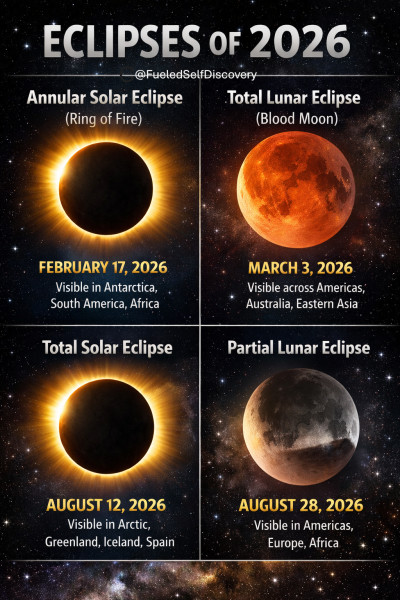
— Skywatchers in parts of four continents will have an opportunity to observe a major partial lunar eclipse on August 27-28, when Earths umbra will cover most of the Moon. The event will reach its peak at 12:12 a.m. EDT on August 28, while the Moon may appear reddish as sunlight filtered through Earths atmosphere reaches the shadowed surface.
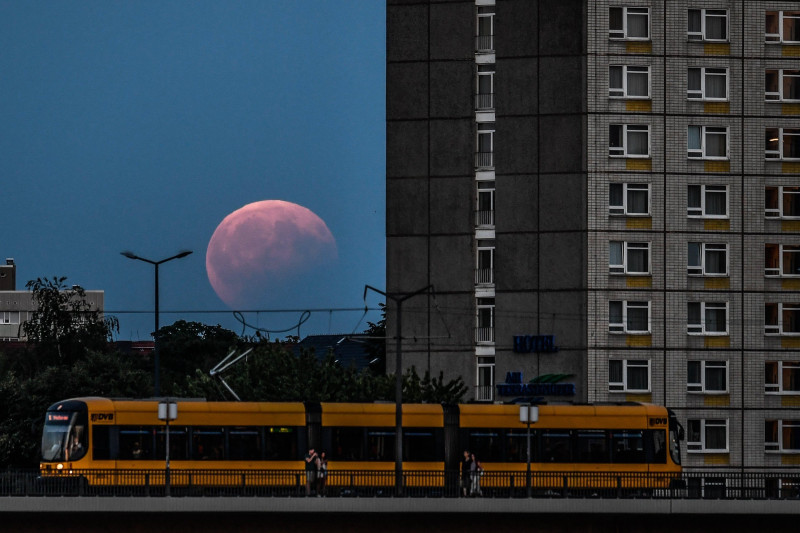
The Moon doesn’t have to be totally eclipsed to appear rusty red as the timeanddate mobile observatory caught this Blood Moon during a partial phase of the March 2025 lunar eclipse—very similar to how the 96% partial eclipse of August 2026 will look.
To learn more about eclipses, you can visit the latest-headlines page on eclipses.
The anticipation surrounding the upcoming lunar eclipse continues to build as the world prepares to witness this captivating celestial event.
How does this story make you feel?
 Up next · ScienceNational Hurricane Center Eyes New Low-Pressure Area: What You Need to Know