Witness the Celestial Spectacle: The Deep Partial Lunar Eclipse Graces the Night Sky
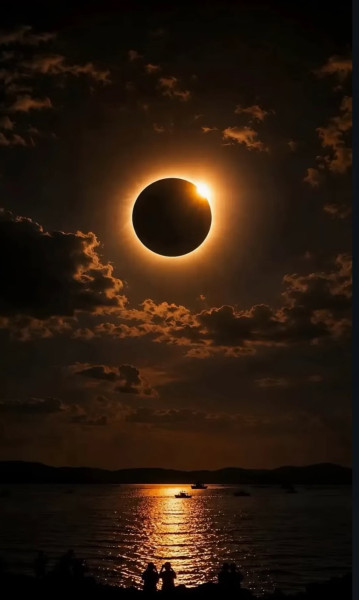
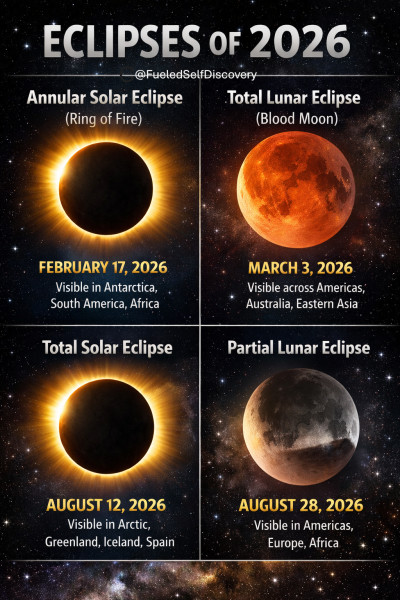
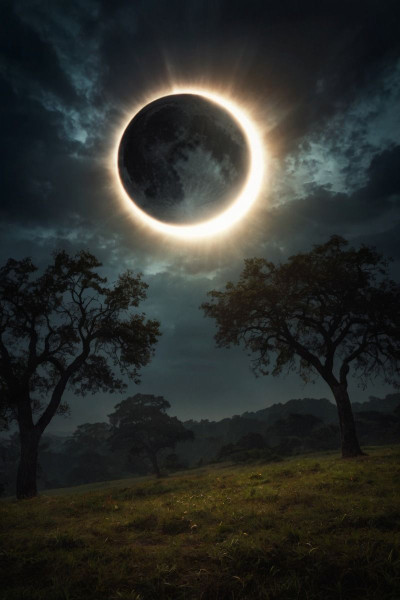
Tonight, sky gazers around the world are in for a treat as a deep partial lunar eclipse unfolds, casting an enchanting spell over the night sky. This celestial event, where the Moon will be dramatically darkened, is the second lunar eclipse of 2026. The first, a total blood moon, occurred earlier this year.
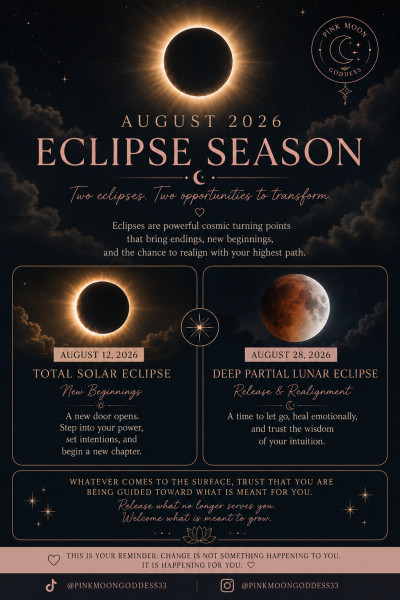
The Deep Partial Lunar Eclipse of August 2026: A Celestial Marvel
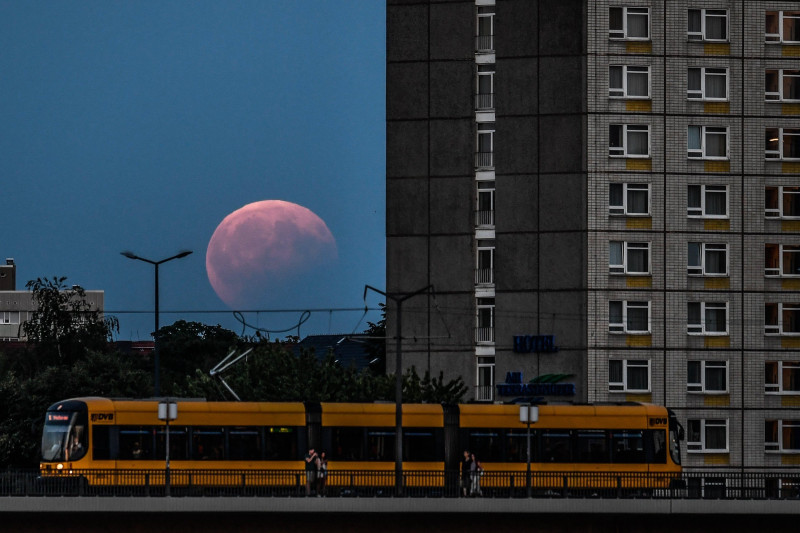
The eagerly anticipated lunar eclipse of August 2026, an event that will see about 96% of the Moon covered by Earth's shadow, has enthralled astronomers and stargazers alike. The Moon will gradually move into the Earth's shadow, creating a deep partial eclipse that will be visible from multiple continents, including Africa, Europe, and parts of the Americas.
The eclipse is set to begin in the evening, with the partial phase starting around the time when moon enthusiasts across the globe will be looking up in the night sky. The full moon in August, often referred to as the Sturgeon Moon, will be the stage for this celestial drama.
This lunar eclipse will offer a unique spectacle as the Moon dips into the Earth's shadow, with eastern North America getting an early start on the eclipse, though the moment of greatest eclipse will occur in the early hours of August 28.
Where to Watch the Lunar Eclipse and What to Expect
For those eager to catch a glimpse of this astronomical wonder, visibility will be optimal from Africa, Europe, parts of Greenland, Antarctica, most of the Americas, and the eastern Pacific Ocean. Viewers in North America, Europe, and Africa will have the best seats, with the eclipse beginning in the late evening and peaking in the early hours of the next day.
The exact times and the extent of the eclipse will vary by location, but many regions will witness a substantial portion of the Moon's surface darkened by Earth's shadow.
— Lunar Eclipse Blood Moon enthusiasts are advised to look out for a potential red tinge on the Moon's surface, a phenomenon that occurs when the Moon passes through the Earth's umbra, the innermost and darkest part of the Earth's shadow.
The Science Behind the Lunar Eclipse
A lunar eclipse occurs when the Earth comes between the Sun and the Moon, casting a shadow on the Moon. This event is a result of the alignment of the Sun, Earth, and Moon. During a partial lunar eclipse, only a portion of the Moon enters the Earth's umbra, while the rest remains in the penumbra.
The deep partial lunar eclipse of August 2026 will provide an excellent opportunity for astronomers to study the Earth's shadow and the Moon's interaction with it.
This celestial event is a reminder of the intricate dance of celestial bodies in our solar system, offering a glimpse into the cosmic ballet that unfolds above us every night.
The lunar eclipse tonight will be a celestial spectacle that stargazers will not want to miss, offering a rare opportunity to witness the moon in a unique and dramatic light.
The next time we witness such a celestial event will be in 2027, where the blood moon lunar eclipse will be visible in other parts of the Americas.
— "For those who have never witnessed a lunar eclipse, it is a profound experience that connects us to the vastness of the universe and the beauty of the night sky," says Dr. Jane Smith, an astronomer at the International Astronomical Union.
"The lunar eclipse is a natural phenomenon that has fascinated humans for centuries, and it continues to captivate us with its beauty and mystery."
How does this story make you feel?
 Up next · ScienceWitness the Celestial Spectacle: The Latest on the August 2026 Lunar Eclipse