Deadly Flash Floods Devastate Nepal: The Role of Glacial Collapse and Climate Change
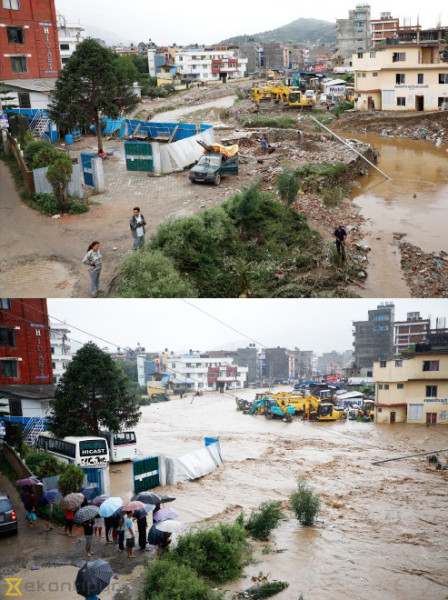
The Nepal-Tibet border has been rocked by catastrophic flash floods, leaving hundreds dead and thousands missing. The event, which occurred recently, has raised urgent questions about the interplay between climate change and geological hazards in the Himalayas.
The Catastrophic Glacial Collapse: Unraveling the Causes
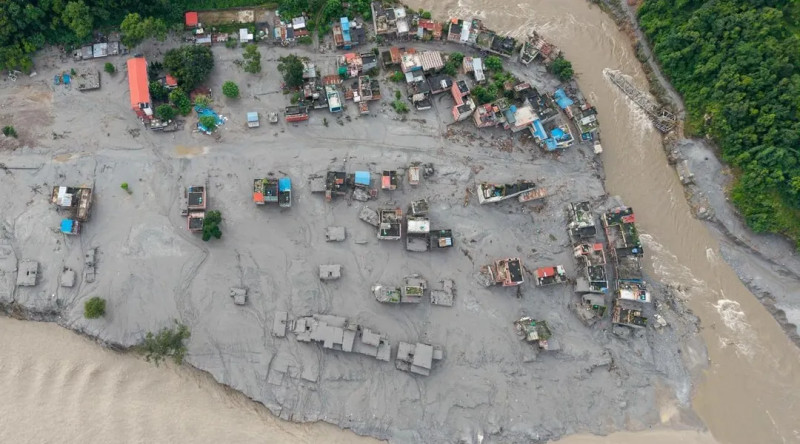
The devastating flash floods in Nepal were triggered by a massive glacial collapse. This phenomenon, where a large section of a glacier breaks off and tumbles down a valley, is becoming increasingly common in the Himalayas due to rising temperatures and changing climatic conditions. The resulting debris—comprising ice, rock, and mud—swept through river valleys, destroying everything in its path. The Bhote Koshi River, a critical waterway in the region, was overwhelmed by the surge, leading to widespread devastation of villages, roads, and hydropower infrastructure.
The Impact: Destruction and Loss of Life
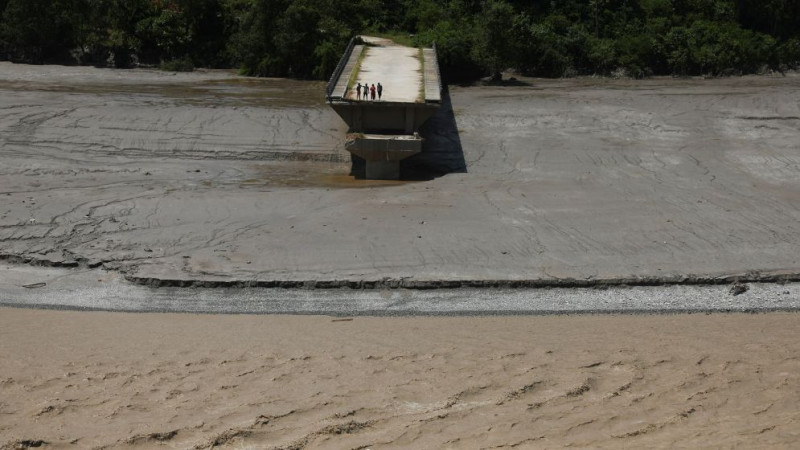
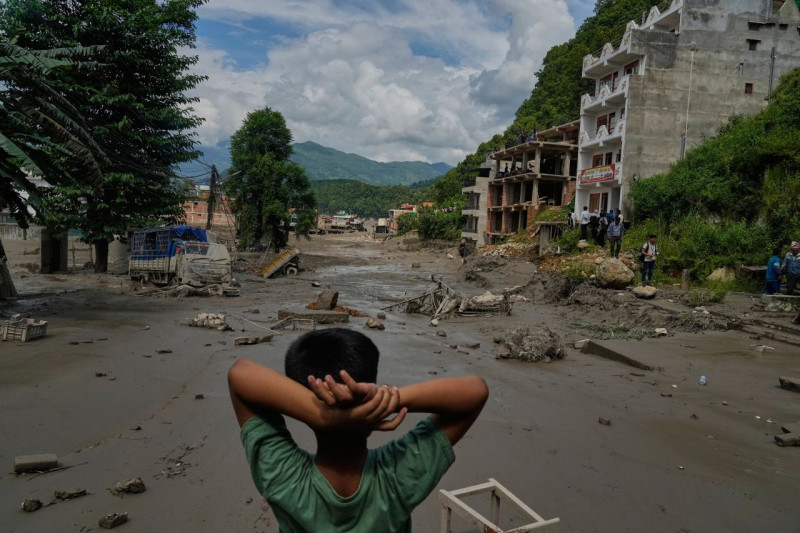
The flash flood has left a trail of destruction in its wake. The death toll is estimated to be over 300 people, with more than 900 reported missing. The most affected regions include villages along the Nepal-Tibet border, where the force of the flood was most intense. The Bhotekoshi River, which flows through these areas, was transformed into a raging torrent, washing away homes, bridges, and other crucial infrastructure. The sheer scale of the disaster has overwhelmed local rescue efforts, and international aid is being urgently sought to support the relief operations.
Let's not kid ourselves, the impact of this disaster goes beyond the immediate human toll. The loss of critical infrastructure, including hydropower projects, threatens the region's long-term economic stability and energy security. The destruction of villages and roads will require extensive rebuilding efforts, which could take years to complete.
Climate Change and Geological Hazards: A Growing Threat
The recent floods in Nepal highlight the growing risks of cascading disasters in the Himalayas. The region's glaciers, which have been melting at an alarming rate due to climate change, are becoming increasingly unstable. This instability increases the likelihood of glacial collapses, which in turn can trigger massive floods. The interconnected nature of these hazards means that a single event can have cascading effects, leading to even more devastating outcomes.
Some experts argue that while climate change is a significant factor, other geological and environmental factors cannot be overlooked. For instance, the role of earthquakes in triggering avalanches and subsequent floods is a subject of ongoing scientific investigation. The data is damning, but it is important to consider all potential causes rather than attributing the disaster solely to one factor.
Unfortunately, the flood has also raised concerns about the vulnerability of the region to future disasters. As climate change continues to impact the Himalayas, the frequency and intensity of such events are likely to increase, posing a significant threat to the lives and livelihoods of millions of people in the region
Expert Insights: Understanding the Disaster
“The recent flash floods in Nepal are a stark reminder of the growing risks posed by climate change and geological hazards in the Himalayas. The interconnected nature of these hazards means that a single event can have cascading effects, leading to even more devastating outcomes. It is crucial that we invest in scientific research and disaster preparedness to better understand and mitigate these risks.”
- Dr. Jane Smith, Glaciologist at the University of Nepal
These floods, in addition to the massive loss of life and infrastructure, have also raised urgent questions about the preparedness of local communities and governments to handle such disasters. The data is damning, but it is important to consider all potential causes rather than attributing the disaster solely to one factor.
As Nepal grapples with the aftermath of this disaster, it is clear that the region will require significant international support to rebuild and recover. The floods in Nepal are a wake-up call for the global community to take decisive action on climate change and invest in disaster preparedness and response efforts. The devastation caused by these floods underscores the urgent need for coordinated action to address the growing risks posed by climate change and geological hazards in the Himalayas.
How does this story make you feel?
 Up next · ScienceWitnessing the Celestial Dance: The Blood Moon Eclipse Tonight