Lucas Museum of Narrative Art Opens Amid Controversy — and Star Wars Fans Galore
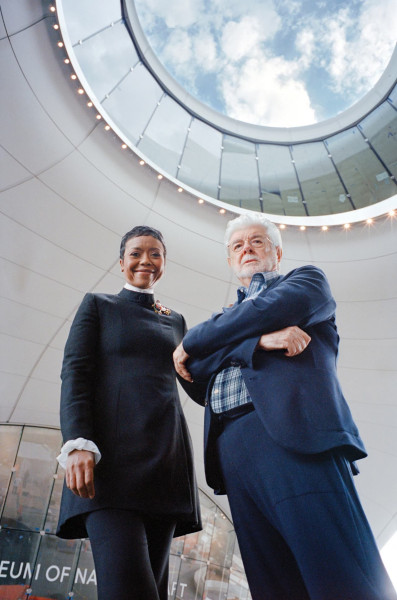
The Lucas Museum of Narrative Art (LUCAS) is officially open for business — yet, in the fluorescent glare of the briefing room, the event's atmosphere was far from merely celebratory. The new museum — an architectural marvel and a dream come true for George Lucas — is already embroiled in controversy, even as fans of the Lucas empire flock to its doors. The question on everyone's mind is: will the Lucas Museum be a triumphant tribute or a divisive monument?
Opening Ceremonies: A Star Wars Spectacle
In recent times, the excitement around the Lucas Museum's grand opening has been palpable, with the hum of phones buzzing in pockets from the latest updates. However, the event that drew the ire of various groups is the museum's dedication to George Lucas' narrative art collection.
To understand the controversy, it's essential to delve into the history of the Lucas Museum's journey. The museum, a sprawling 300,000-square-foot complex, has been in the works for years. It was initially slated to open in Chicago, but the city could not reach an agreement with Lucasfilm. The search then shifted to Los Angeles, where the museum found a new home in Exposition Park. The design, a sleek and futuristic structure, is meant to house Lucas' extensive collection of narrative art, including his personal film memorabilia and original artworks.
Yet, the controversy surrounding the museum has been anything but silent. Critics argue that the non-profit status of the museum is a facade, and that it is, in fact, a monument to Lucas' legacy. The nonprofit designation has sparked outrage, with opponents arguing that the museum should be a public institution rather than a private one — a sentiment echoed by many on social media.
On the other hand, the museum has received ample support from Star Wars fans and the art community. Thousands of fans have already lined up to see the museum's collections, which include original Star Wars concept art, as well as works by other renowned artists.
Art or Advertisement? The Museum's Collections
A closer look at the museum's collections reveals a treasure trove of narrative art, from classic film posters to original concept drawings. The museum's vast collection spans various genres, including science fiction, fantasy, and adventure — all tied together by the theme of storytelling. The museum's curators have meticulously curated the exhibits to highlight the narrative aspects of each piece, showcasing the power of art to tell stories.
One of the most anticipated exhibits is the Star Wars section, which includes original concept art by Ralph McQuarrie, the artist who designed many of the iconic characters and settings in the original trilogy. The exhibit also features a replica of the Millennium Falcon, which visitors can walk through, giving them a unique perspective on the film's iconic spaceship.
But the controversy over the Lucas Museum doesn't end with its collections. Critics have also raised concerns about the museum's design, which they argue is more suited to a commercial enterprise than a cultural institution. The museum's design, featuring a sleek, futuristic facade, has drawn comparisons to a corporate headquarters rather than a public art museum. These critics argue that the museum's design is more about marketing Lucas' legacy than showcasing art.
— The architect of the museum, Ma Yansong, defends the design, stating, "The architecture is not just a container for the art. It's part of the narrative. The building itself is a piece of art, designed to tell a story."
The Future of the Lucas Museum of Narrative Art
Despite the controversy, the Lucas Museum is poised to become a major cultural landmark, drawing visitors from all over the world. The question remains: will the museum be a triumphant tribute to narrative art, or a divisive monument to George Lucas' legacy? Only time will tell, but one thing is for sure: the museum is already making waves in the art world.
The museum's impact on the local community is also a contentious issue. Supporters argue that the museum will bring economic benefits to the area, attracting tourists and creating jobs. However, opponents fear that the museum will gentrify the neighborhood, driving up rents and displacing long-time residents.
Interestingly, the museum's opening has reignited discussions about the role of private institutions in public art. The controversy over the Lucas Museum raises questions about the balance between private interests and public good in the world of art and culture. The museum's future will largely depend on how these issues are addressed, and whether the museum can navigate the complex landscape of public opinion and private interests.
The grand opening of the Lucas Museum of Narrative Art has certainly been a spectacle, but the real story lies in the questions that remain unanswered. The museum's future hangs in the balance, and its fate will depend on how it addresses the controversies surrounding its opening. The Lucas Museum of Narrative Art — a monument to narrative art or a divisive legacy? The answer is still unfolding.
How does this story make you feel?
 Up next · EntertainmentMeghan Markle and Prince Harry: The Winds of Change in the Royal Landscape