Labor Day 2026: Retail Giants' Labor Day Hours
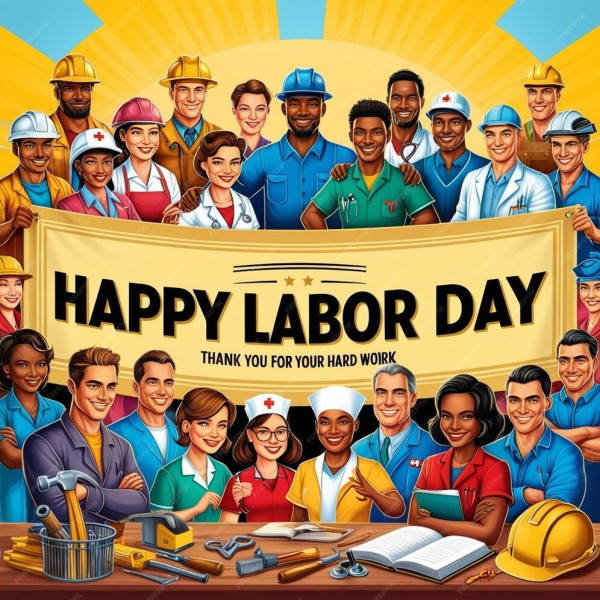
On a day where millions of Americans celebrate the contributions of workers, retail giants like Costco, Walmart, and Target are caught in a public relations balancing act. Many workers are fighting for better pay and working conditions, especially on holidays.
Retailers' Holiday Hours and Worker Policies
In past years, Costco has traditionally been open on Labor Day, with hours often starting early and closing by 6:00 PM. However, the company has recently come under scrutiny for its labor practices, particularly regarding overtime pay and staffing levels on holidays. Sam’s Club, a subsidiary of Walmart, has also faced criticism for similar reasons, with employees often feeling they have to choose between celebrating the holiday or earning a living. The trend continues this year, with Target and Trader Joe’s both opting to keep their doors open, albeit with reduced hours and often relying on part-time staff.
This year, the debate over Labor Day hours has reached a fever pitch, fueled by a series of public protests and heated discussions on social media. Workers at Costco and Walmart have been particularly vocal, stating that expecting employees to work on a day dedicated to labor is counterintuitive. The protests have gained traction, with stories of workers being denied fair compensation and adequate breaks going viral. This has led to a more widespread conversation about the changing dynamics of labor and consumerism, especially as major retailers grapple with the ethical implications of their policies.
A recent survey has shown that a significant portion of the American public supports a movement to recognize Labor Day as a day of rest for all workers across all industries, including retail. This sentiment has been bolstered by the increasing awareness of worker rights and the impact of holidays on mental health and work-life balance. Amidst this backdrop, Starbucks has also been thrust into the spotlight, with many locations expected to remain open. The coffee giant has historically been more accommodating to employee requests for holiday time, but the pressure from competitors who are facing similar labor issues has created a ripple effect. This latest development could push Starbucks to reconsider its stance, potentially leading to a broader shift in the industry.
— Workers at Sam's Club and Walmart are particularly vocal about the need for better pay and working conditions on holidays. —
The History and Controversies of Labor Day
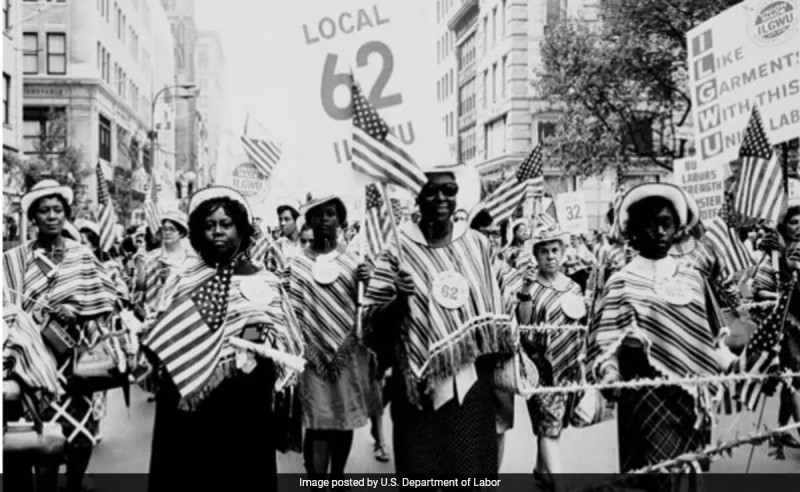
Labor Day, which started in the late 19th century, originally served as a day to honor the contributions of the American workforce. Over the years, it has evolved into a federal holiday marked by parades, family gatherings, and, more recently, massive retail sales. Companies like Costco and Walmart often use this day to attract customers with deep discounts and special offers. However, the spirit of the holiday has been questioned, especially as workers are increasingly expected to work longer hours and sacrifice their time off for the sake of customer convenience and corporate profits.
This year, Target and Trader Joe's have both taken steps to address these concerns by offering more flexible scheduling and better compensation for employees who choose to work on Labor Day. However, the effectiveness of these measures remains to be seen, as the underlying issues of labor rights and worker well-being continue to be hotly debated. The dynamic continues to evolve, with more retailers expected to follow suit in the coming years, driven by the changing expectations of consumers and the increasing pressure from labor unions and advocacy groups.
As the fight for fair labor practices continues, the future of Labor Day as a day of celebration and rest remains uncertain. The ongoing debates over pay and working conditions are likely to shape the way retailers approach the holiday in the years to come, with potential implications for the broader economy and the culture of labor in America. As we look ahead, the question remains: will retailers continue to prioritize profits over people, or will they finally listen to the calls for a more equitable and humane approach to labor? Only time will tell.
There is a lot riding on how retailers handle Labor Day this year, both in terms of public perception and the future of their relationships with their workers. The stakes are high, and the outcome will likely influence the broader conversation about labor rights and consumer behavior. As the debate continues, one thing is clear: the fight for fair labor practices is far from over.
How does this story make you feel?
 Up next · PoliticsThe Labor Day Controversy: A Shift in Perspective