Vice President Vance says U.S. conflict with Iran is not a war
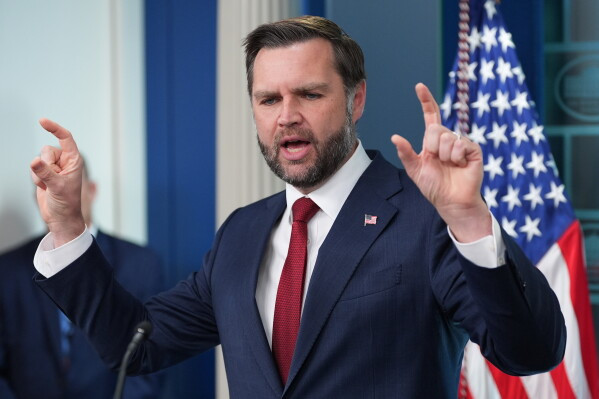
Vice President J.D. Vance stated the U.S. engagement with Iran should not be called a war, sparking debate over the administration’s strategy and messaging.
Key points
- Vance declared the conflict with Iran is not a war during a briefing with reporters.
- He has been meeting with military commanders to assess the situation.
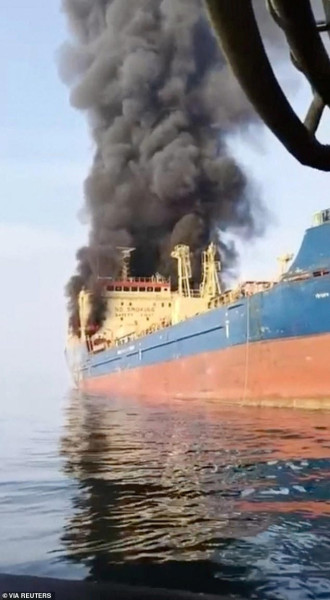
- The administration is focusing on maintaining military pressure, especially after attacks in the Strait of Hormuz.
- Vance has not set a timeline for ending the conflict.
- Critics question whether the terminology shift downplays the conflict’s severity.
In the fluorescent glare of the briefing room, Vice President J.D. Vance faced a room full of reporters. "I wouldn't call it a war," he announced, setting off a flurry of activity. — The hum of phones buzzing in pockets punctuated the silence as journalists scrambled to tweet and post the breaking news.
Vance's Unconventional Briefing and the War’s Label
In an unexpected move, Vance asserted that the ongoing conflict with Iran should not be labeled as a "war." This declaration, delivered in a recent high-stakes briefing, has sparked both confusion and speculation. Vance's stance directly contradicts previous statements, including those made by former President Donald Trump, who had referred to the conflict as a war. This discrepancy has deepened the intrigue surrounding the administration’s position on the conflict. According to available reports, Vance has been engaging directly with military commanders to gather unvarnished assessments of the situation. This direct approach underscores the seriousness with which the administration is treating the conflict, despite Vance's reluctance to label it as a full-scale war.
Diplomatic Moves and the Path to Peace
The announcement comes amidst a backdrop of escalating military pressure. Vance, however, has ruled out setting an artificial timeline for the resolution of the conflict. The focus, he stated, is on maintaining pressure through military means, particularly in response to recent attacks in the Strait of Hormuz. The administration's pivot from diplomacy to military action signals a shift in strategy, one that has implications for both domestic and international politics. — However, the lack of a clear timeline has left many wondering what the endgame might look like.
In a CBS News town hall, a man whose wife was tragically killed in the early hours of the conflict pressed Vance on the "mistakes" and "fundamental failures" that led to her death. The emotional encounter highlighted the personal stakes of the conflict, adding a human dimension to the political and military maneuvers.
Public Reaction and Political Fallout
Vance's statements have not gone unchallenged. Critics have questioned whether this shift in terminology is a strategic move to downplay the severity of the conflict or a genuine change in policy. Some reports suggest that Vance might be attempting to shield the administration from criticism by distancing himself from the term "war.
— The political fallout remains to be seen, as both domestic and international observers await further developments. One thing is clear: the conflict, whatever it may be called, continues to dominate the headlines and shape the political landscape.
- Jonathan Swan , Adam Entous, and Maggie HabermanThe conflict in Iran is a complex issue, and the administration's stance on it will have far-reaching implications for both national security and foreign policy.
Your questions, answered
Why did Vice President Vance say the Iran conflict is not a war?
He stated the engagement should not be labeled a war, emphasizing a focus on military pressure rather than a full-scale war.
What has Vance done to assess the situation with Iran?
He has met with military commanders to gather assessments of the conflict.
How does this story make you feel?
Topics
 Up next · PoliticsDr. Abdul El‑Sayed sparks debate in Michigan Senate race