Houthi rebels recently struck Saudi Arabia’s Riyadh airport, escalating tensions and raising security questions about the region’s air travel infrastructure.
Unfolding Escalation: Details of the Latest Attack
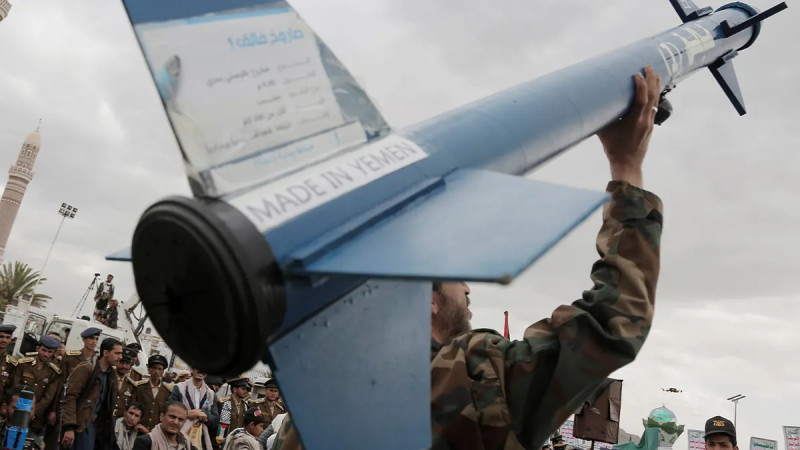
The latest Houthi attack on Riyadh airport is part of a broader escalation in the ongoing conflict between the Saudi-led coalition and the Iranian-backed Houthi rebels in Yemen. The attack highlights the increasing sophistication of Houthi weaponry and their ability to target key Saudi infrastructure.
According to several reports, a missile was launched from Yemen, striking the vicinity of the airport. While there were no immediate reports of significant damage or casualties, the incident has certainly raised alarms among Saudi authorities and the international community about the vulnerabilities of the kingdom’s critical infrastructure. The attack follows a series of previous strikes targeting Saudi Arabia's oil infrastructure and other strategic sites.
Following the strike, Saudi officials swiftly issued a statement condemning the attack and reiterating the kingdom’s commitment to defending its territory and citizens. The Saudi Ministry of Defense affirmed that the country’s air defenses successfully intercepted several missiles, although some were able to penetrate the defenses and cause damage.
In response to the attack, the Saudi-led coalition intensified airstrikes on Houthi-held areas in Yemen, targeting what it claims were missile launch sites and other military installations. The coalition’s operations have significantly disrupted Houthi military capabilities. However, the organization continues to pose a persistent threat, successfully using drones and missiles to strike deep into Saudi territory.
The Impact on Travel and Security
The Riyadh airport attack has unveiled potential vulnerabilities in the airport’s security infrastructure, prompting a review of existing defenses and emergency protocols. The airport, a crucial hub for both domestic and international travel, has been under increased scrutiny following the incident. Authorities have assured the public that all necessary measures are being taken to enhance security and ensure the safety of travelers. The airport, already a target of previous Houthi attacks, remains on high alert, with enhanced security measures in place to counter future threats.
Travelers have expressed concerns about their safety, leading to calls for increased transparency from authorities regarding the security protocols in place. The incident has also highlighted the broader implications for the aviation industry in the region, with other airports in Saudi Arabia and neighboring countries also reviewing their security measures.
The attack comes at a time when Saudi Arabia is investing heavily in its aviation sector, aiming to boost tourism and economic growth. The country has ambitious plans to expand its airports and enhance air travel infrastructure, but such incidents pose a significant challenge to these efforts. The Saudi government is now under pressure to demonstrate its ability to protect these investments and reassure the public and international partners.
The Geopolitical Implications
The latest attack on Riyadh airport also has broader geopolitical implications, particularly for the ongoing conflict in Yemen. The Houthi rebels, backed by Iran, have used these attacks to assert their military capabilities and challenge Saudi Arabia’s dominance in the region. The attack reflects the deepening regional rivalry between Saudi Arabia and Iran, with each side supporting different factions in the Yemeni conflict.
The attack has also drawn condemnation from the international community, with several countries expressing their support for Saudi Arabia and urging the Houthis to cease their aggressive actions.
In response to the attack, the United Nations Security Council has called for an urgent meeting to address the escalating tensions in the region. The council has urged all parties to exercise restraint and engage in dialogue to resolve the conflict peacefully.
With the situation remaining volatile, the focus is on how Saudi Arabia will respond to this latest challenge. The kingdom is likely to continue its military operations against the Houthis while also seeking diplomatic solutions to the conflict. The coming weeks will be crucial in determining the trajectory of the conflict and the impact on regional security
Saudi Arabia has announced a comprehensive review of its air defenses, with a focus on enhancing the capabilities of its missile interception systems. The review comes as the kingdom seeks to strengthen its defenses against future attacks by the Houthis and other regional threats. As the situation remains fluid, the international community has expressed its continued support for Saudi Arabia in its efforts to counter these challenges.
“The attack on Riyadh airport underscores the persistent threat posed by the Houthis and the need for a robust response from the international community,” said an unnamed U.S. State Department official, emphasizing the need for coordinated efforts to address the crisis.
Riyadh airport remains a crucial hub for the region’s aviation sector, and the recent attack has highlighted the need for enhanced security measures to protect travelers and infrastructure. As the situation continues to evolve, the focus will be on how Saudi Arabia and the international community respond to this latest challenge, and what steps are taken to ensure the safety and security of the region's aviation infrastructure.