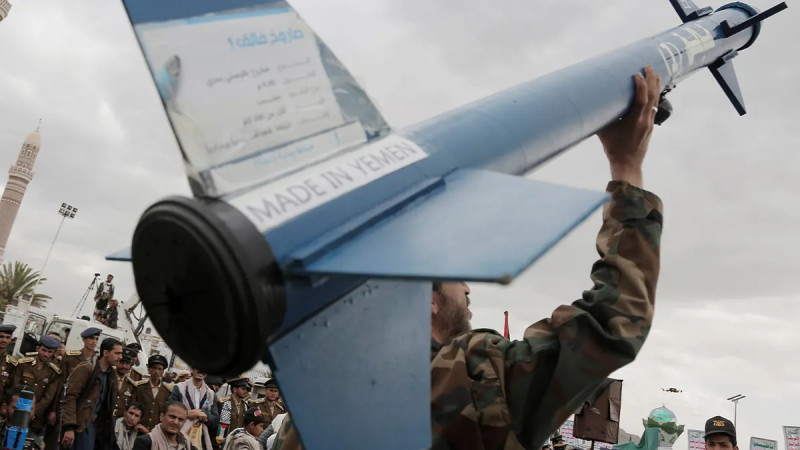
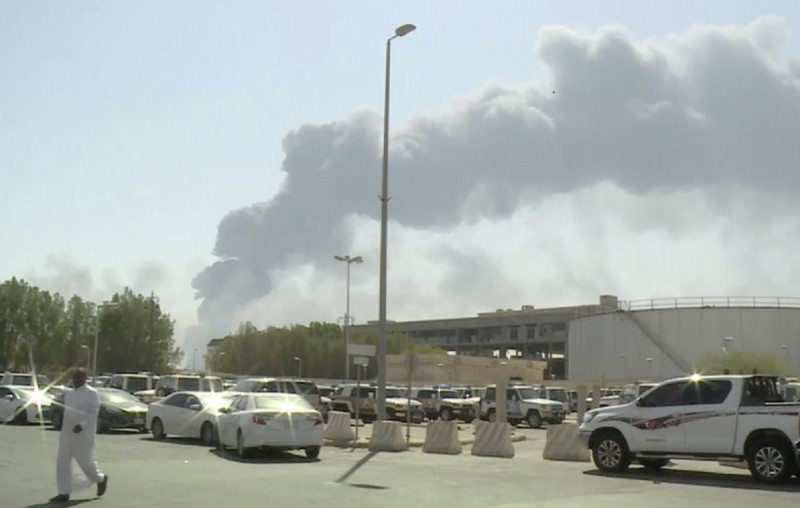
Houthi Missile Strikes on Saudi Red Sea Oil Sites Spur Military Response
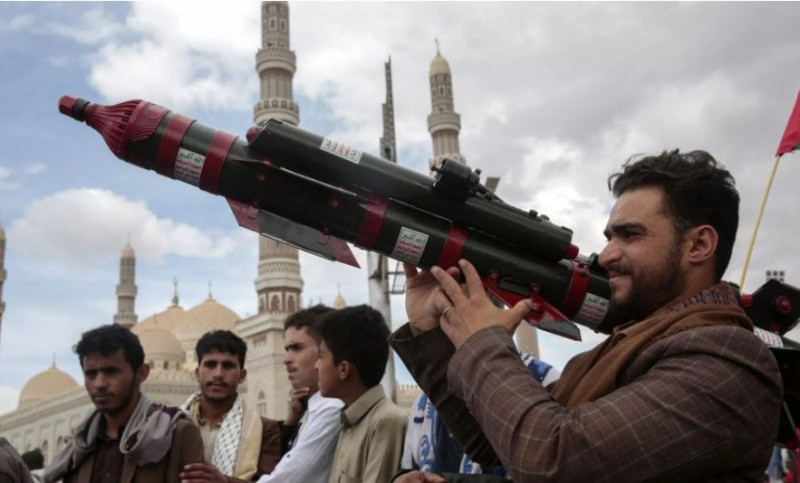
Saudi Arabia's defensive military strike on Yemeni targets last July was a retaliatory maneuver in response to the Houthi rebels' repeated assaults. This has escalated tensions in the region, drawing international attention and concern.
Houthi’s Aggressive Campaign: A Strategic Escalation
In a recent surge of military strike activities, the Houthis have launched a series of missile and drone strikes targeting Saudi Arabia, particularly focusing on oil sites in the Red Sea. The Houthis have cited Saudi airstrikes on the critical Red Sea city of Hodeida as the reason for their retaliation. These attacks, which have included hits on Saudi tankers, have been met with swift and decisive military responses.
In the most recent attacks, the Houthis claimed that their strikes were in retaliation for the Saudi airstrikes on Hodeida, a strategic port city that is crucial for Yemen's import and export operations. These actions underscore the ongoing conflict in the region, where the Houthis, backed by Iran, have been engaged in a prolonged military campaign against Saudi Arabia and its allies.
Saudi Arabia’s Coordinated Military Response
Saudi Arabia’s military has responded to the Houthi aggression with targeted military strikes on Houthi positions. These strikes, which were described as focused on "legitimate military targets" used by the Houthis to disrupt shipping in the Red Sea, are part of a broader strategy to secure the region. Saudi military spokesperson emphasized the precision and legality of these actions, aimed at mitigating the Houthi threat to regional stability.
The Saudi airstrikes, part of a larger military operation, have been supported by international allies, notably the United States and the United Kingdom. The U.S. especially has intensified its military involvement, employing increased firepower and reduced hesitation to strike in populated areas, a shift from previous administrations' approaches. This tactical adjustment reflects a more aggressive stance against the Houthis, aiming to curb their influence and capabilities.
International Implications and Future Actions
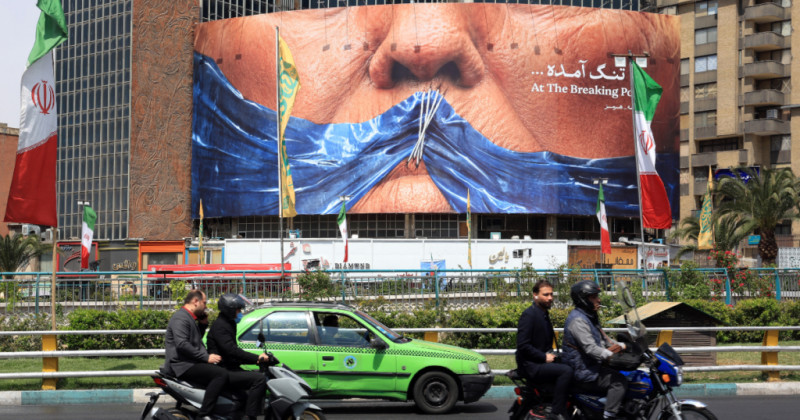
The military strike by Saudi Arabia has drawn attention from key international players. The United States, in particular, has become more involved, launching its own set of airstrikes against Houthi targets. These actions, which include significant military operations such as Operation Poseidon Archer, demonstrate a coordinated effort to address the Houthi threat. The escalation of these military strikes raises concerns about the broader geopolitical implications, particularly in relation to Iran, which supports the Houthis.
The ongoing conflict highlights the complex dynamics at play in the Middle East, where regional powers are often engaged in proxy wars. The recent military strike by Saudi Arabia, while a response to the Houthis' actions, also serves as a signal to Iran and other stakeholders in the region. The situation remains fluid, with the potential for further escalation or de-escalation depending on the actions of all parties involved.
As the situation continues to evolve, the next critical juncture will be the international community's response, particularly from the United Nations. The Security Council's actions in the coming weeks will be crucial in shaping the future of the conflict and the broader stability of the region. Houthi's strikes and Saudi Arabia's response are likely to remain a focal point, with potential for further escalation or de-escalation based on the diplomatic and military maneuvers of the involved parties.
Iran-backed Houthi rebels say they fired missiles and drones at Saudi Arabia in response to Saudi airstrikes on Yemen's strategic Red Sea city of Hodeida.
How does this story make you feel?
 Up next · WorldTragedy Strikes Berlin Pride Parade amid Celebration of Pride and Unity