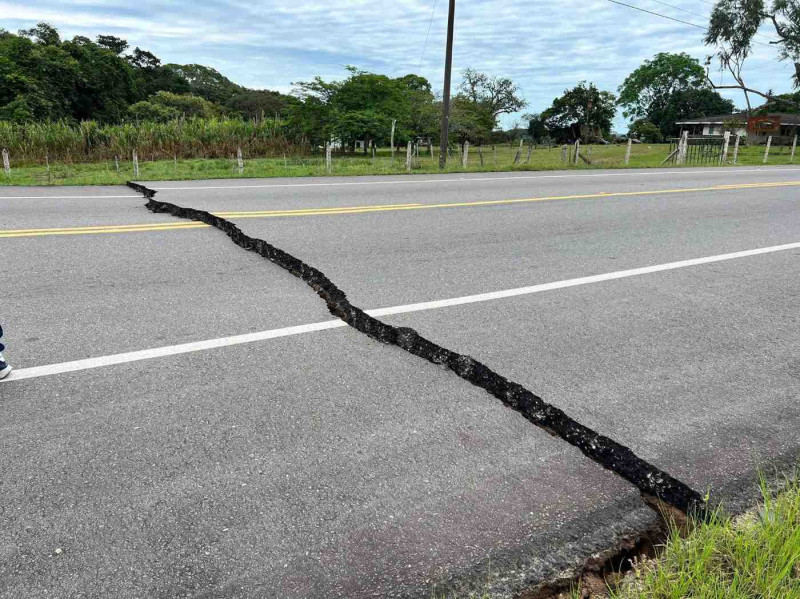
Japan rattled by series of earthquakes
Japan has recorded 136 earthquakes in the last month, including a 4.7 quake near Tōgane, highlighting the country’s ongoing seismic risk and early‑warning system.
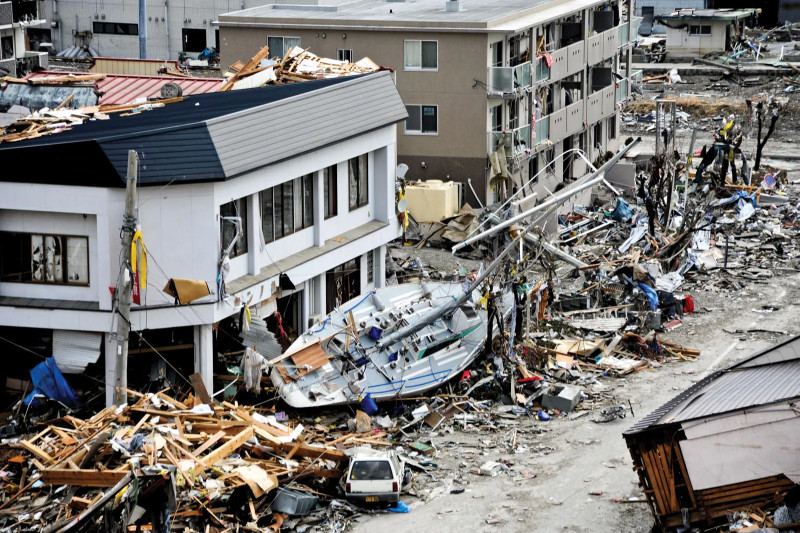
Key points
- Japan recorded 136 earthquakes in 30 days, largest 5.3 magnitude.
- A 4.7 magnitude quake struck near Tōgane, Chiba Prefecture.
- The JMA’s early‑warning system alerts residents minutes before shaking.
- Japan’s location on the Ring of Fire explains frequent activity.
- Tourism organization provides safety guidelines for visitors.
Japan, a country known for its frequent seismic activity, has recently experienced a series of powerful earthquakes. The most recent tremors—including a significant quake near Tōgane—have once again put the nation's preparedness and resilience to the test.
The Latest Tremors: Magnitude and Impact
In recent times, the Japan Meteorological Agency (JMA) has reported multiple earthquakes, the most notable being a magnitude 4.7 tremor near Tōgane, Chiba Prefecture, just a few days ago. This quake, though not the most powerful in recent memory, underscores the ever-present risk of seismic activity in the region. According to the JMA, 136 earthquakes have been recorded in Japan in the last 30 days, with the largest registering at a magnitude of 5.3. The JMA's Earthquake Early Warning system has been crucial in mitigating damage, providing real-time alerts to the public and emergency services.
The Science Behind the Tremors: Japan's Seismic Hotspot
The Japanese archipelago is situated on the Pacific 'Ring of Fire,' a region prone to frequent earthquakes and volcanic activity. Japan sits at the meeting point of four major tectonic plates, making it one of the most seismically active nations on Earth. This geologic setting, along with the country's extensive seismic monitoring systems, explains why Japan experiences frequent, albeit often minor, tremors.
Understanding the science behind these earthquakes is crucial for both residents and visitors. The Japanese archipelago is composed of four main islands—Honshu, Hokkaido, Kyushu, and Shikoku—along with numerous smaller islands. This extensive and varied topography is a result of the ongoing tectonic activity, which has shaped the landscape over millennia. The country's extensive seismic monitoring systems, including those maintained by the JMA, are crucial in tracking and predicting seismic activity, helping to minimize the impact on communities.
Lifelines in Crisis: Japan's Preparedness and Response
The recent earthquakes in Japan have once again highlighted the country's robust disaster preparedness mechanisms. From community drills to advanced seismic monitoring, Japan is a model for earthquake response. The JMA's Earthquake Early Warning system, in particular, has been pivotal in alerting residents to impending tremors, allowing for swift evacuations and minimizing casualties.Despite these measures, experts warn that preparedness is an ongoing process.
The hum of phones buzzing in pockets, as alerts flash across screens, is a commonplace in Japan — a stark reminder of the ever-present threat. The Japan National Tourism Organization (JNTO) has also stepped up its efforts, providing safety guidelines and real-time updates for tourists, ensuring that visitors are well-informed and prepared.
"The JMA's Earthquake Early Warning system has been a game-changer. It provides critical seconds to minutes of advance notice, allowing people to take immediate protective actions," said a JMA spokesperson, emphasizing the importance of timely alerts in mitigating disaster damage.
—
The JMA's Earthquake Early Warning system has been a game-changer. It provides critical seconds to minutes of advance notice, allowing people to take immediate protective actions—
The current situation in Japan underscores the importance of continuous vigilance and preparedness. As the country navigates through these seismic challenges, the resilience of its people and the effectiveness of its disaster management systems remain steadfast. With the Pacific 'Ring of Fire' showing no signs of quieting, Japan continues to lead the way in earthquake preparedness, setting a global standard for resilience and response.
Your questions, answered
How many earthquakes did Japan record in the last 30 days?
Japan Meteorological Agency reported 136 earthquakes in the last 30 days.
What is the magnitude of the most recent quake near Tōgane?
The most recent quake near Tōgane was magnitude 4.7.
Quick poll
How confident are you in Japan’s earthquake preparedness?
0 votes
How does this story make you feel?
Topics
 Up next · ScienceHenderson Fire near Camp Pendleton grows to 150 acres