When the clocks change in 2026
The 2026 daylight‑saving end falls on November 1 in the U.S. and Canada and October 25 in the U.K. and Europe, raising questions about a permanent shift.
Key points
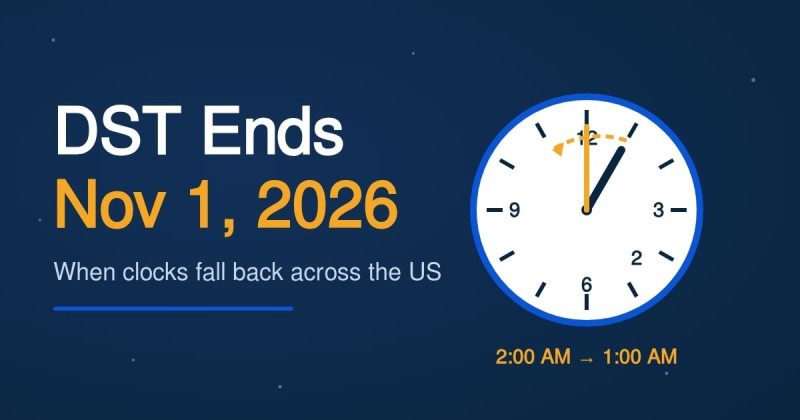
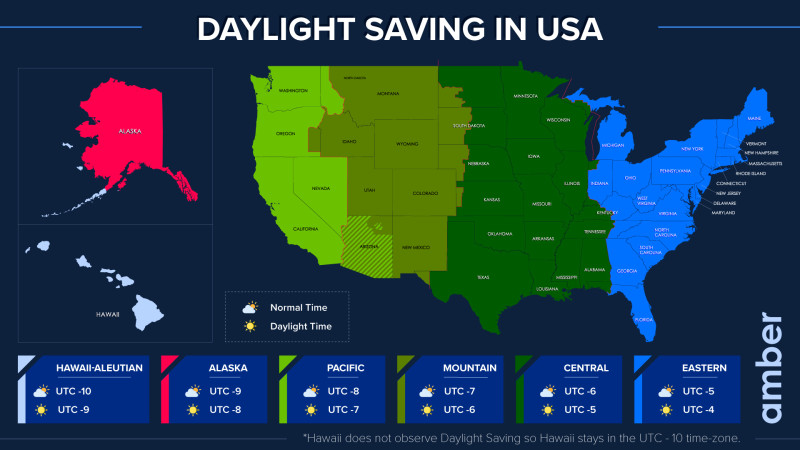
- In the U.S. and Canada, clocks turn back on November 1, 2026, from 2 a.m. to 1 a.m.
- The U.K. and Europe change on October 25, 2026, creating a week where New York is four hours behind London.
- The shift gives Americans an extra hour of sleep for one night and signals the start of daylight saving.
- Legislators in the U.S. and the U.K. are debating making 2026 the last year of biannual time changes.
- The change can disrupt sleep, work routines, and daily schedules for many people.
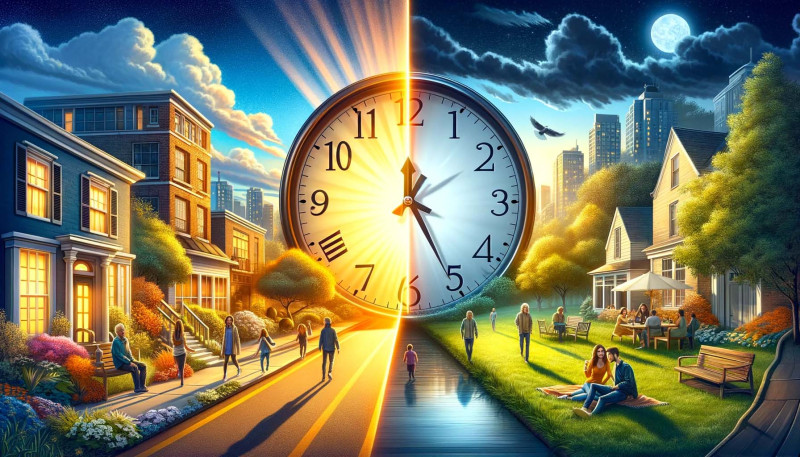
In the hum of offices and the buzz of homes, a familiar question echoes: when do the clocks change in 2026? This ritual, a blend of routine and mild chaos, is about to begin. The clock change marks the transition from the extended daylight of summer to the cozier, earlier evenings of fall
The Clock Change 2026: When Do We Turn Back the Clocks?
The precise moment for the clock change varies by region, but the trend is clear. In the US and Canada, November 1st is the date to remember — when the clocks turn back from 2 a.m. to 1 a.m. according to available reports. This shift will give Americans an extra hour of sleep, at least for one night, and signal the start of daylight saving 2026. The clock change in the UK and Europe, however, happens a bit earlier, on October 25, 2026. This divergence can lead to a week where the time difference between New York and London is four hours, creating a unique temporal schism.
The Human Angle: How the Clock Change Affects Us
For many, the clock change is more than just a technical adjustment. — it's a disruption that can throw off sleep routines and daily schedules. The transition, while a minor adjustment for some, can lead to a week of disrupted sleep, altered work routines, and a general sense of disorientation. The change also brings a renewed emphasis on sleep hygiene and the importance of adjusting to the new time.
The Policy Debate: Will 2026 Be the Last Year for Daylight Saving?
Behind the clock change of 2026 lies a deeper question: will this be the last year we turn back the clocks? New legislation in the US is pushing for a permanent change to daylight saving 2026, aiming to eliminate the biannual time shifts. This debate is not just about convenience; it touches on health, safety, and economic impacts, making it a contentious issue among lawmakers and the public. In the UK, similar discussions are underway, reflecting a global trend towards reconsidering the necessity of daylight saving 2026.
However, the clock change is as much a cultural touchstone as a legislative debate. The ritual of adjusting clocks and watches, the collective groans and relish of that extra hour, and the sense of seasonal transition are experiences that unite us. The clock change is a moment of change, a reminder of the passage of time, and a chance to reset our routines.
The clock change of 2026 is not just about setting our watches back; it's a reflection of our connection to time, our adaptability, and our ongoing debates about how we structure our days. As we approach the clock change in 2026, it's worth pausing to consider the deeper implications of this annual ritual and the potential for a permanent shift in our timekeeping practices.
“I'm tired of the endless flip-flopping. The time changes seem to do more harm than good,” said Sarah Johnson, a local schoolteacher. “We need a permanent solution, and I hope 2026 is the year we finally get it.”
Your questions, answered
When does daylight saving end in the U.S. in 2026?
It ends on November 1, 2026, when clocks are set back from 2 a.m. to 1 a.m.
When does daylight saving end in the U.K. in 2026?
It ends on October 25, 2026, when clocks are set back.
Will 2026 be the last year of daylight saving?
New legislation in the U.S. and discussions in the U.K. aim to make 2026 the final year of biannual time shifts.
Quick poll
Should 2026 be the last year of daylight saving?
0 votes
How does this story make you feel?
Topics
 Up next · EntertainmentSean Hannity and Ainsley Earhardt marry at Palm Beach church