China’s latest drills near Taiwan spark diplomatic flare
China’s PLA has conducted large‑scale exercises around Taiwan, prompting U.S., Japan and South Korea to call for restraint and Taiwan to boost defenses.
Key points
- China’s PLA carried out live‑fire and simulated attack drills near Taiwan.
- The U.S. and regional allies condemned the drills and urged a peaceful resolution.
- Taiwan mobilized troops and air defense systems while seeking ally support.
- Diplomatic meetings in Washington, Japan and South Korea are underway.
- The situation remains fluid with both sides on high alert.
The bustling streets of Taipei hum with an unusual tension. In the fluorescent glare of the briefing room, military officials huddle over maps, their eyes tracking the movements of Chinese aircraft and vessels. The air is thick with the unspoken weight of a crisis that has been building for weeks — China’s latest round of military drills in the Taiwan Strait. The island nation, long a flashpoint in international relations, is once again at the center of a diplomatic maelstrom.
China’s Drills: A Show of Force
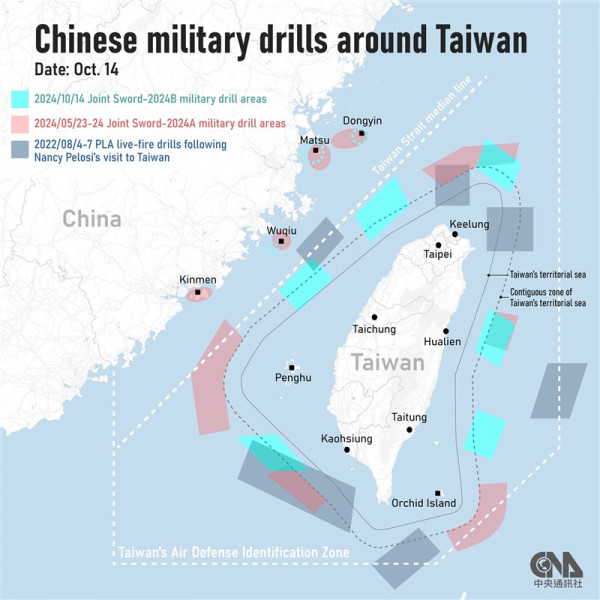
The People’s Liberation Army (PLA) has been conducting large-scale military exercises around Taiwan in recent times, a move that has sent shockwaves through the international community. These drills, which include live-fire exercises and simulated attacks, are part of a broader strategy by China to assert its sovereignty over the island, which it claims as a renegade province.
"We are witnessing a significant escalation in military activity," says a high-ranking Taiwanese official. "The Chinese drills are not just a show of force; they are a clear message that they are prepared to take more aggressive actions if necessary." The official’s words are underscored by the hum of phones buzzing in pockets, as reporters and analysts receive updates on the latest developments.
China's actions have drawn condemnation from the international community, particularly from the United States, whose support for Taiwan is a cornerstone of its Asia-Pacific policy. The U.S. has repeatedly called for a peaceful resolution to the conflict, emphasizing that any use of force would be a serious concern for the international community.
Diplomatic Fallout: Taiwan’s Allies Weigh In
The military tensions have sparked a flurry of diplomatic activity. In Washington, D.C., high-level meetings are underway as officials from the State Department and the Pentagon work to coordinate a response. Japan and South Korea, both key U.S. allies in the region, have also expressed their concerns, calling for restraint on both sides.
Taiwan, meanwhile, has been ramping up its own defenses. The Taiwanese military has been mobilized, with troops on high alert and air defense systems on standby. The government has also been reaching out to its allies, seeking assurances of support in the face of the growing threat.
— In the midst of the crisis, there is a sense of uncertainty and fear, but also a steely resolve. "We are prepared to defend our sovereignty and our people," says the official, his voice firm. "We will not back down." —
The latest round of Chinese military drills near Taiwan is a stark reminder of the delicate balance of power in the Asia-Pacific region. As tensions continue to escalate, the world watches and waits, hoping for a diplomatic solution before the situation spirals out of control.
According to the latest reports, the situation remains fluid, with both sides locked in a tense standoff. As the world holds its breath, the future of Taiwan hangs in the balance, a testament to the complex and ever-evolving nature of international relations in the 21st century.
The recent military exercises, coupled with Beijing’s ongoing diplomatic pressure, have highlighted the critical importance of Taiwan’s strategic position in the region. The crisis serves as a reminder that the Taiwan question is far from resolved, and that the path to peace and stability in the Asia-Pacific will require delicate negotiations and a commitment to diplomacy.
As the world watches, the Taiwan Strait remains a hotspot, a microcosm of the broader geopolitical tensions that define our times. With the stakes higher than ever, the need for a peaceful resolution has never been more urgent.
In the world of international relations, Taiwan, once again, finds itself at the center of a storm, the focus of global attention, and the subject of intense scrutiny and speculation.
Your questions, answered
What did China’s latest military drills near Taiwan involve?
The drills included live‑fire exercises and simulated attacks conducted by the PLA around Taiwan.
How has the United States responded to the drills?
The U.S. has condemned the drills, called for a peaceful resolution, and coordinated a response with the Pentagon and State Department.
How does this story make you feel?
Topics
 Up next · PoliticsFrance protests spread nationwide, hit Paris museums and transport