Bolsonaro's Son Flávio Faces Lula in Tight Brazil Election Runoff
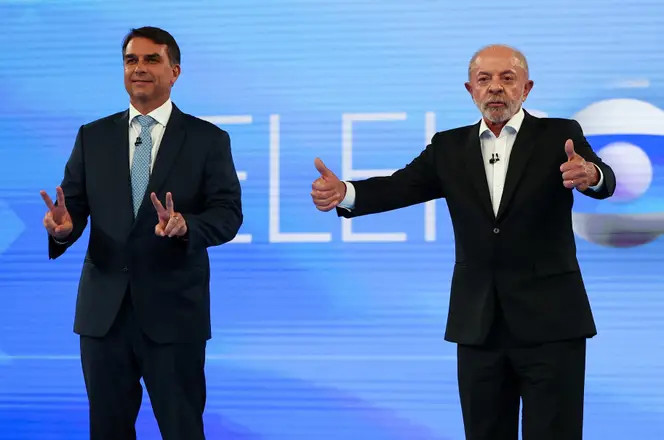
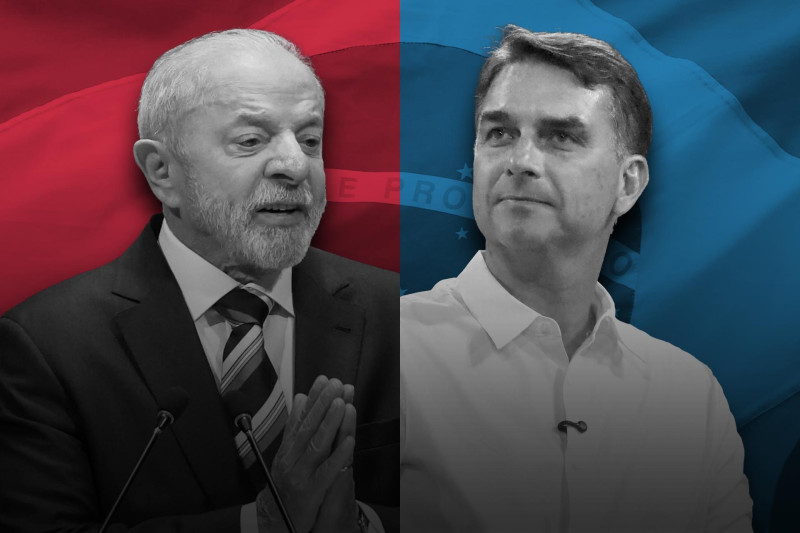
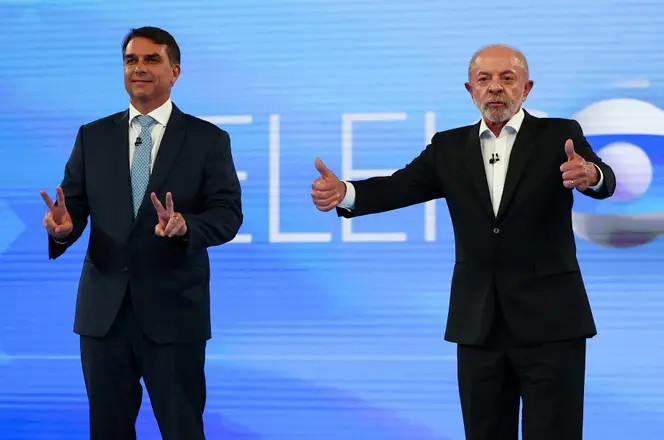
The 2026 Brazil election has reached a pivotal moment as leftist President Luiz Inácio Lula da Silva faces a tight runoff against the right-wing Senator Flávio Bolsonaro. With 92.0% of polling sections counted recently, the results show a close contest with Lula leading by a narrow margin of 51.6% to Flavio Bolsonaro's 48.4%.
Background: The Candidates and Their Paths to the Runoff
The election marks a significant test for Brazil's democratic institutions, as the country navigates a political landscape shaped by deep divisions. The candidates, each representing starkly different political ideologies, have garnered widespread support and scrutiny. Lula, known for his progressive policies and strong base among the working class, seeks to continue his reform agenda. Flávio Bolsonaro, on the other hand, represents the continuation of the conservative policies initiated by his father, former President Jair Bolsonaro, who is currently convicted for various charges.
The first round of the election, held earlier in October, saw intense competition with Lula narrowly ahead of Flávio Bolsonaro in key states. The tight race in states like Minas Gerais, where Bolsonaro led with 48.43% to Lula's 43.33%, highlights the closely contested nature of the election.
The runoff is not only a battle between two opposing political visions but also a test of Brazil's democratic resilience. The election, held 42 years after the return of democracy in 1985, underscores the nation's ongoing struggle to balance political stability with social and economic progress.
Voting and Turnout: High Stakes in a Mandatory Voting System
According to Brazil’s electoral laws, voting is obligatory for citizens aged 18 to 69, making high voter turnout a critical factor in the outcome. The system allows opt-out voting for those aged 16 and 17, as well as individuals over 70 and those unable to read or write. This system ensures a broad participation, reflecting the diverse interests and concerns of the Brazilian electorate.
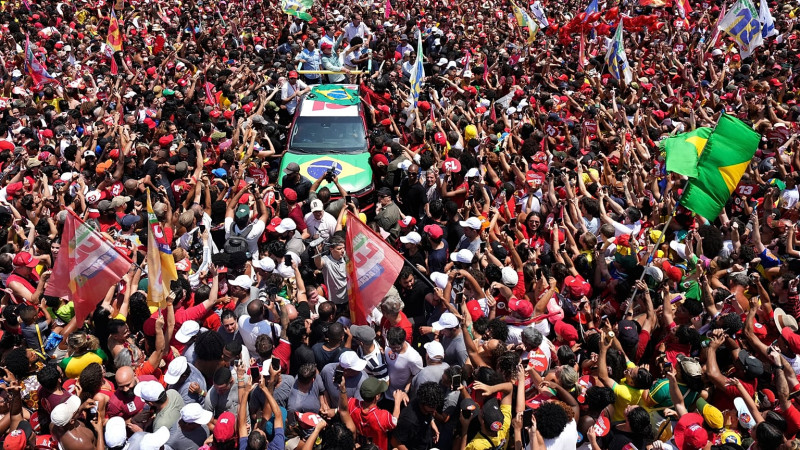
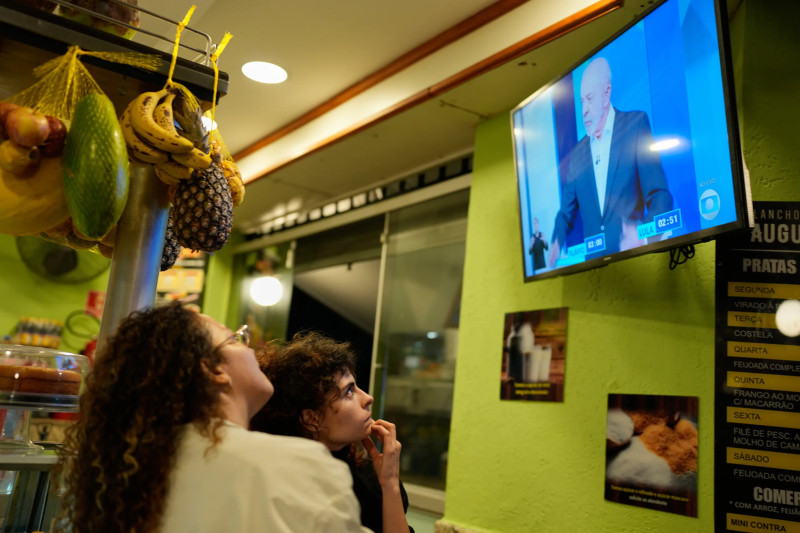
The runoff race has been marked by significant voter turnout, with the polls remaining open for two more hours across the country due to weather and transportation issues. The high stakes and close race have mobilized voters on both sides, with Lula and Flávio Bolsonaro's supporters eagerly awaiting the final tally.
"The Brazilian election is a moment of national reckoning, where the future of the country's political direction will be decided," said a political analyst.
Key Issues: What’s Driving the Voters
Economic instability, social inequality, and political corruption are the key issues driving the voters in this election. Lula's campaign has focused on addressing these concerns, emphasizing his commitment to economic growth and social justice. Flávio Bolsonaro, for his part, has centered his platform on maintaining law and order, a stance that resonates with a significant portion of the electorate who are concerned about rising crime rates and the country's social unrest.
The economic policies proposed by both candidates have been scrutinized, with analysts suggesting that the outcome will significantly impact Brazil's economic trajectory. Lula's plans for increased social spending and economic redistribution contrast sharply with Flávio Bolsonaro's focus on fiscal conservatism and market-driven solutions.
The runoff has also sparked intense international interest, with global observers closely monitoring the election. The results will have implications beyond Brazil's borders, influencing diplomatic relations, trade agreements, and regional politics. The close contest reflects the polarizing nature of Brazilian politics, where deep ideological divides are further exacerbated by the legacies of past political struggles and the ongoing impact of social and economic inequalities.
As the final results are tallied, the world watches with bated breath, recognizing that the outcome of this election will shape not only Brazil's future but also the broader landscape of Latin American politics. After all, Brazil is the world’s largest democracy in the region, with an electorate of over 150 million people.
One of the most closely watched elements of this election is the electoral system's ability to handle the complexities of the runoff, ensuring that the democratic process remains transparent and fair. The outcome of this election could mirror the 1985 transition from a military dictatorship to a democratic republic, a pivotal moment in Brazil's history that saw the country navigate significant political and economic challenges in the quest for stability and progress.
How does this story make you feel?
 Up next · PoliticsNicki Minaj Steps into the Political Spotlight as Potential White House Press Secretary