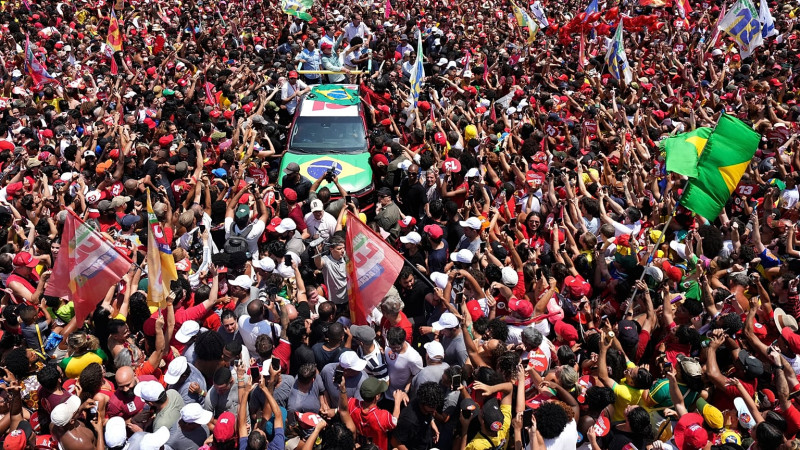
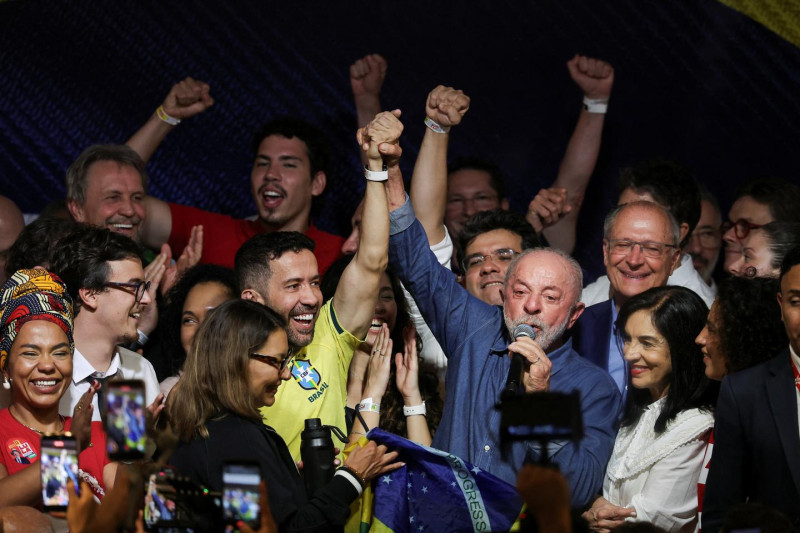
Brazil’s Polarizing Presidential Runoff: Lula vs. Bolsonaro
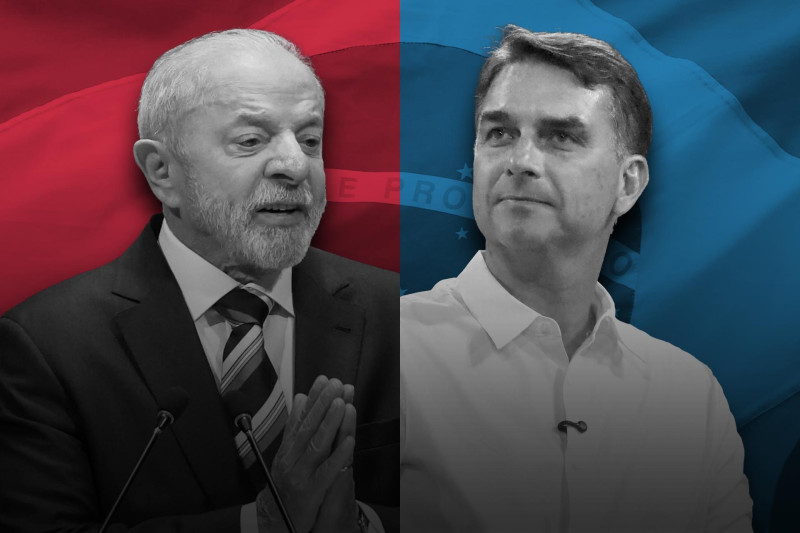
The political landscape of Brazil is abuzz with the tense runoff between Luiz Inácio Lula da Silva and Flávio Bolsonaro, a contest that has captured global attention and set the stage for a potential shift in Latin American politics. The stakes are high, with the future of Brazil’s policies on crime, economy, and social welfare hanging in the balance.
Lula and Bolsonaro: A Clash of Ideologies
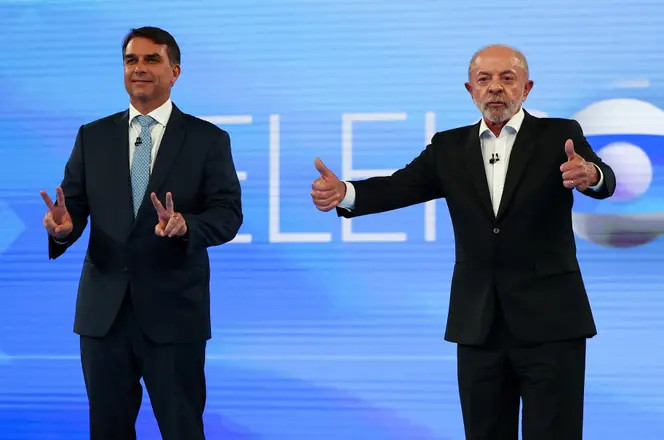
The runoff pits the leftist incumbent President Luiz Inácio Lula da Silva against the right-wing Flávio Bolsonaro, son of the former president. This battle is more than a political contest; it is a referendum on the future direction of Brazil.
Lula, known for his populist policies and strong support base among the working class, is seeking an unprecedented comeback. His campaign has focused on economic recovery and social welfare programs, aiming to secure a steady vote from Brazil's diverse demographics.
Flávio Bolsonaro, on the other hand, represents the conservative wing, emphasizing law and order and a tough stance on crime. His campaign has resonated with voters concerned about rising crime rates and economic instability, positioning him as a viable alternative to Lula's policies.
US Influence and International Scrutiny
The election has drawn significant attention from the international community, particularly the United States, which has expressed concerns about the direction Brazil might take under either candidate. The U.S. influence, though not overt, has been a topic of debate, as both candidates have had to address foreign policy implications.
Both candidates have been vocal about their stances, with Lula advocating for stronger ties with leftist governments in the region, while Bolsonaro has hinted at aligning more closely with conservative allies.
As the election nears, the international community watches with bated breath, knowing that the decision made by Brazilian voters will resonate far beyond its borders.
Public Sentiment and Voter Turnout
The runoff election has sparked a surge in political engagement. Public sentiment is polarized, with passionate supporters on both sides actively campaigning for their favored candidate.
Amidst this backdrop, the media plays a crucial role in shaping public opinion. News outlets have been flooded with in-depth reporting, analyses, and live updates, providing voters with comprehensive information on both candidates.
The heated debates and rallies have also brought to light the deep-seated social and economic issues facing Brazil, making this election a pivotal moment in its history.
The question looming over Brazil as it heads into this crucial runoff is how the nation will navigate the aftermath of such a divisive election. Will the victor be able to unite a polarised country, or will the chasm deepen further, leaving Brazil on a precarious path.
How does this story make you feel?
 Up next · PoliticsBC Conservatives Win Majority, Ending Nine Years of NDP Rule; Lorne Doerkson to Become Premier