Pentagon's FORTRESS plan requires bases to survive 90-day outages
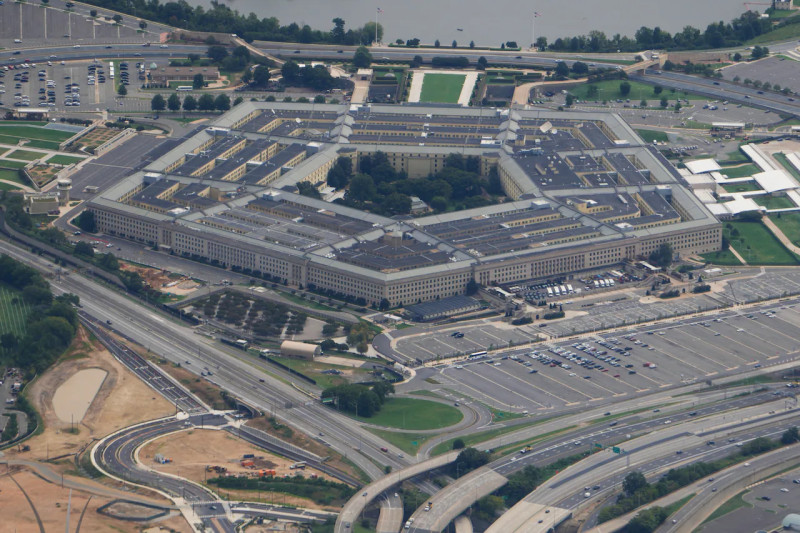
The Pentagon has mandated that major U.S. military installations maintain independent power, water, and communications for 90 days to ensure operational readiness during infrastructure disruptions.
Key points
- The FORTRESS initiative mandates major U.S. bases to maintain independent access to electricity, water, fuel, and communications for at least 90 days.
- The plan aims to reduce military dependence on civilian infrastructure and global supply chains in response to cyberattacks or natural disasters.
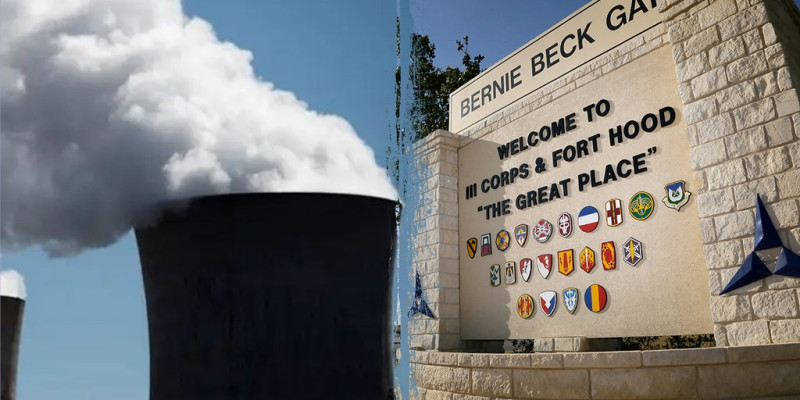
- A central component of the initiative involves the installation of small nuclear reactors to provide reliable energy for critical operations.
- The directive requires bases to be equipped with independent water supplies, fuel reserves, and robust communication networks.
- Implementation involves installing new technologies and training personnel to manage these self-sufficient systems effectively.
Imagine the United States' military bases as fortified castles, standing resilient against the ravages of time and conflict. The Pentagon's latest directive, the FORTRESS initiative, aims to turn this metaphor into reality, preparing major U.S. military installations to withstand 90 day power outages and run independently during times of crisis.
The Genesis of FORTRESS America
In a world fraught with geopolitical tensions and cyber threats, ensuring the readiness of military installations is paramount. The Pentagon's FORTRESS initiative, unveiled recently, mandates every major U.S. base to maintain independent access to electricity, water, fuel, and communications for at least 90 days. This directive underscores a broader strategy to reduce military dependence on civilian infrastructure and global supply chains.
Preparing for the Unthinkable
The initiative comes in response to escalating concerns about potential disruptions caused by cyberattacks, warfare, or natural disasters. The Pentagon envisions a scenario where civilian infrastructure could be compromised, leaving military bases to fend for themselves. Under the FORTRESS plan, bases must be equipped with the necessary infrastructure to sustain essential operations during prolonged outages.
One of the central components of this plan is the installation of small nuclear reactors. These reactors would provide a reliable source of energy, ensuring that critical operations can continue unabated. Additionally, the plan includes the establishment of independent water supplies, fuel reserves, and robust communication networks to keep the bases self-sufficient for 90 days.
The Logistical Challenge
Implementing this ambitious plan is a monumental task. It involves not only the installation of new technologies but also the training of personnel to manage these systems effectively. The Pentagon acknowledges the complexity of the endeavor but remains steadfast in its commitment to ensuring the readiness of U.S. military bases.
As Patrick Humphrey, a disaster and emergency-news reporter, notes, "The Pentagon has just ordered every major U.S. military base inside the United States to get prepared for massive power outages and to be able to run for at least 90 days through supply chain disruptions or grid-down events. It's part of a new plan called the FORTRESS initiative".
This initiative is a clear indication of the Pentagon's proactive approach to disaster preparedness, ensuring that the military is ready for any eventuality. By investing in self-sufficiency, the Pentagon aims to safeguard the nation's defense capabilities in the face of unprecedented challenges. The success of the FORTRESS initiative will hinge on the seamless integration of these new systems and the readiness of the military personnel to operate them.
As the Pentagon moves forward with the FORTRESS America initiative, the question remains: in a world where threats are increasingly unpredictable, can any military base truly be prepared for the unthinkable? Time and the resilience of the military infrastructure will provide the answer.
Your questions, answered
What is the Pentagon's FORTRESS initiative?
It is a directive requiring major U.S. military bases to maintain independent access to electricity, water, fuel, and communications for at least 90 days.
Why are military bases preparing for 90-day power outages?
The preparation responds to concerns about disruptions caused by cyberattacks, warfare, or natural disasters that could compromise civilian infrastructure.
Quick poll
Do you support the Pentagon's plan for military bases to be self-sufficient for 90 days?
0 votes
How does this story make you feel?
Topics
 Up next · PoliticsPentagon launches FORTRESS plan for 90‑day base self‑reliance