Pentagon launches FORTRESS plan for 90‑day base self‑reliance
The Pentagon’s new FORTRESS initiative requires major U.S. military bases to operate independently for 90 days, using nuclear microreactors and stockpiled supplies to guard against power outages, supply disruptions, and conflict.

Key points
- All major U.S. bases must sustain 90 days of power, water, fuel, and communications without civilian infrastructure.
- The plan includes installing nuclear microreactors to provide reliable power during prolonged outages.
- It also involves stockpiling resources to support operations amid supply chain disruptions.
- The initiative aims to protect national security against global conflicts, cyber‑attacks, and natural disasters.
- The plan raises questions about its impact on civilian infrastructure and the economy.
The Pentagon has initiated a groundbreaking plan, known as the FORTRESS initiative, to ensure that major U.S. military bases can operate independently for 90 days in the event of widespread power outages, supply disruptions, or major conflicts. This ambitious strategy aims to safeguard the nation's defenses against potential global threats.
Understanding the FORTRESS Initiative
The FORTRESS initiative, announced in recent times, mandates that all major U.S. military installations must be able to sustain operations for at least 90 days without relying on civilian infrastructure. This directive encompasses ensuring self-sufficiency in power, water, fuel, and communications. The plan underscores the Pentagon's proactive approach to addressing potential threats to the nation's security infrastructure.
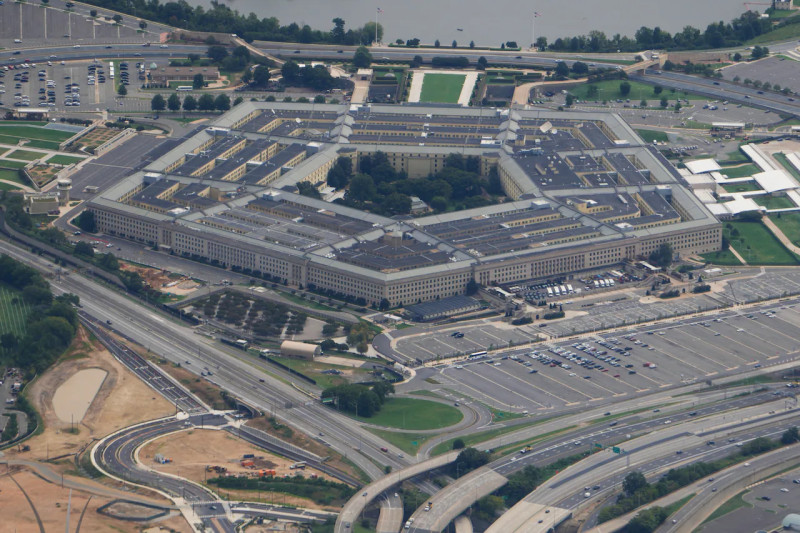
The FORTRESS initiative involves equipping military bases with nuclear microreactors to maintain operations during prolonged periods of isolation.
What Does This Mean for the U.S. Military and Civilians?
The FORTRESS initiative not only fortifies the military's defensive capabilities but also raises important questions about its implications for civilians and the broader economy. In recent weeks, the Pentagon has been testing various solutions to ensure that military bases can operate independently for an extended period.
By preparing for the worst-case scenarios, the Pentagon is taking a proactive stance against potential global conflicts and natural disasters. The initiative aims to ensure that the military remains operational even in the face of severe disruptions to civilian infrastructure. This could mean significant investments in infrastructure and technology, potentially impacting the economy and civilian populations in various ways.
Pentagon's Strategic Moves: Nuclear Reactors and Supply Reserves
To achieve 90 days of independence, the Pentagon is considering the installation of nuclear microreactors at key military bases. These reactors would provide reliable power sources that do not depend on the national grid, ensuring that bases can maintain operations during prolonged outages.
Additionally, the initiative involves ensuring necessary resources are available to sustain military operations for 90 days. This strategic move is aimed at mitigating the risks associated with global supply chain disruptions and ensuring that the military has the resources it needs to remain operational during crises.
The FORTRESS initiative is part of a broader strategy by the Pentagon to enhance the resilience of the U.S. military against a range of potential threats, including global conflicts, cyber-attacks, and natural disasters.
While the FORTRESS initiative is primarily focused on military readiness, it also raises questions about the future of civilian infrastructure and the broader economy. Is the Pentagon's plan a necessary measure to ensure national security, or is it a sign of a more uncertain world? Could the military's 90-day plan inspire similar initiatives in the civilian sector, ensuring resilience against potential disruptions?
Your questions, answered
What is the Pentagon’s FORTRESS initiative?
It is a plan to make major U.S. military bases able to operate independently for 90 days by using nuclear microreactors and stockpiled supplies.
Why is the Pentagon installing nuclear microreactors?
To provide a reliable power source that does not depend on the national grid during prolonged outages.
How does this story make you feel?
Topics
 Up next · PoliticsPentagon's FORTRESS plan requires bases to survive 90-day outages