The Pentagon's 90-Day Survival Strategy: Fortifying US Military Bases for Crisis
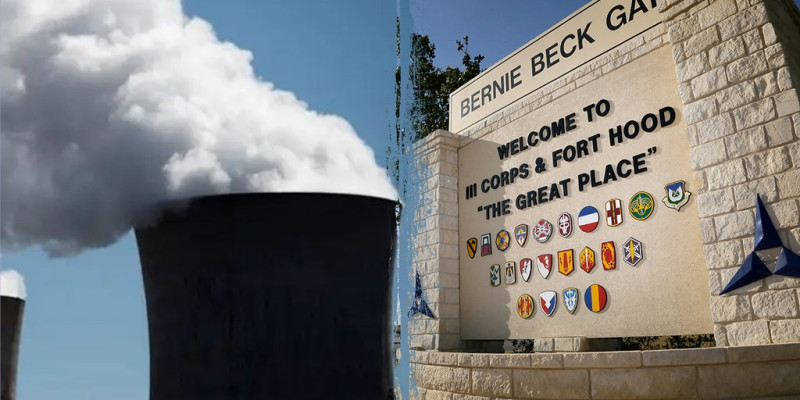
The Pentagon’s latest initiative, known as FORTRESS, is making waves as it pushes military bases to stand self-sufficient for 90 days in the face of a potential conflict. The plan, which has been recently revealed, aims to ensure that every major military installation in the continental United States can operate independently, covering essentials like electricity, water, fuel, and communications for at least three months. This strategic move underscores the Pentagon’s commitment to prepare for scenarios where civilian power grids and supply chains could be disrupted during a major war.
The FORTRESS Initiative: Ensuring Operational Independence
The FORTRESS initiative is a comprehensive program designed to enhance the resiliency of US military bases. The plan requires each base to have the capability to sustain operations for 90 days without relying on external support. This includes the development of on-site power generation, water treatment facilities, and fuel storage solutions. The aim is to ensure that bases can continue to function even if critical infrastructure on American soil is compromised.
One of the key components of the FORTRESS initiative is the establishment of strategic reserves of critical military supplies. This includes essential equipment and materials that could be needed in a crisis. The Pentagon is also enhancing domestic manufacturing capabilities.
Technological Innovations and Logistical Overhaul
The 90-day survival strategy involves more than just stockpiling supplies; it also includes significant technological advancements. The Pentagon is investing in new technologies to improve the efficiency and reliability of base operations. This includes the development of advanced communication systems.
One of the most intriguing aspects of the plan is the installation of nuclear reactors at key military bases. These reactors would provide a reliable and sustainable source of power, ensuring that bases can maintain operations even if the national power grid is compromised. This move underscores the Pentagon’s commitment to leveraging cutting-edge technology to enhance military readiness.
Preparing for a Future of Uncertainty
The 90-day survival strategy is part of a broader effort by the Pentagon to prepare for a future of uncertainty. The recent geopolitical landscape has highlighted the potential for conflicts that could disrupt critical infrastructure, making it essential for military bases to be self-sufficient. This initiative is just one piece of a larger puzzle, aimed at ensuring that the US military can remain a formidable force in any scenario.
As the Pentagon continues to roll out this ambitious plan, the question remains: will this 90-day survival strategy be enough to safeguard the nation in the event of a major conflict? Only time will tell, but one thing is clear — the military is leaving no stone unturned in its quest for self-sufficiency and operational resilience, from the East Coast to the West.
How does this story make you feel?
 Up next · PoliticsBolsanaro vs. Lula: Brazil's Divisive Election Runoff Yields Clear Winner