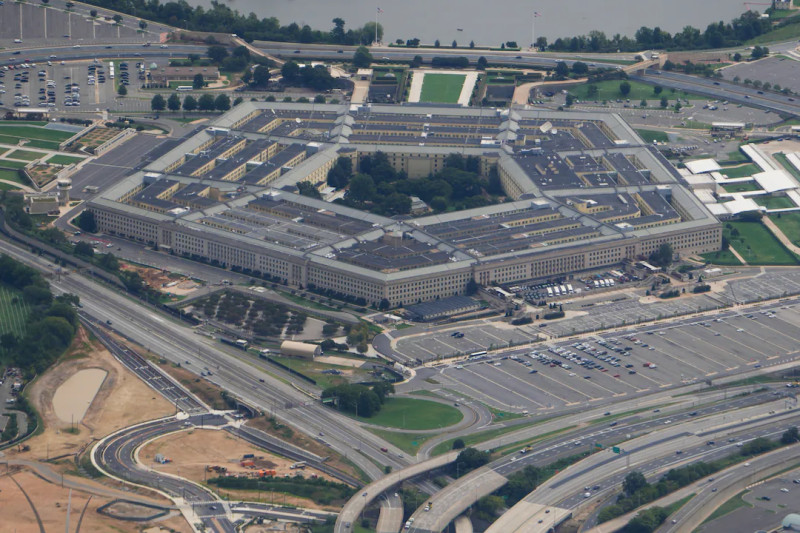
Military bases must sustain operations for 90 days during power outages
The Pentagon has ordered major U.S. installations to operate independently for up to 90 days if power is lost, as part of its FORTRESS initiative to boost resilience.
Key points
- Pentagon requires bases to maintain power, supplies, and communications for 90 days during outages.
- The FORTRESS plan aims to keep military missions running amid attacks on critical infrastructure.
- The directive reflects concerns over cyberattacks, natural disasters, and geopolitical tensions.
- Former FBI deputy Dan Bongino has urged civilians to stockpile essentials for similar disruptions.
- The move signals a broader shift toward preparedness in U.S. defense strategy.
The Pentagon's latest directive has set a new precedent for preparedness: major U.S. military installations are now required to sustain operations independently for up to 90 days in the event of a power outage.
Pentagon's Fortress Initiative
This mandate is part of the Pentagon's FORTRESS initiative, a comprehensive plan designed to fortify military installations against potential disruptions to critical infrastructure. The 90-day target reflects growing concerns about future conflicts that could involve sustained attacks on essential services, such as electricity, water, and supply chains. By requiring bases to operate autonomously for an extended period, the Pentagon aims to ensure continuity of operations and readiness in the face of adversity.
Pentagon's Vision for Preparedness
Under the FORTRESS initiative, bases are tasked with developing robust contingency plans that address every aspect of self-sufficiency. This includes maintaining reliable power sources, stockpiling essential supplies, and establishing secure communication lines. The goal is not just to survive a 90-day blackout, but to do so while continuing to fulfill military missions and support operations.
The Pentagon's directive underscores a broader shift in military strategy, one that prioritizes resilience and preparedness in the face of evolving threats. As the world becomes increasingly interconnected, so too do the vulnerabilities that come with that interconnectivity. Cyberattacks, natural disasters, and geopolitical tensions all pose significant risks to critical infrastructure, making the ability to operate independently more vital than ever. With the FORTRESS initiative, the Pentagon is positioning its bases to weather any storm, ensuring that they remain operational and effective even in the most challenging circumstances.
Former FBI Deputy Director Dan Bongino has echoed similar sentiments, urging Americans to take a proactive approach to preparedness. In recent times, Bongino has advised households to stockpile food, water, and emergency power supplies, emphasizing the importance of being ready for potential disruptions to basic infrastructure. His warnings reflect a growing awareness of the need for individual and community resilience in the face of unforeseen crises.
The Pentagon's latest directive has set a new precedent for preparedness. Bases across the country are now required to plan for the possibility of a 90-day power outage. The question remains: are civilian communities equally prepared? The Pentagon's initiative serves as a stark reminder of the importance of readiness and the need to anticipate potential threats. As military bases prepare for a 90-day power outage, the rest of the nation would do well to follow suit, ensuring that communities are equipped to face the challenges of an uncertain future.
Imagine the lights flickering off, not for an hour or a day, but for 90 days. How would you survive? How would you communicate? How would you ensure the safety and well-being of your loved ones? The answers to these questions lie in the Pentagon's latest directive, a call to action that extends far beyond the military.
Your questions, answered
What does the Pentagon’s FORTRESS initiative require of military bases?
It requires bases to sustain operations independently for up to 90 days during a power outage, including maintaining power, supplies, and secure communications.
Why is the 90‑day target significant?
It reflects concerns about future conflicts that could target essential services, ensuring bases can continue missions during prolonged disruptions.
Quick poll
Should civilian communities adopt similar 90‑day preparedness plans?
0 votes
How does this story make you feel?
Topics
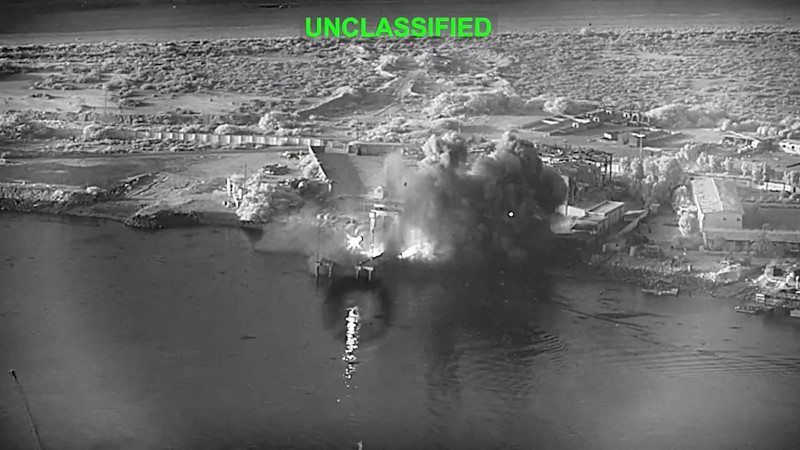 Up next · PoliticsIran strikes US radar in Bahrain in retaliation for strike on Sirik