HHS allows compounding pharmacies to produce six peptides
The U.S. Department of Health and Human Services has issued a temporary enforcement discretion policy that permits state‑licensed compounding pharmacies to manufacture six unapproved peptide substances, including BPC‑157, opening a legal prescription route for patients.
Key points
- HHS announced a temporary policy allowing compounding pharmacies to produce six peptides: BPC‑157, TB‑500, DSIP, PT‑141, Sermorelin, and IGF‑1 LR3.
- The policy provides a legal prescription pathway for these substances despite FDA concerns about safety and efficacy.
- The decision is temporary; HHS and FDA plan to finalize the policy and issue further guidelines soon.
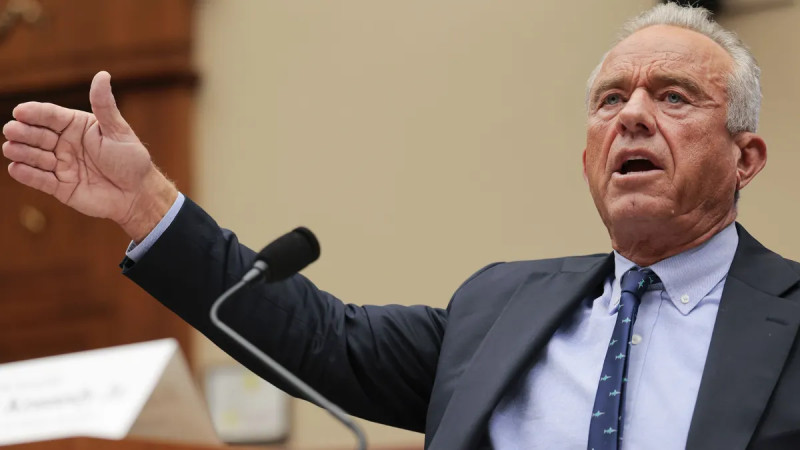
- Secretary Robert F. Kennedy, Jr. led the shift, emphasizing personalized healthcare over strict regulatory testing.
- The move has sparked debate over patient safety and the future regulation of peptide compounds.
Imagine a pharmaceutical arms race where the weapons are minuscule, invisible to the naked eye, and the battles are fought in government offices and courtrooms. We’re talking about peptides, the molecular chains that are the building blocks of proteins, and the latest skirmish involves a policy shift from the U.S. Department of Health and Human Services (HHS) that has stirred the waters of the medical and pharmaceutical communities.
HHS Opens the Floodgates: Enforcement Discretion on Six Peptide Compounds
In an unexpected move, HHS has announced a temporary policy that allows state-licensed compounding pharmacies to produce six unapproved peptide substances, including the widely discussed BPC-157, under a temporary enforcement discretion policy. This decision, which aligns with the "enforcement discretion" policy outlined recently, has opened a legal pathway for the production of peptides that have historically been in a regulatory gray area.
BPC-157, a peptide that has been promoted for its potential wound-healing properties, is one of the six peptides now permitted under this new policy. The FDA had previously flagged these peptides for lacking sufficient human evidence to determine their safety and efficacy, but the policy change gives patients a legal prescription route to these substances.
A Closer Look at the Six Peptides: What's in the Mix?
The six peptides sanctioned under this new HHS policy are BPC-157, TB-500, DSIP, PT-141, Sermorelin, and IGF-1 LR3. Each of these compounds has garnered attention in medical and fitness circles for their purported benefits, ranging from muscle recovery to improved sleep and even anti-aging properties. But the scientific community remains divided on their efficacy and safety.
The HHS policy, which permits state-licensed compounding pharmacies to produce these peptides, is a significant step towards establishing a prescription pathway for these compounds. However, it’s critical to note that this is a temporary measure, with the HHS and the FDA expected to finalize the policy and provide further guidelines soon.
Robert F. Kennedy, Jr., the current Secretary of HHS, has been at the forefront of this policy shift. Under Kennedy’s leadership, the department has taken a more lenient approach to compounding, focusing on the need for personalization in healthcare despite the FDA’s concerns over the lack of rigorous testing and lack of human evidence of safety and efficacy.
Who's Winning the Peptide War? The Battle Continues
The debate over peptides is far from over, as the FDA and HHS continue to navigate the complexities of balancing patient needs with regulatory oversight. The recent policy shift may seem like a victory for those advocating for greater flexibility in compounding, but it also raises questions about the long-term implications for patient safety and the integrity of the pharmaceutical industry.
Will this temporary policy become a permanent fixture, or will it ignite a new wave of regulation and scrutiny? As the battle over peptides continues, one thing is clear: the fight over these tiny but powerful molecules is far from over.
Your questions, answered
What peptides are included in the new HHS policy?
The policy permits the production of BPC‑157, TB‑500, DSIP, PT‑141, Sermorelin, and IGF‑1 LR3.
Is the HHS policy permanent?
The policy is temporary; HHS and the FDA will finalize it and provide additional guidance soon.
How does this story make you feel?
Topics
 Up next · HealthRichard Norton’s death highlights dangers of unapproved peptide injections