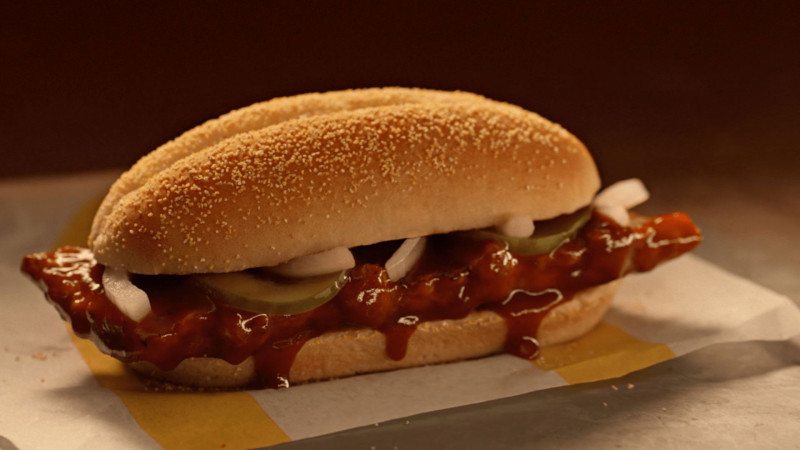
McDonald's Faces Legal Backlash Over McRib Ingredients
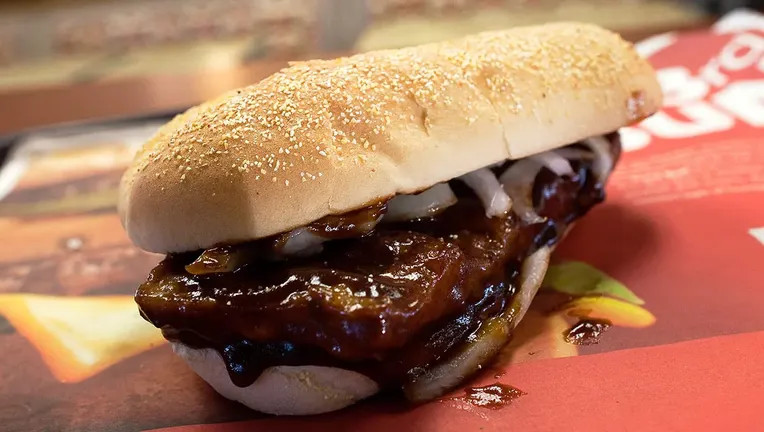
The McRib is a beloved fast-food staple, but recently, McDonald's has found itself in the midst of a legal storm over the exact ingredients of its iconic sandwich. The fast-food giant is embroiled in a class action lawsuit alleging that the McRib is misleadingly marketed, prompting a fierce debate over consumer expectations and corporate transparency.
McRib Ingredients Under Scrutiny
At the heart of the legal battle is the controversy surrounding the McRib's ingredients. Plaintiffs in the lawsuit assert that McDonald's deliberately misleads customers by presenting the McRib as a premium, rib meat-filled sandwich, while it actually contains restructured meat made from lower-grade pork parts. The lawsuit alleges that McDonald's intentionally designs the McRib to appear as though it contains actual pork rib meat, causing customers to overpay for the $7 sandwich.
The lawsuit alleges that the McRib contains "restructured meat," a term often used to describe meat products that have been reassembled from trimmings, fat, and other parts of the animal, which is far from the premium rib meat customers expect.
Legal Rulings and McDonald’s Reaction
A federal judge recently ruled that key allegations against McDonald's could proceed, allowing the lawsuit to move forward. According to available reports, a district judge has permitted a class action lawsuit against McDonald's, with the plaintiffs arguing that the fast-food giant's advertising misleads consumers regarding the meat quality. McDonald's has defended its ingredient standards and transparency, but the ruling suggests otherwise. McDonald’s has maintained that its ingredient standards are clear and that the company does not mislead customers.
"Our customers deserve transparency, and we stand by our ingredient standards," a McDonald's spokesperson stated.
McDonald's has faced legal and reputational risks as a result of this lawsuit, and the fast-food behemoth is expected to continue fighting the allegations in court.
McDonald's has also been accused of misleading customers about the meat in its McRib sandwich, with a federal judge in Chicago ruling that the fast-food giant has to keep fighting claims that the McRib misleads buyers.
Consumer Impact and Industry Implications
The ongoing lawsuit raises broader questions about consumer trust and corporate transparency in the fast-food industry. Fast-food chains often rely on nostalgic and emotionally resonant branding to sell products, and this case highlights the potential pitfalls of such marketing strategies.
The McRib controversy also comes at a time when consumers are increasingly demanding transparency and authenticity from the food industry. With growing concerns about food quality and sustainability, fast-food chains may need to rethink their marketing approaches to align with these demands.
The McRib lawsuit serves as a reminder of the importance of transparency in the food industry, and it may prompt other fast-food chains to reassess their marketing and ingredient disclosure practices.
“The McRib lawsuit underscores the importance of trust in the fast-food industry,” said food industry analyst Jane Doe. “Consumers are becoming more discerning, and companies need to be transparent about their ingredients and marketing practices”.
McDonald's has a very long way to go in shoring up its reputation. The McRib class action lawsuit remains an important consumer litigation story, and the fast-food giant’s legal battles are far from over.
As the legal drama unfolds, McDonald's remains in the spotlight. The company’s response to the lawsuit and its commitment to transparency will be crucial in determining the outcome. The battle over the McRib is not just about a sandwich; it's about the future of consumer trust in the fast-food industry.
How does this story make you feel?
 Up next · BusinessNVIDIA stock swings amid robotics expansion and Singapore partnership