McDonald's faces class-action lawsuit over McRib labeling
A Chicago judge allowed a class-action case claiming McDonald's misleads customers about the McRib’s meat content to proceed, raising questions about fast‑food advertising transparency.

Key points
- Judge April M. Perry ruled the consumer deception lawsuit can move forward.
- The suit alleges the McRib’s name and appearance suggest pork rib meat, though it’s made from pork shoulder.
- A survey cited in the case found 72% of customers think the sandwich contains pork ribs.
- McDonald’s says the product is clearly labeled as pork shoulder and not misleading.
- The case could set precedent for ingredient labeling across the fast‑food industry.
In the fluorescents glare of a Chicago courtroom, U.S. District Judge April M. Perry handed down a ruling that sent shockwaves through the fast-food giant McDonald's. The judge's decision to allow a class-action lawsuit accusing the company of misleading customers about the contents of its beloved McRib sandwich to move forward has sparked a legal and consumer frenzy.
McDonald's Faces Allegations of Deception
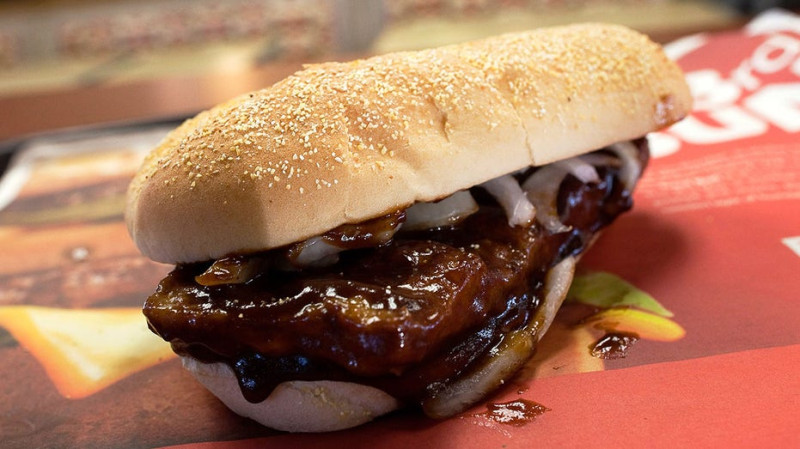
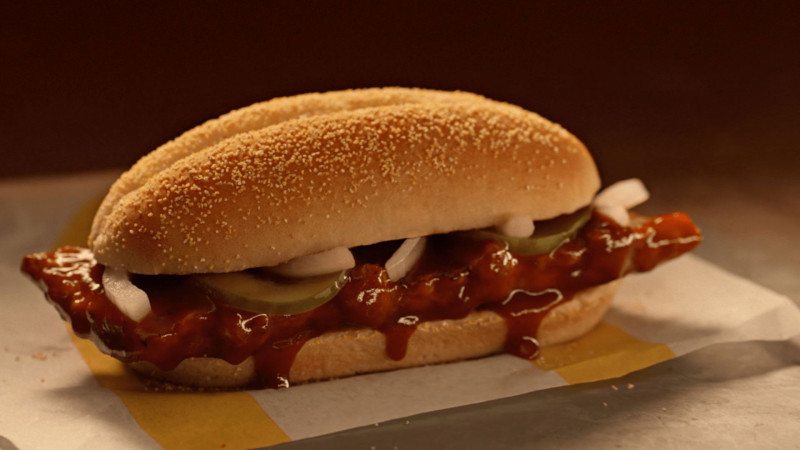
The McRib has long been a fan-favorite menu item, known for its distinctive rib-shaped patty and smoky flavor. However, the lawsuit alleges that McDonald's misleads customers into believing the sandwich contains actual pork rib meat. The plaintiffs argue that the sandwich's name, appearance, and advertising create a false impression about the product's contents, which is primarily made from pork shoulder, not pork ribs.
— If the plaintiffs are successful, this lawsuit could set a significant precedent for how fast-food chains market their products, potentially forcing them to be more transparent about ingredients and advertising claims. —
The legal battle has been ongoing for some time, with McDonald's initially attempting to dismiss the case. However, Judge Perry's recent ruling allows the lawsuit to proceed, permitting claims of consumer deception, fraud, and unjust enrichment to move forward. This decision has reignited the debate over what consumers should reasonably expect from fast-food menu items.
Consumer Backlash and Market Impact
The lawsuit has garnered significant attention from consumers and food industry experts alike. A survey conducted as part of the legal proceedings revealed that 72% of customers believed the McRib contains actual pork rib meat, highlighting the potential scale of the issue. The revelation has sparked outrage among consumers who feel deceived by McDonald's marketing tactics.
The legal and public relations fallout from this lawsuit poses a significant challenge for McDonald's. The company has long been a dominant player in the fast-food industry, with a global presence and a menu that caters to diverse tastes. However, recent events have highlighted the importance of transparency and honesty in marketing, especially in an era where consumer trust is paramount.
McDonald's Response and Future Implications
In response to the lawsuit, McDonald's has maintained that the McRib's name and marketing do not mislead customers. The company argues that the sandwich is clearly labeled as containing pork shoulder, and that consumers should be aware of the ingredients listed on the packaging. However, critics point out that the average consumer may not scrutinize the fine print, relying instead on the product's name and appearance to make purchasing decisions.
The outcome of this lawsuit could have far-reaching implications for the fast-food industry. If the plaintiffs are successful, it could force other fast-food chains to re-evaluate their marketing strategies and ingredient labeling practices. This could lead to increased transparency and honesty in advertising, ultimately benefiting consumers who are becoming more discerning about what they eat.
— McDonald's has consistently demonstrated its ability to adapt to changing consumer preferences, but this lawsuit is a test of the company's resilience and commitment to transparency. —
McDonald's McRib lawsuit provides a fascinating glimpse into the intersection of consumer expectations, marketing tactics, and legal accountability. As the case unfolds, it raises crucial questions about the responsibilities fast-food giants have towards their customers. But one thing is certain: the humble McRib has become a symbol of a larger debate about honesty in the fast-food industry, leaving us to wonder what the future holds for our beloved fast-food staples.
Your questions, answered
What does the McRib lawsuit claim McDonald’s is misrepresenting?
The plaintiffs say the sandwich’s name, look and ads create a false impression that it contains pork rib meat, while it is actually made from pork shoulder.
What could happen if the plaintiffs win the case?
A victory could force fast‑food chains to change marketing and labeling practices to be more transparent about ingredients.
Quick poll
Should fast‑food chains be required to label ingredients more clearly?
0 votes
How does this story make you feel?
Topics
 Up next · PoliticsPoland president Karol Nawrocki faces constitutional court crisis