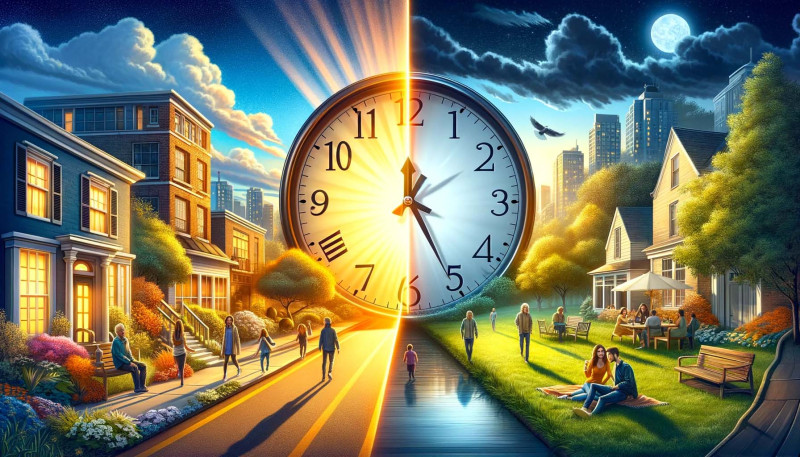
Halloween 2026: An Extra Hour of Spooky Fun Thanks to Daylight Saving Time
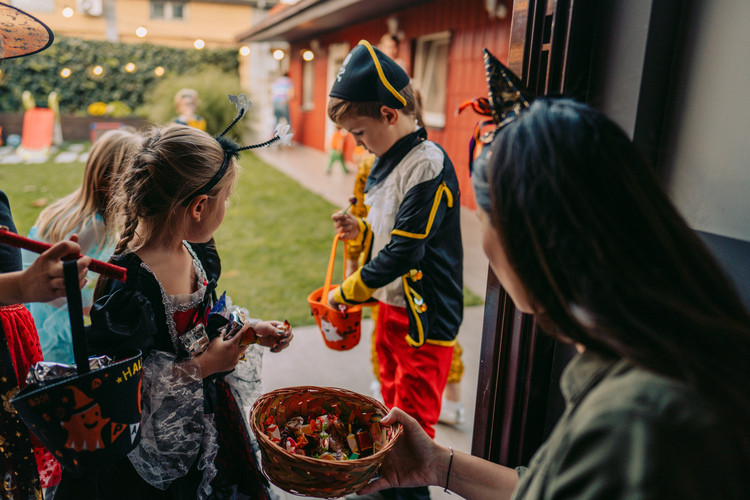
Here's the thing: Halloween and daylight saving time don't usually mix, but this year is an exception. In a rare occurrence, the day when clocks fall back coincides with the day after Halloween. That means an extra hour of spooky fun for late-night revelers.
When Do the Clocks Fall Back in 2026?
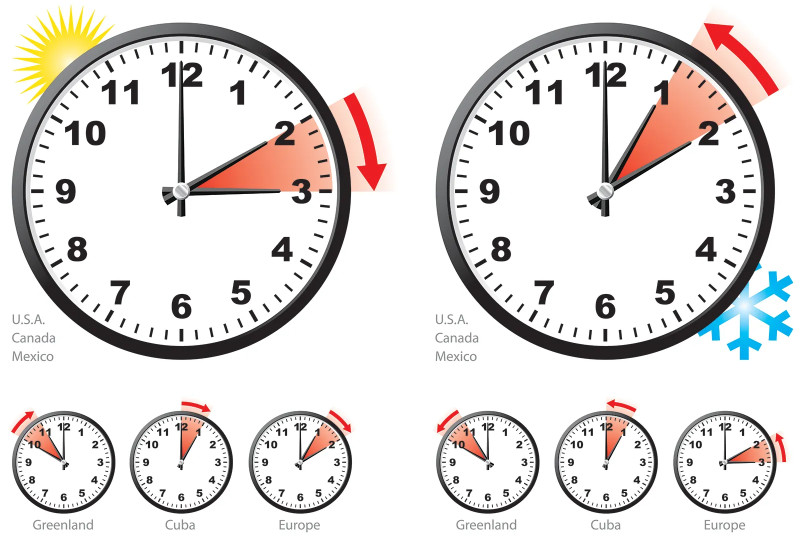
For 2026, the clocks will fall back on the first Sunday of November. Here's the scene: Daylight Saving Time (DST) ends on November 1, 2026, meaning the clocks will fall back by one hour at 2:00 a.m. This change gives Halloween enthusiasts an extra hour of festivities, making the night longer and more exciting. Look, it's not every year that this happens, so it's worth taking note.
The History and Significance of the Daylight Saving Time Change
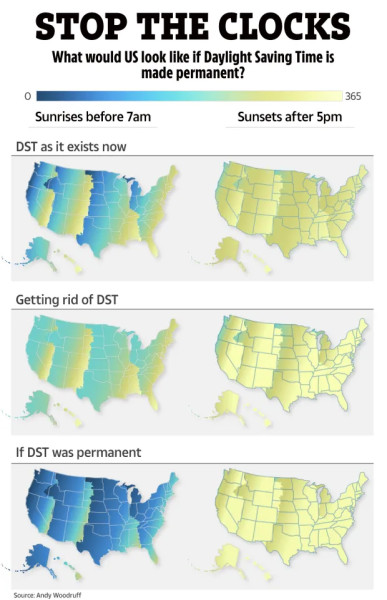
Daylight Saving Time was first introduced in the United States during World War I as a way to conserve energy. The practice involves moving the clocks forward by one hour in the spring and then back by one hour in the fall. The purpose is to make better use of daylight during the evenings. In recent times, the debate over DST has resurfaced, with some states pushing for permanent daylight saving time.
How the Change Affects Halloween in 2026
So, what does this mean for Halloween 2026? Since Halloween falls on a Saturday this year, the end of DST the very next morning allows for even more extended celebrations.
“This rare occurrence provides an extra hour for late-night Halloween celebrations, making it a unique and memorable experience for everyone involved.”Parents and kids can enjoy trick-or-treating and other activities for an extra hour, and it changes everything. Halloween doesn't face a school night, and the night itself gets longer, making it a perfect blend of fun and safety. And then — get this — this rare coincidence won’t happen again for another 11 years. Sound familiar? Like when you were a kid and thought Halloween was already magical, but this year it's even more so. The last time this happened was in 2005. Trick-or-treating can start later, and parties don’t have to worry about ending on a school night. Truly, it’s a boon for Halloween lovers.
As for the weather, some might worry about the change affecting Halloween plans. But the effect is minimal, as the extra hour is more about the timing than the weather. The change could be useful for families who prefer to avoid the evening rush to collect candy.
And here is another twist: this year, the full moon coincides with Halloween, adding an extra layer of eerie charm to the festivities. The last full moon on Halloween occurred in 2020, and the next one won’t be until 2039. This rare event, combined with the extra hour from the time change, makes Halloween 2026 an even more enchanting experience.
How does this story make you feel?
 Up next · WorldShock and Tragedy in Oberlin: Daniel Jones' Connection to Double Homicide