Ranked Choice Voting: Alaska's Landmark Decision Keeps it in Play
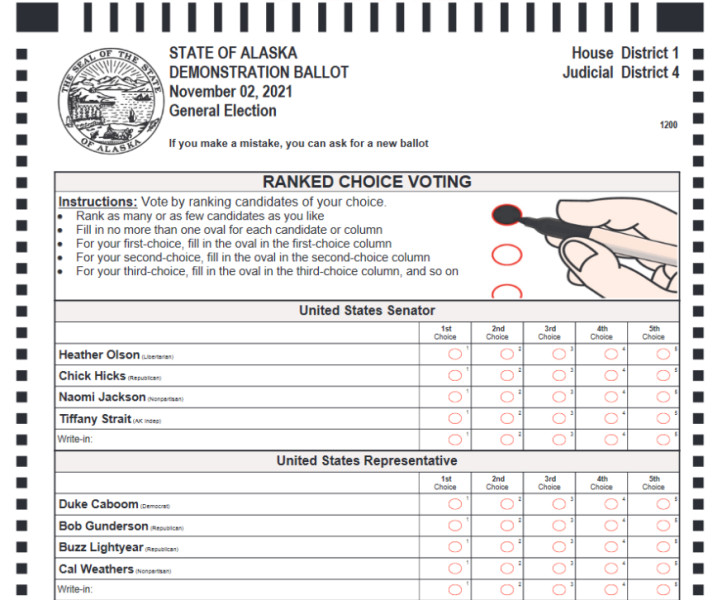
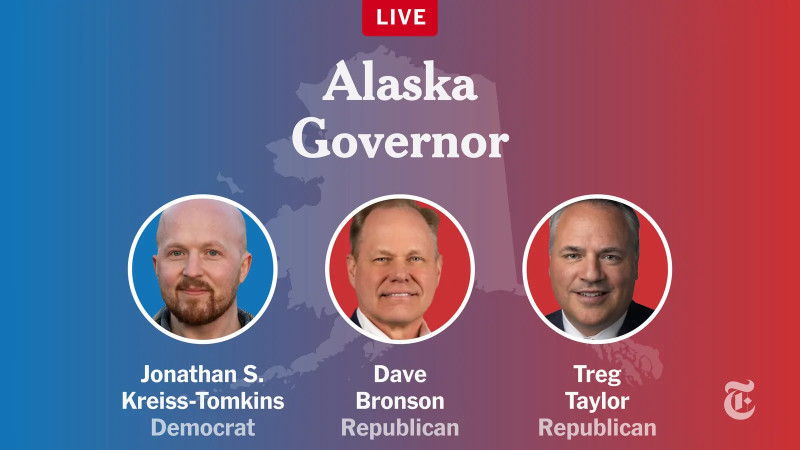
Ranked choice voting (RCV) has long been a source of debate and controversy in the United States, but recently, it has made significant strides, particularly in Alaska. This voting system allows voters to rank candidates in order of preference, ensuring that the winner has broad support rather than just a plurality of first-choice votes. It has recently received significant attention due to Alaska's recent election results, where ranked choice voting was the center of attention.
The Controversy: Alaska's Election Results Reaffirm Ranked Choice Voting
Ranked choice voting is a system allowing voters to rank candidates in order of preference. It has been embraced by some states as a means to provide a more representative election process, providing a better chance for a candidate to win with a majority vote. Recently, Alaska's voters reaffirmed their commitment to ranked choice voting, rejecting a ballot measure that sought to repeal the system.
The Numbers: A Close Call with Major Implications
The election results showed a very narrow margin of victory for the "No" vote on Ballot Measure 2, which aimed to eliminate ranked choice voting. With nearly 98% of precincts reporting, the "No" vote secured just under 51% of the total votes, marking a significant win for supporters of the voting system. This close call underscores the divisive nature of ranked choice voting, where proponents argue that it enhances voter representation and reduces the "spoiler effect," while opponents contend that it complicates the voting process and delays results.
The Future of Ranked Choice Voting: A Divisive but Growing Trend
Ranked choice voting continues to be a divisive topic, but its recent successes in Alaska and other states indicate a growing acceptance. The system has been implemented in various forms across the country, with Maine and Alaska being notable adopters. While the system has faced criticism for potentially complicating election processes and delaying results, proponents highlight its benefits, such as reducing the influence of "electability" and boosting voter turnout. The Alaska election results reaffirm that ranked choice voting is here to stay, at least for now. As the political landscape continues to evolve, it will be interesting to see how this voting method fares in future elections. One thing is certain, the debate will continue as the system has shown signs of reducing electability and boosting voter turnout.
Additional Applications: The Potential for Broader Adoption
Beyond Alaska, ranked choice voting has also gained traction in other states and municipalities. For instance, Maine has adopted ranked choice voting for statewide elections, and other states like Nevada and Colorado are considering similar changes. The system's ability to mitigate the "spoiler effect" and ensure that winners have majority support has made it an attractive option for those seeking to enhance the democratic process. Ranked choice voting has also been implemented in local elections in cities like San Francisco, Minneapolis, and others, demonstrating its versatility and potential for broader adoption.
"Ranked choice voting presents voters with a better opportunity to reflect their opinions and choose candidates who truly represent their preferences," says an expert in the field of electoral reform. This sentiment underscores the core appeal of RCV, which aims to ensure that the elected officials have the broadest support possible.
How does this story make you feel?
 Up next · PoliticsCalifornia's Mileage Tax Debate: A New Frontier in Road Funding?