Crude Oil Prices Surge Amid Tensions in Middle East
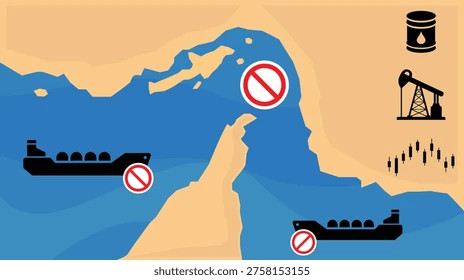
The bustling trading floor of a global energy exchange hums with heightened activity and whispered speculation. Traders, glued to their screens, watch as crude oil prices make unprecedented moves. Crude oil prices have surged in recent times due to escalating geopolitical tensions in the Middle East, a region pivotal to global oil supply chains. The latest developments have sent shockwaves through the energy market, with both WTI and Brent crude benchmark prices showing significant volatility.
Geopolitical Turmoil Drives Prices Higher
The recent escalation in the Middle East has been a critical factor in the surge of oil prices. Tensions between key oil-producing countries have led to uncertainty in the supply chain, causing investors to rush to secure contracts, thereby driving up the price of oil to its highest levels in months. The geopolitical tensions have also affected the crack spread, a crucial metric that indicates the profitability of oil refining operations. With the price difference between crude oil inputs and refined products widening, refineries are facing both opportunities and challenges.
Market Reactions and Analyst Insights
Investors and analysts are closely monitoring the situation, trying to gauge how long the current volatility will persist. The recent spike in prices has been met with a mix of concern and caution. "The current situation in the Middle East is a game-changer for the oil market," said an energy analyst from Oilprice.com. "It's not just about the immediate impact; it's also about the long-term implications for global energy security and the potential for a more volatile market in the future." "We have seen a 1.62% rise in crude oil prices in the last 24 hours, and this is just the beginning," stated a trader on the floor of the exchange. Given the ongoing tensions, the market is bracing for further fluctuations, with Brent crude prices reaching 96.04 USD/Bbl recently, and WTI prices hovering around 88.66 USD/Bbl. "What we're seeing now is a direct result of geopolitical uncertainty and the market's response to potential disruptions in supply," added another expert. "Investors are flocking to secure their positions, driving up the prices significantly."
WTI vs. Brent: Benchmark Variations
The different benchmarks of crude oil, WTI and Brent, have shown varying responses to the recent geopolitical tensions. While Brent, which is more sensitive to Middle East tensions, has seen a sharper increase, WTI prices have also risen, albeit at a slower pace. This disparity is largely due to the geographical proximity of Brent to the Middle East, which makes it more susceptible to supply chain disruptions in the region. The differences in the price movements of these benchmarks highlight the complexities of the global oil market and the varied impacts of geopolitical events on different regions. While Brent prices have surged, WTI prices are showing a more measured response, reflecting the diverse factors at play in the energy market.
"The current surge in crude oil prices is a wake-up call for the global energy market. It underscores the need for strategic planning and diversification of energy sources to mitigate the impact of geopolitical uncertainties."
As the situation in the Middle East continues to unfold, the energy market remains on high alert, with traders and analysts keeping a close eye on developments. The recent surge in oil prices is a clear indication of the market's sensitivity to geopolitical events and the urgent need for strategic planning to ensure stability in the global energy sector.
How does this story make you feel?
 Up next · BusinessDow Jones Futures Surge on Tech Stocks Bullish Signals