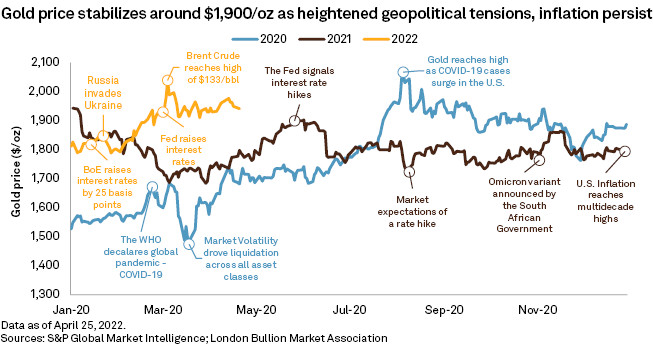
Crude Oil Prices Surge as Market Responds to Geopolitical Tensions
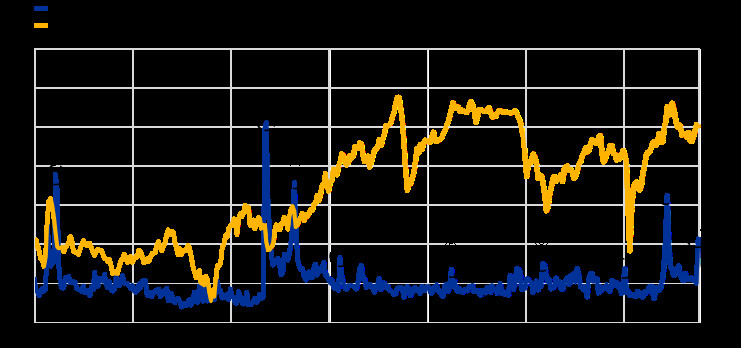
Crude oil prices have seen a dramatic spike in recent times, with both WTI and Brent crude benchmarks showing significant gains. The surge in prices is largely attributed to escalating geopolitical tensions in the Middle East, a region that is crucial for global oil supply. This has led to speculation about potential disruptions in oil production and supply chains, causing market volatility and anxiety among investors.
Impact on Global Oil Markets and Economic Implications
The recent surge in crude oil prices has had far-reaching effects on the global economy, with both producers and consumers feeling the impact. For oil-producing countries, the price increase represents a boon, potentially boosting revenues and economic growth. However, for consumers, particularly in countries heavily reliant on oil imports, the rise in prices translates to higher fuel costs, which can drive up inflation and strain household budgets.
In the United States, for example, the cost of gasoline has been on the rise, affecting the transportation sector and overall consumer spending. This trend is reflected in the recent performance of oil and gas stocks, which have seen a mixed response as investors weigh the potential benefits against the risks of further geopolitical instability.
Moreover, the price increase has sparked discussions about energy security and the need for diversification in energy sources. Many countries are reassessing their energy policies, focusing on renewable energy and reducing dependence on fossil fuels to mitigate the impact of such volatile market conditions.
Live Updates: Tracking Oil Prices and Market Signals
Real-time updates and live charts are essential for traders and investors to navigate the volatile oil market. Platforms such as Investing.com and OilPrice.net offer detailed data on WTI and Brent crude oil futures, providing insights into market trends and potential price movements.
Recently, the live Brent and WTI crude prices have shown significant fluctuations, with Brent crude reaching $97.31 per barrel, while WTI crude is currently trading at $89.88 per barrel. These prices reflect the current market sentiment, which is heavily influenced by geopolitical risks and supply concerns.
“The current market conditions are highly sensitive to any developments in the Middle East. Investors are closely monitoring the situation and adjusting their strategies accordingly,” said an expert from Investing.com.
Geopolitical Risks and Market Sentiment
In recent times, geopolitical risks have been a dominant factor driving oil prices. The Middle East, which holds a significant portion of the world's oil reserves, has been experiencing heightened tensions, impacting market sentiment and oil prices. For instance, recent conflicts and threats of disruptions in key oil-producing countries like Saudi Arabia and Iran have caused markets to react sharply.
Additionally, the ongoing conflict in the region has raised concerns about potential supply disruptions, which could lead to further price increases. Energy analysts are closely watching these developments, as any escalation could have a profound impact on global oil markets and the broader economy.
The recent surge in crude oil prices has also highlighted the need for countries to diversify their energy sources and reduce dependence on fossil fuels. Many countries are now accelerating their transition to renewable energy and exploring alternative energy sources to mitigate the risks associated with volatile oil prices.
With the current geopolitical landscape and market volatility, the next few months will be crucial for the oil market. Investors and analysts will be closely watching for any signs of stability or further escalation in the region, which could significantly impact the price of oil.
Oil prices have spiked to $97.31 per barrel for Brent crude and $89.88 per barrel for WTI crude.How does this story make you feel?
 Up next · BusinessThe latest KOSPI plunge looms as tech stocks wobble