Stock Market Faces AI Sell-Off: Unpacking the Latest Dow Futures and Nasdaq Futures Turmoil
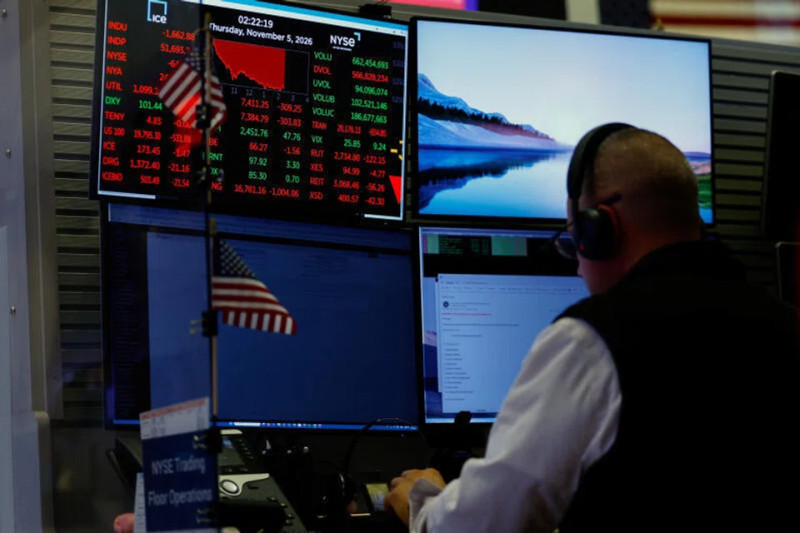
Investors brace for another tumultuous day in the markets as Dow futures and Nasdaq futures experience a significant sell-off. The tech-heavy Nasdaq lost more than 5.52% of its value. The S&P 500 fell nearly 4.4%, while the Dow dropped by 3.44%. This recent downturn is largely attributed to a massive $2.5 trillion sell-off, with key players like Tesla, SpaceX, and Anthropic under immense pressure.
Dow Futures and Nasdaq Futures Under Pressure
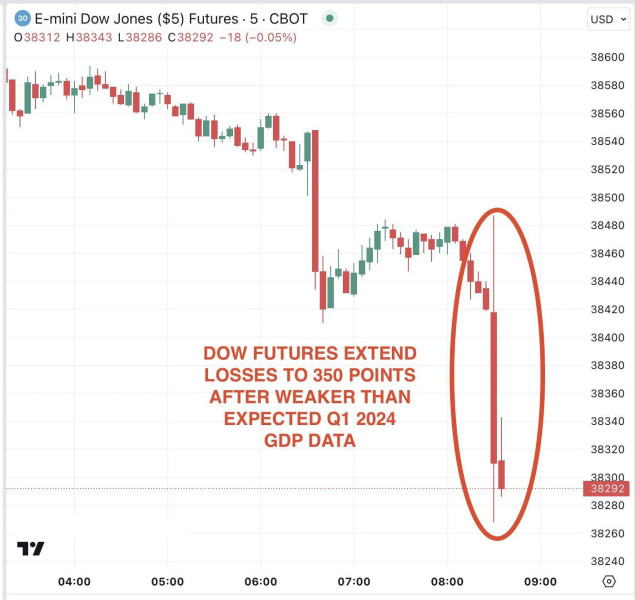
The market's current volatility has left investors on edge, with Dow Jones futures falling by 475 points, while the Nasdaq futures have shown a slight rebound, rising by 1.33%. This follows a day of high trading volumes, where the Nasdaq plunged by 5.52%, the S&P 500 by 4.36%, and the Dow by 3.44%.
The sell-off has been particularly harsh on tech stocks, with the Nasdaq, which is heavily weighted with tech giants, bearing the brunt of the losses. The tech sector has been under scrutiny recently, with concerns about overvaluation and regulatory pressures adding to the downtrend.
In contrast, the S&P 500 futures have managed to gain 0.26%, indicating a measure of stability in the broader market. This divergence highlights the sector-specific nature of the sell-off, with tech and semiconductor stocks feeling the heat.
The AI Sell-Off: Cause for Alarm?
It is essential to look at the broader context in which this downturn is happening. Recent news suggests that the tech sector, particularly AI-related stocks, has been under pressure. The $2.5 trillion sell-off is a stark reminder of the market's sensitivity to macroeconomic indicators and sector-specific news.
The sell-off is particularly concerning as it comes just ahead of the key US employment data release. This data is crucial for investors, as it provides insights into the overall health of the economy and can significantly influence market sentiment.
While some investors may see this as a sign of an impending crash, it is crucial to remember that market corrections are a natural part of the investment cycle. The current downturn, while severe, should be viewed as a correction rather than a full-blown crash. Let's not kid ourselves, the data is damning, but let's avoid jumping to conclusions.
“The market's reaction to the AI sell-off is a reminder that tech stocks are still highly sensitive to news and regulatory pressures. Investors should keep a close eye on the upcoming employment data, as it could provide a clearer picture of the market's direction,” says a market analyst.
For investors, this sell-off presents both challenges and opportunities. While it may be tempting to panic and sell, it is essential to remember that market volatility often creates buying opportunities. Investors with a long-term perspective and a diversified portfolio may find this downturn an opportunity to add to their positions.
In contrast, those relying on short-term gains may find the current market conditions challenging. The key is to remain calm and stick to a well-thought-out investment strategy. The current downturn is a test of resolve and patience, and those who can weather the storm may find themselves in a stronger position once the market stabilizes.
According to available reports, the market's behavior in recent times has been influenced by a variety of factors, including economic indicators, geopolitical tensions, and regulatory changes. The recent sell-off is a reflection of these broader trends, and it is essential to view it in this context. The market's sensitivity to news and economic data is a reminder of its interconnected nature, and investors must be prepared to adapt to changing conditions.
Looking ahead, investors will be closely watching the upcoming US employment data release. This data is expected to provide valuable insights into the state of the economy. If the data is positive, it could help stabilize the market and provide a much-needed boost to investor sentiment. Conversely, a negative report could exacerbate the current downturn, leading to further volatility.
But here's what nobody's asking: how are the semiconductor stocks trying to rebound? The Nasdaq's 1.33% rise in futures today is an indicator that the market is trying to recover. The Dow futures drop by 475 points today may seem like a red flag, but the S&P 500 futures gain of 0.26% and the Nasdaq's 1.33% rise suggest a measure of stability.
How does this story make you feel?
 Up next · BusinessThe Stock Market Hours Shockwave: Why Today's Open Time is Unprecedented