FDA Issues Warning: GLP-1 Drugs Linked to Rare Vision-Loss Condition
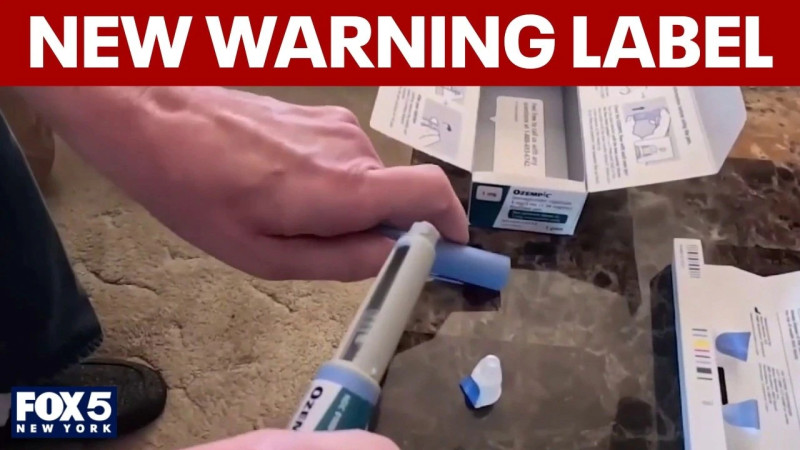
In a recent development, the Food and Drug Administration (FDA) has issued a new warning about GLP-1 drugs, highlighting a potential risk of a rare but serious eye condition that can lead to sudden and permanent vision loss. The alert comes as dozens of Americans file lawsuits against the manufacturers of these drugs, alleging that they were not adequately informed about this potential side effect.
Understanding the Warning: What is NAION?
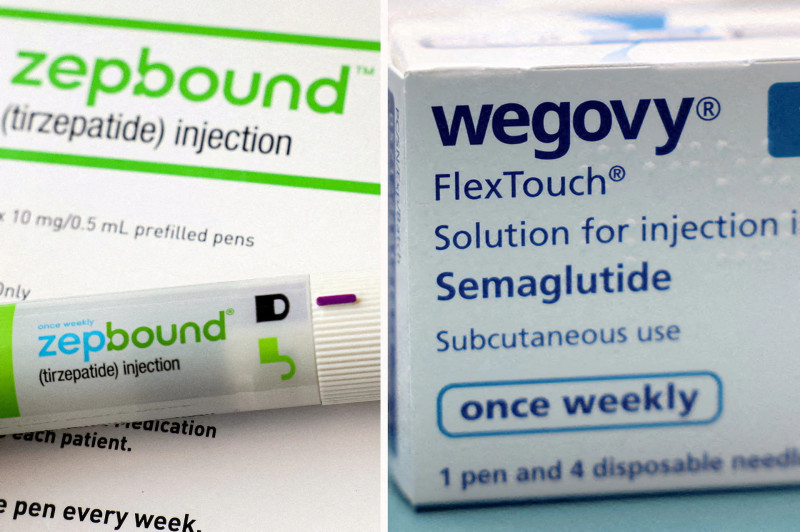
The condition at the center of this controversy is non-arteritic anterior ischemic optic neuropathy or NAION. NAION is a rare eye disorder that occurs when there is a lack of blood flow to the optic nerve, leading to sudden vision loss. The FDA has received reports of this condition among users of GLP-1 drugs, which are commonly prescribed for weight management and diabetes, such as Ozempic, Wegovy, and Zepbound.
The FDA has initiated safety labeling changes for the GLP-1 receptor agonists, mandating drug makers to update their product information to include this new warning. According to reports, the incidence of NAION appears to be low, but the condition can lead to permanent vision loss, making it a serious concern for patients and healthcare providers.
Patient Lawsuits and Regulatory Responses
In response to these developments, patients have taken legal action. Dozens of Americans have filed personal injury lawsuits against the manufacturers of these medications, citing a lack of adequate warning regarding the risk of NAION. The lawsuits allege that patients were not properly informed about the potential for sudden vision loss, leaving them vulnerable to this serious side effect.
These legal actions are part of a broader regulatory response to ensure patient safety. The FDA is working closely with drug manufacturers to update safety information and provide clearer warnings to healthcare providers and patients. These efforts aim to prevent future cases of NAION and ensure that patients are fully aware of the potential risks associated with GLP-1 drugs.
What GLP-1 Users Should Know
The FDA's warning underscores the importance of vigilance for patients using GLP-1 drugs. Here are some key points that GLP-1 users should be aware of:
The risk of NAION appears to be small, but the condition is serious and can lead to permanent vision loss. Patients should be on the lookout for any sudden changes in vision and report them to their healthcare provider immediately.
And then — get this — the FDA’s advisory is clear: patients should not stop taking their medication without first consulting a healthcare professional. Discontinuing medication without medical supervision can lead to other health complications, which is a significant consideration for those managing chronic conditions like diabetes and obesity.
If you’re experiencing sudden vision changes while taking GLP-1 drugs, don’t hesitate to seek immediate medical attention. Look, sound familiar? This is a stark reminder that even rare side effects can have substantial impacts. The FDA’s warning is a call to action for patients and healthcare providers to stay informed and vigilant.
“Patients should be aware of the potential risk of vision loss and report any sudden changes in vision to their healthcare provider immediately. It is crucial to continue taking the medication as prescribed and not to stop without consulting a healthcare professional.” - FDA Safety Communication
This warning underscores the importance of staying informed about the latest developments in medication safety. Patients should stay tuned for updates from the FDA and consult with their healthcare providers to ensure they are receiving the most current and accurate information about their medications. This isn’t just about staying safe; it’s about staying informed and empowered in managing your health.
How does this story make you feel?
 Up next · HealthFDA warns GLP‑1 drugs may cause rare vision loss