ULA's Vulcan Rocket Launch Disaster: 40 Amazon Satellites Lost
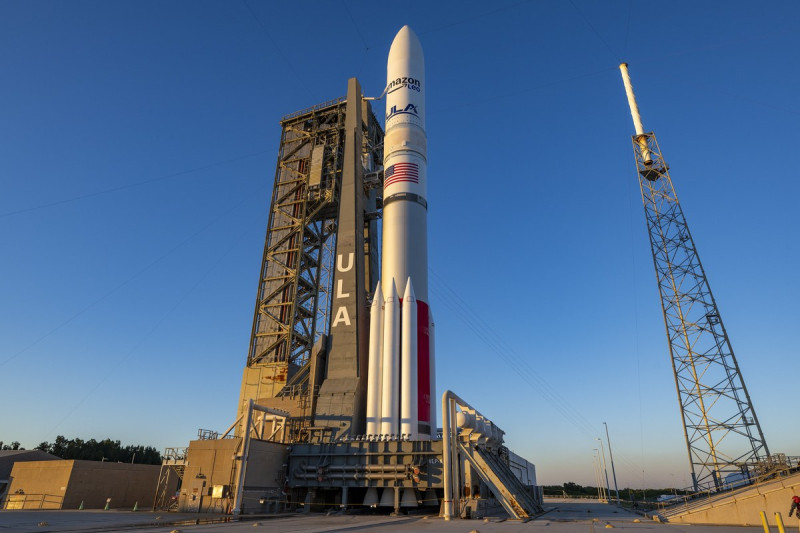
The skies of Florida were once again the stage for a dramatic and tragic turn of events. United Launch Alliance's (ULA) ambitious Vulcan rocket launch recently ended in a catastrophic failure, resulting in the loss of 40 Amazon Leo internet satellites. The malfunction occurred just 10 minutes into flight, marking a significant setback for both ULA and Amazon’s ambitious satellite internet initiatives.
An Unsuccessful Maiden Voyage for Vulcan
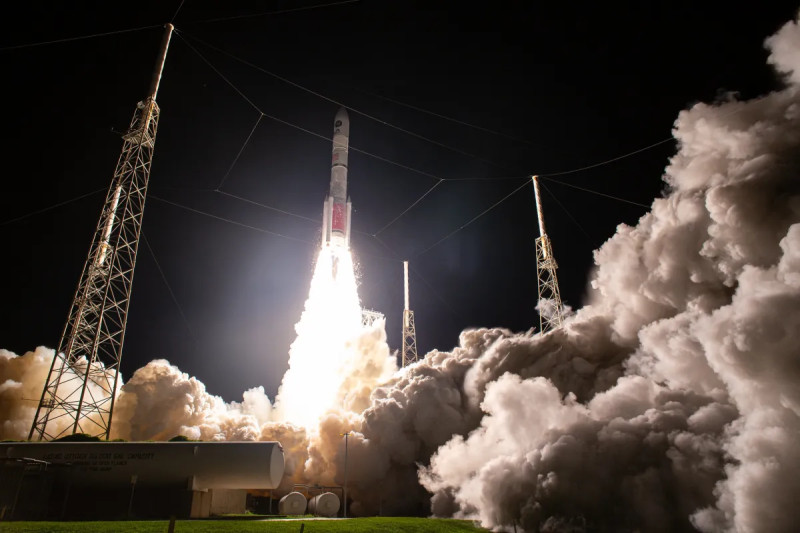
The Vulcan rocket was launched from Launch Complex 41 at the Cape Canaveral Space Force Station, carrying 40 Amazon Leo satellites. Designed as a next-generation heavy-lift launcher, the Vulcan was intended to replace ULA’s aging Atlas and Delta rocket families. However, this first mission for the Vulcan ended in disaster. The rocket failed to reach orbit, and the payload of 40 Amazon Leo satellites was lost, a devastating blow to Amazon's plans for its Leo internet constellation.
The Implications of the Failure
This failure not only disrupts Amazon’s satellite deployment schedule but also raises significant questions about the reliability and readiness of ULA's new rocket. The Vulcan Centaur was envisioned as a cornerstone of ULA’s future operations, aiming to launch nearly half of the first-generation Amazon Leo satellites. The loss of 40 satellites, part of a planned constellation of 3,232, is a substantial setback for Amazon’s global internet ambitions, leaving the company and the space industry grappling with the repercussions of this failure.
Amazon had invested heavily in ULA, purchasing 38 launches, with the Vulcan rocket playing a crucial role in deploying the Leo constellation. The failure of this mission will undoubtedly impact Amazon's deployment timeline, potentially delaying the rollout of its ambitious internet service.
The implications of this failure extend beyond Amazon. This major setback is a worrying development for the space industry, especially for those reliant on ULA's rockets. The incident will likely accelerate discussions about the future of space launches and the need for robust contingency plans in the face of such high-risk ventures. ULA's next steps will be scrutinized, and the company will need to address the root cause of the failure to regain trust and confidence.
What does this mean for the future of space launches? Will ULA bounce back from this setback, or will it face a prolonged period of uncertainty? One thing is certain: the stakes are high, and the challenges ahead are daunting. As the industry watches and waits, the outcome of ULA's investigation and response will shape the future of space exploration and commercial launches.
"This is a significant blow, but we are committed to understanding what went wrong and getting back on track. We will work tirelessly to ensure the success of future missions and continue to innovate in the space industry," a ULA spokesperson emphasized, underscoring the company's resolve to overcome this setback.
How does this story make you feel?
 Up next · TechThe Vulcan Rocket Debut and Amazon’s Leo Satellite Setback