Bahrain on Edge: Iran Tensions and Regional Security

As Bahrain woke to the wail of air-raid sirens on the morning of July 24, 2026, the country's tranquility was pierced by the escalating rhetoric and actions of Iran and the United States. The sirens, sounding for the second consecutive day, marked the 13th night of U.S. airstrikes on Iranian targets, a conflict that has sent shockwaves through the Gulf region. In the fluorescent glare of the briefing room, military officials huddled over maps, the hum of phones buzzing in pockets as they coordinated a response to the mounting tensions.
The Latest Front in the Gulf Security Escalation
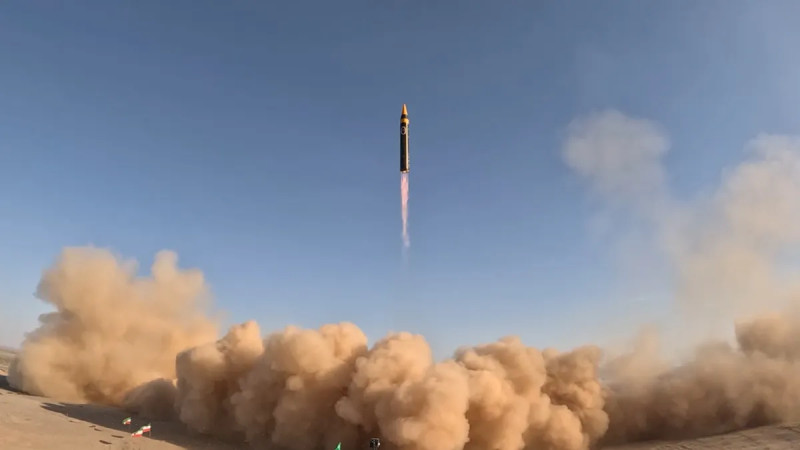
In a dramatic turn of events, Iran's Islamic Revolutionary Guard Corps (IRGC) announced fresh drone attacks on U.S. facilities and assets in Bahrain, Jordan, and Kuwait. The IRGC warned civilians to stay 500 meters away from locations believed to host American troops, a chilling reminder of the potential civilian impact of this conflict. The U.S. has responded with a steady barrage of airstrikes, aiming to neutralize Iranian capabilities and deter further aggression.
The latest developments have intensified the already fragile security situation in the region, with Bahrain, a small but strategically significant nation, finding itself at the epicenter of the turmoil. The Bahrain News Agency (BNA), the country's principal source of national news, has been providing objective and honest reporting, keeping the public informed as the crisis unfolds.
Regional Reaction and Local Impact
The escalating conflict has sparked a mixture of concern and unity among Gulf nations. Bahrain and its neighbors, including Kuwait, have been closely monitoring the situation, with local media outlets like Gulf News and Gulf Digital News offering in-depth coverage of the political and societal implications.
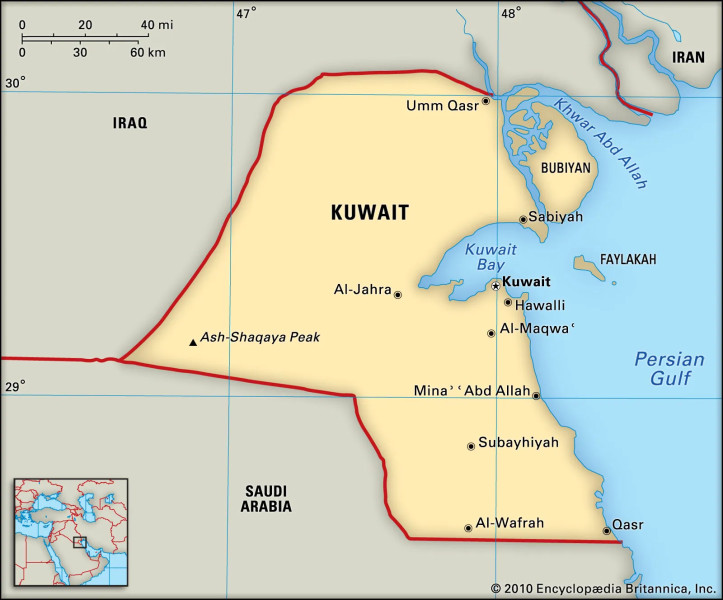
In Kuwait, the situation is particularly tense, as the country has a significant U.S. military presence. The Kuwaiti government has been working closely with the U.S. to ensure the safety of its citizens and to mitigate any potential fallout from the ongoing conflict. The National, a leading regional news source, has been providing detailed updates on the situation, highlighting the resilience of the Gulf nations in the face of adversity.
Bahrain's Strategic Importance and Future Outlook
Bahrain's strategic location and strong ties with the United States make it a critical player in the geopolitics of the Gulf. The island nation, home to the U.S. Navy's Fifth Fleet, has long been a focal point for regional security. As the conflict continues, the country's leadership is facing a delicate balance between maintaining its sovereignty and aligning with its allies. For many in the region, the question of what happens next is on everyone's mind.
In the midst of this turmoil, Bahrain's resilience shines through. The country's ability to navigate complex geopolitical challenges is a testament to its long history and the strength of its people. The latest developments are not just a matter of regional security but a testing ground for the future of the Gulf nations.
In the days ahead, as the world watches and waits, the fate of Bahrain and the broader Gulf region hangs in the balance — a stark reminder of the delicate tapestry of alliances, tensions, and the ever-present threat of conflict that defines the modern Middle East.
The sirens may have faded, but the echoes of the escalating conflict linger, a poignant reminder of the uncertainty that lies ahead for Bahrain and the Gulf region.
— The air-raid sirens blare again, this time in the distance, a distant echo of the conflict that now stretches beyond Bahrain's shores, reaching deep into the heart of the Gulf.
How does this story make you feel?
 Up next · WorldHouthi Missile Strikes on Saudi Red Sea Oil Sites Spur Military Response