Iran's Alleged Dirty Bomb Plot in Washington: A Threat to National Security?
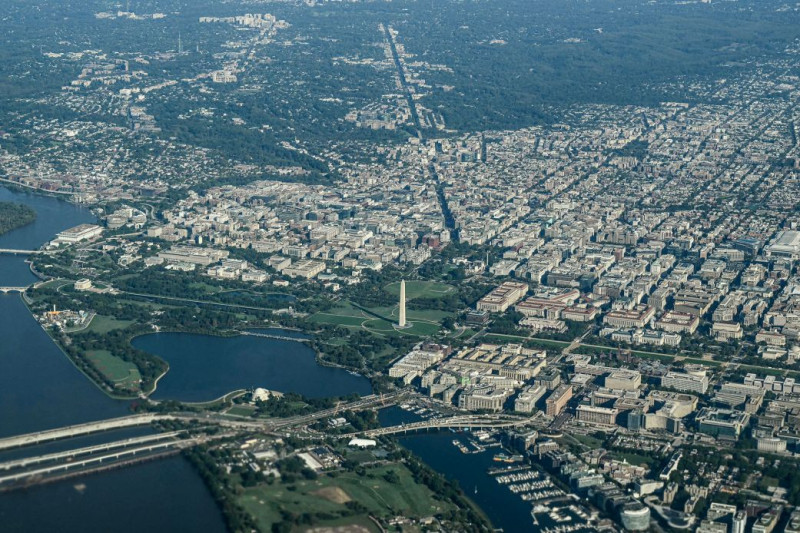
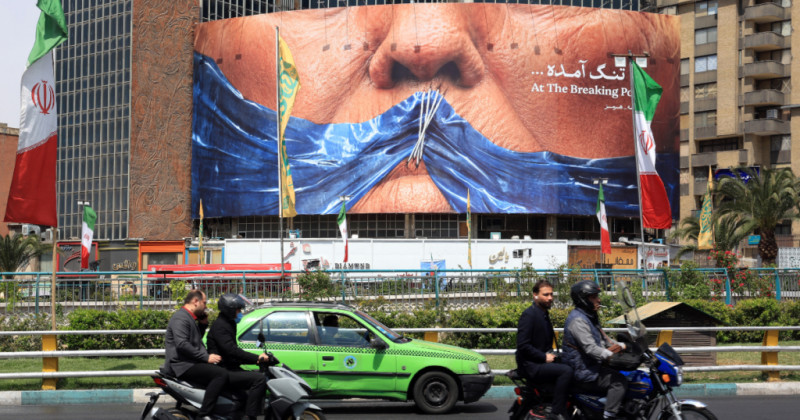
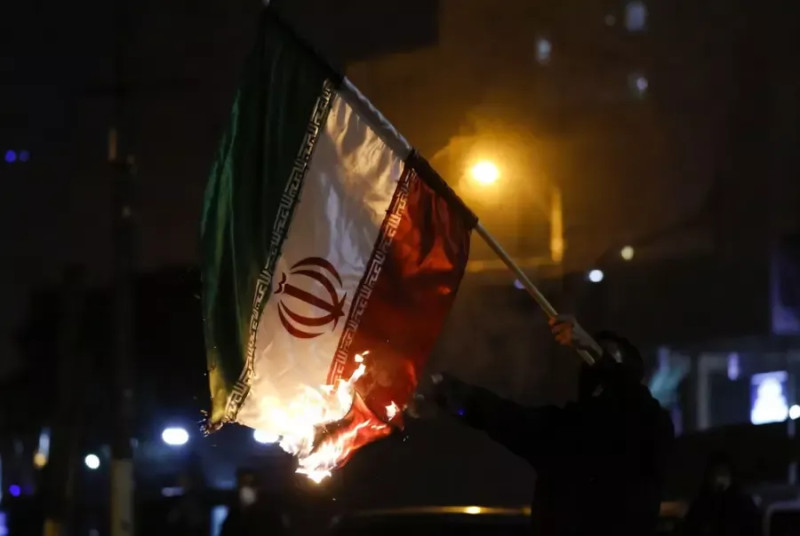
In a worrying turn of events, Iran is reportedly planning to target senior Trump administration officials with a dirty bomb in Washington, DC. This revelation, according to recent intelligence reports, has sparked intense debate and concern within U.S. security circles. The potential use of such a weapon, which combines conventional explosives with radioactive material, raises significant alarms about the escalating tensions and the capability of Iran to carry out such an attack.
The Emerging Threat: Iran's Alleged Plans
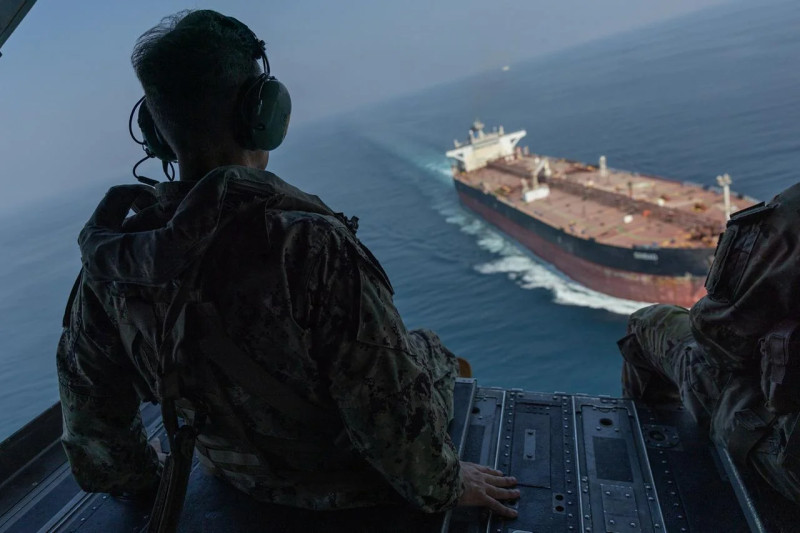
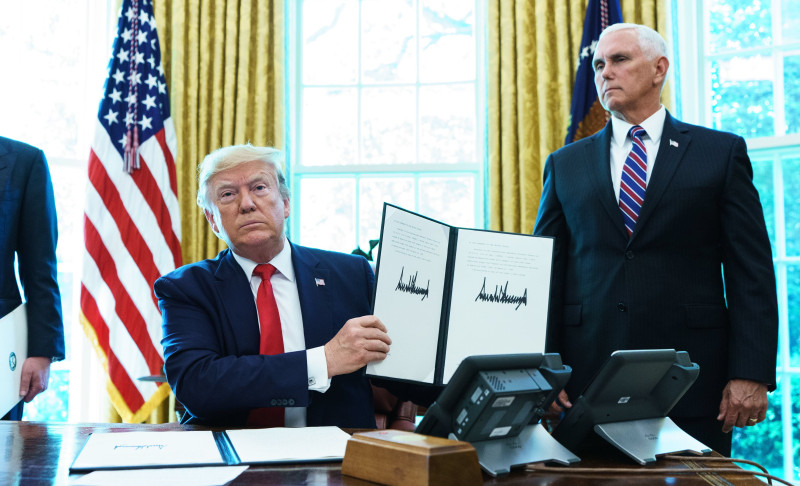
The intelligence community has been monitoring Iran's activities closely. US intelligence suggests that Iran is developing plans to detonate a dirty bomb or a chemical weapon in Washington, DC, with the aim of targeting senior Trump administration officials. This information, sourced from seven US officials familiar with new intelligence, indicates a potential shift in Iran's strategic approach towards more aggressive and destabilizing tactics. The alleged plan highlights not only the technical capability of Iran but also the political determination to escalate tensions in a manner that could have far-reaching consequences.
Assessing the Credibility of the Threat
The credibility of this threat has been a subject of heated debate among U.S. officials. While some intelligence sources are confident in the allegations, others remain skeptical about Iran's actual capability and intent to carry out such an attack. The White House has maintained its stance that there is no credible threat, despite the intelligence reports indicating otherwise. This discrepancy underscores the complexity of assessing and responding to potential threats in an era of geopolitical uncertainty. There is a clear need for continuous evaluation and preparedness, even as the intelligence community grapples with conflicting reports.
Let's not kid ourselves, the potential use of a dirty bomb in Washington, DC, would be a catastrophic event. Such a weapon, which disperses radioactive material through an explosive device, could cause widespread panic, contamination, and long-term health risks. The psychological impact alone would be immense, undermining public trust and national security.
Iran's Motivations and Capabilities
The motivations behind Iran's alleged plans are multifaceted. Historically, Iran has been involved in various forms of asymmetric warfare, including cyber-attacks and proxy conflicts. The prospect of using a dirty bomb suggests a more direct and destructive approach, possibly aimed at deterring U.S. actions in the Middle East or retaliating against perceived threats. However, the technical challenges and the potential backlash from the international community cannot be overlooked. Iran’s decision to pursue such a dangerous path would likely be driven by a combination of desperation and a calculated risk assessment.
Despite the alarming reports, it is important to consider the counter-argument that Iran's capabilities might be overstated. Critics argue that while Iran has the technical know-how to develop a dirty bomb, executing such an attack in a densely populated area like Washington, DC, would require significant operational planning and resources, which Iran might not possess. This skepticism highlights the need for a balanced approach in evaluating the threat and developing appropriate countermeasures.
No matter the outcome, the ongoing debate about Iran's alleged plans underscores the urgency of strengthening national security measures and bolstering intelligence capabilities. As the situation evolves, it is crucial for the U.S. to remain vigilant and prepared for any potential threats, ensuring the safety and security of its citizens and officials.
This could be a pivotal moment for the intelligence community to demonstrate its readiness and resilience in the face of emerging threats. The question remains: is the U.S. prepared to face the consequences of a dirty bomb attack in its own backyard?
How does this story make you feel?
 Up next · PoliticsDelta CEO Ed Bastian's Recent Remarks Spark Debate Amid Nationwide Airline Disruptions